

How to Get to Citi Field for a Concert
The 7 train, LIRR, rideshare, and driving — compared honestly so you can choose the right plan for your concert night and the trip home.
Getting to Citi Field for a concert is more manageable than many first-timers expect — but the smartest plan is not the same for everyone. The venue is in Flushing, Queens, served by one subway line and one LIRR branch, both of which stop directly at the stadium. That is actually good infrastructure for a stadium this far from Midtown Manhattan, but it means your transport decision matters more than it would at a venue with six options in every direction.
The 7 train is the most common answer, and often the right one. But in 2026, with ongoing express service disruptions on the Flushing Line, the LIRR has moved from “useful alternative” to “arguably the smarter default” for anyone coming from Penn Station or Grand Central. Rideshare works well getting there and can become a mess getting home. Driving is viable if you plan it correctly, and actively frustrating if you don’t. This guide walks through the real tradeoffs so you can choose the plan that fits your night.
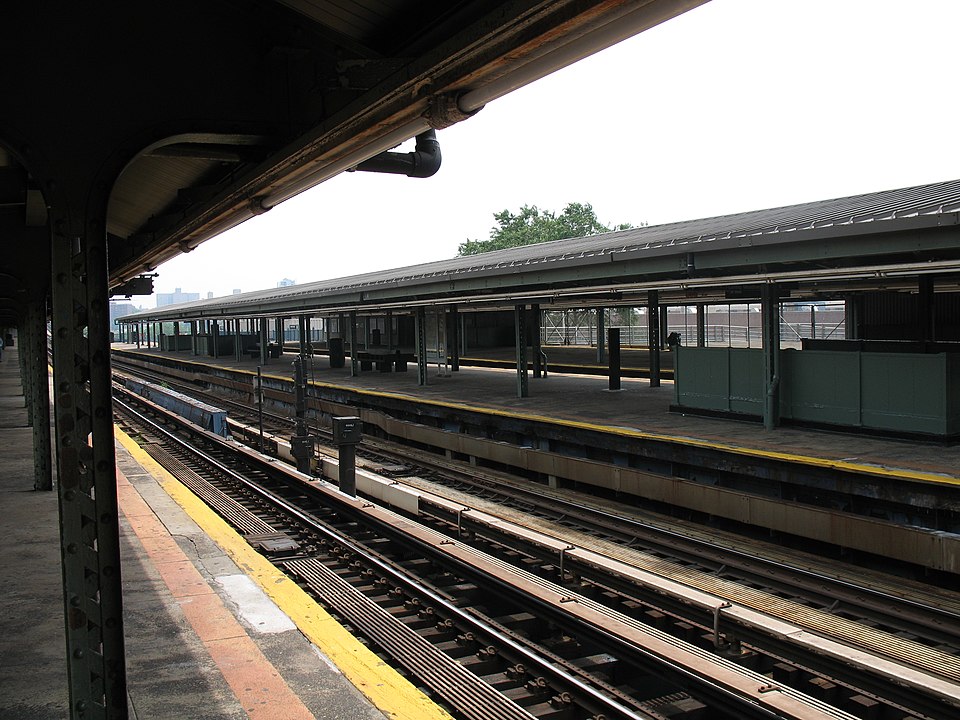
Willets Point beside Citi Field in Queens, the main transit approach area for concerts and events.
Due to ongoing construction at the 61st Street–Woodside station, the 7 train’s express and diamond service — including the postgame “Mets Super Express” that typically shortens the post-show return — may not operate between Queensboro Plaza and 74th Street–Broadway during the 2026 season. The local 7 still runs to Mets–Willets Point, but without express service, the trip from Midtown takes longer than usual. Check mta.info for current service before your concert. The LIRR remains unaffected and is 19 minutes from Penn Station and Grand Central Madison — worth factoring into your plan this season.
Why Citi Field Transportation Needs a Plan
Most concert venues in Manhattan — Madison Square Garden, Radio City, the Beacon — sit at the intersection of multiple subway lines with dozens of hotels and thousands of restaurant tables within walking distance. Citi Field is not that. It is in Flushing Meadows, at the end of the 7 line’s Queens run, surrounded by parkland and parking lots rather than a walkable neighborhood cluster. That setup has real advantages for a summer stadium show — space, size, a different kind of atmosphere — but it also means your transportation choices are more constrained, and the consequences of a bad decision are harder to escape once the show ends.
The venue sits directly between the 7 train and the LIRR, both of which stop at Mets–Willets Point station within steps of the entrance. This is genuinely convenient for arriving. The complexity is on the way out: when 40,000 people leave through the same transit hub at the same time, every option — subway, LIRR, rideshare, parking lot — experiences real friction. Knowing what that friction looks like for each option, and which one your hotel base and group size can tolerate best, is the actual planning problem this page solves.
Getting to the show is almost always easier than getting home. Before you decide how you’re arriving, think about how you are leaving: what time does the show end, where are you sleeping, how much post-show friction can your group absorb, and is paying a bit more for a cleaner exit worth it to you? The answers shape the right transport choice as much as where you are coming from.
The Main Ways to Get to Citi Field
Runs directly to Mets–Willets Point from Hudson Yards, Times Square, Grand Central, and across Queens. Cheapest option, no transfers required from most Manhattan starting points. Local service runs the full route all day. Note that express/diamond service is disrupted in 2026 — rides from Midtown take approximately 45 minutes on local trains. Still the right call for most visitors, especially those staying in Queens or heading back to Queens-based hotels after the show.
Runs directly to Mets–Willets Point from Penn Station and Grand Central Madison in 19 minutes — significantly faster than the local 7 this season. Costs more than the subway, requires a LIRR ticket, and Long Island visitors can ride in directly without any transfers. With express subway service suspended in 2026, the LIRR time advantage is more compelling than in most years. Best option for anyone coming from Midtown or Long Island.
Pre-show drop-off runs along Seaver Way and Roosevelt Avenue near the main entrances. Generally predictable arriving, especially from LaGuardia or nearby Queens hotels. Post-show pickup is a different situation: post-concert surge pricing, driver availability issues, and a designated pickup area that fills quickly make rideshare less reliable for the return than it is for arrival. Best used strategically — good in, plan B for out.
Parking is available on-site and in the surrounding lots, with advance purchase recommended for concert nights. The approach is manageable; the exit is not — post-show parking lot egress at a major concert can mean 30–60 minutes sitting before you move significantly. Best for groups arriving from Long Island or New Jersey where transit connections would require multiple transfers, or for visitors with mobility needs. Full details on the Citi Field parking guide.
The 7 Train — What to Know for Concerts
The 7 train is the most direct transit option to Citi Field and the one most visitors default to for good reason: it runs 24 hours, stops directly at Mets–Willets Point, and requires no transfer from Times Square, Grand Central, or anywhere along the Flushing Line in Queens. For anyone staying in Long Island City, Astoria, or Flushing itself, the 7 is essentially a non-decision — it is simply the obvious way in and out.
From Midtown Manhattan on local service, the ride runs approximately 45 minutes from Times Square to Mets–Willets Point. That is longer than it used to be: in normal years, diamond/express service shortens the Queens portion of the run considerably. In 2026, that express service is suspended due to structural work at the 61st Street–Woodside station, which means local service is the only option for the foreseeable concert season. If you are coming from Midtown and your time is flexible, the 45-minute ride is a non-issue. If you are trying to arrive close to showtime and skipping dinner near the venue, budget the full ride.
Key connections to the 7
Riders on other lines can transfer to the 7 at several Queens stations: at Queensboro Plaza from the N and W trains, at 74th Street–Broadway/Jackson Heights from the E, F, M, and R trains, and at Court Square from the G train. From Brooklyn, the standard approach is E, F, or N/W into Queens, then a transfer to the 7. None of these connections are complicated, but they add time and a platform change to the journey — worth knowing if you are planning a tight pre-show window.
Platform accessibility note
Mets–Willets Point station has limited accessibility outside of event hours. During concerts and games, the northbound platform on the Flushing-bound side is accessible via a ramp. The southbound platform for Manhattan-bound trains is not accessible. For accessible service, the official guidance is to use the subway from Grand Central to 74th Street–Broadway, which is accessible, and proceed from there. Verify current access conditions with the MTA before your visit if this is a consideration.
The LIRR — The Underused Upgrade
The LIRR Port Washington Branch runs directly to Mets–Willets Point station, adjacent to Citi Field, in 19 minutes from both Penn Station and Grand Central Madison. That is not 19 minutes of walking and transferring — that is 19 minutes on the train from departure to the stadium platform. For anyone coming from Midtown Manhattan or the Penn Station corridor, the LIRR is genuinely the faster option this season, and it has always been a meaningful quality-of-life upgrade over the subway for those who find a $5–8 per-person LIRR fare a reasonable trade for a shorter, more comfortable ride.
Long Island visitors have the clearest case for the LIRR: the Port Washington Branch serves stations from Great Neck (17 minutes) and Port Washington (27 minutes) directly to Mets–Willets Point, which means the entire trip is one train with no transfers. New Jersey visitors can take NJ Transit to Penn Station and pick up the LIRR from there — two stops from Penn to Mets–Willets Point. For anyone whose trip originates outside of New York City, the LIRR often produces a faster and less stressful overall journey than any subway-based alternative.
What makes the LIRR the better call in 2026
In a normal season, the LIRR and the express 7 train trade places as the faster option depending on your starting point. In 2026, with 7 train express service suspended, the LIRR’s 19-minute ride from Midtown is significantly faster than the 45-minute local subway ride. For visitors coming from the Penn Station or Grand Central area, this difference is material enough to change the recommendation. The extra cost of the LIRR is more justified this season than it typically would be.
With 7 train express service suspended in 2026, the LIRR covers the Midtown-to-Citi Field trip in 19 minutes versus roughly 45 on the local subway. For a couple or small group, the extra few dollars per person is one of the better value trades of the night — you arrive faster, the ride is calmer, and the LIRR tends to run additional service after concerts so the return trip is also more manageable than the post-show local subway. Always check the current Port Washington Branch schedule at mta.info before your concert.
The Mets–Willets Point LIRR station is not accessible for passengers with mobility needs. For an accessible trip, the MTA advises taking the subway from Grand Central to 74th Street–Broadway and proceeding from there. Verify current arrangements directly with the MTA before planning around the LIRR if this applies to anyone in your group.
Driving to Citi Field — When It Makes Sense
Driving to Citi Field is a reasonable choice for visitors coming from Long Island or New Jersey who would otherwise face multiple transit connections, for groups who want to tailor gate or for anyone who has accessibility needs that make the transit options less workable. The approach by car is straightforward — Northern Boulevard and Roosevelt Avenue are the main corridors from the north and west, and the Grand Central Parkway provides access from the east. On-site and nearby parking exists, with advance purchase recommended for concert nights.
The honest caveat is the exit. Post-concert parking lot egress at a major Citi Field show is not quick. When 40,000 people leave at once and the surrounding road network has to absorb that load, it is common to wait 45 minutes to an hour in a parking lot before traffic clears enough to move meaningfully. If you are driving and care about a timely departure, leaving 10–15 minutes before the final song — which means missing the encore — is the realistic version of “getting out before the rush.” Most people don’t do that. Most people sit in the lot for a while. Know which type you are before you decide to drive.
For full details on parking lots, advance purchase, pricing, and the best spots for post-show exit strategy, see the Citi Field parking guide.
How Your Hotel Base Changes the Smartest Option
Staying in Flushing
The 7 train makes Flushing-based stays the simplest possible concert logistics — one stop to Mets–Willets Point, roughly five minutes. For visitors at The Parc Hotel or other Flushing-adjacent properties, the show is a short transit hop each way with no real planning required. After the show, you exit toward Flushing and are back in the neighborhood in minutes while the larger crowd continues west toward Manhattan. This is the main practical advantage of a Flushing hotel for concert visits.
Staying in Long Island City
Long Island City sits on the 7 line at Queensboro Plaza and Court Square — approximately 20 minutes from Mets–Willets Point. That is a straightforward subway ride with no transfers, and after the show the super express (when running) or local service back west drops you at a calmer exit point than many other options. LIC also has enough restaurants and bars that spending 30–45 minutes after the show before heading back is a natural strategy rather than just a crowd-avoidance tactic. The LIRR is not a useful option from LIC for this trip — the 7 handles it cleanly.
Staying near Penn Station or Grand Central (Midtown)
In 2026, the LIRR is the clearest recommendation for Midtown-based visitors. The 19-minute Port Washington Branch ride from Penn Station or Grand Central Madison is significantly faster than the 45-minute local 7 train, and the LIRR platform at Mets–Willets Point is right there alongside the subway. The extra cost — typically $5–8 per person each way — is minimal relative to the time and comfort difference this season. Check the Port Washington Branch schedule for the evening of your concert before finalizing plans.
Coming from Long Island
The LIRR Port Washington Branch is the clear answer. Great Neck to Mets–Willets Point takes approximately 17 minutes. Port Washington takes about 27 minutes. Other Long Island branches can connect at Woodside — five minutes from the stadium on the Port Washington line. No subway transfers, no parking decisions, direct to the gate. For Long Island visitors, the LIRR is simply the right way to do a Citi Field concert.
Coming from Brooklyn
Brooklyn has no direct line to Citi Field, which makes it the most transfer-heavy starting point of any NYC borough. The standard approach is to take the N, W, E, or F train into Queens and transfer to the 7 at Queensboro Plaza or 74th Street–Broadway. Plan for 45–60 minutes depending on your starting neighborhood in Brooklyn. Some Brooklyn visitors find that rideshare for the inbound leg avoids the transfer entirely at a cost that feels worth it for a special concert night — then use the subway for the return when surge pricing is a factor.
Flying into LaGuardia day-of
LaGuardia is the closest airport to Citi Field — roughly five miles. A rideshare or taxi from the terminal to Citi Field takes 10–20 minutes in normal traffic, making it the most practical day-of-show arrival for visitors flying in. Transit from LaGuardia involves a bus to a 7 train transfer, which adds complexity when you are carrying luggage and trying to get to a show. For this specific use case, rideshare from LGA straight to the stadium is the right call.
Post-Show Exit Strategy — The Part That Matters Most
The post-show exit at a major Citi Field concert is predictable in structure even if the timing varies: everyone leaves within the same 30-minute window, all options fill simultaneously, and the first 20 minutes after the last song are the worst time to attempt any of them. The visitors who have the best concert night are often the ones who planned their exit before they arrived, not after the house lights came up.
Subway — the right move, but time it correctly
The 7 train platform at Mets–Willets Point fills quickly after large events. In 2026, without express service to clear crowds westbound more efficiently, the local trains are bearing more of the post-show load. The trains do run frequently and additional service is provided after major events — so the wait is usually 10–15 minutes rather than an hour. But those 10–15 minutes are spent on a crowded platform, and the ride back on local service is the full journey. Waiting 20–30 minutes after the show ends — long enough for the initial rush to partially dissipate — typically produces a meaningfully better platform experience.
LIRR — often calmer after the show
The LIRR post-show experience tends to be less crowded than the 7 train platform, partly because fewer people think to use it and partly because the LIRR service pattern spreads departures more than the subway does. If you arrived on the LIRR, the return trip is often calmer. The LIRR does run additional service after large events — verify the post-concert schedule at mta.info before your show so you know when trains are running and you are not rushing for the last departure.
Rideshare — wait, then request
Requesting a rideshare the moment the show ends guarantees you the worst possible combination: maximum surge pricing and maximum wait time. The better move is to head to the post-show pickup area in the Stadium View East parking lot (exit via the Left Field Gate) and wait 30–45 minutes before opening your app. Surge pricing usually drops meaningfully after the initial post-show spike, and driver availability improves as the crowd disperses. This strategy requires patience but saves real money and aggravation.
Driving — this is when the decision bites
If you drove, accept that parking lot exit is part of the concert experience. Most visitors are out within an hour, but that hour can feel long. Having a podcast queued, a passenger who is good company, and no hard deadline the next morning makes it manageable. If you have any of those pressures, driving was probably the wrong choice for this particular night.
Common Transportation Mistakes for Citi Field Concerts
Not checking current 7 train service status before the show
The 7 train has had service modifications in and around the Woodside/61st Street area for multiple seasons, and the situation can change. What you read in a guide three months ago may not reflect current service. Always check mta.info on or near the day of your concert — not just for scheduled work, but for any additional disruptions that day.
Assuming the LIRR is too expensive or complicated to bother with
Visitors who have never used the LIRR often assume it is a commuter rail system that does not apply to them. For a Citi Field concert, that thinking leaves the fastest and often most comfortable option on the table. Buying a LIRR ticket through the MTA TrainTime app takes 90 seconds, the Port Washington Branch connects to Penn Station and Grand Central Madison directly, and the 19-minute ride lands you at the stadium with no connections required. It is worth considering seriously, especially in 2026 when 7 train express service is down.
Planning to rideshare home without thinking about the surge
Post-show rideshare surge at Citi Field is not a might-happen scenario — it is a predictable, reliable feature of major concert nights. Planning to just “call an Uber after” without a surge strategy is how groups end up paying three times what the ride should cost and waiting 45 minutes anyway. Build in a post-show wait, have a backup plan, or commit to the subway from the beginning.
Arriving with no transit buffer before the show
Local 7 train service runs frequently, but delays do happen. Pre-show rideshare can hit traffic on Roosevelt Avenue. Parking lots can back up. Whatever option you choose, give yourself at least 30–45 minutes of buffer between when you expect to arrive at the station and when the show starts. The last thing you want at a major concert is a platform delay that pushes your arrival to after the opening act.
Driving when your group is four people coming from Midtown
Four people taking the LIRR from Penn Station or Grand Central costs less than $40 total for the round trip and takes 19 minutes each way. Four people driving to Citi Field for a concert means parking fees, post-show lot egress, and a driver who may not drink. The math rarely favors driving for same-day trips from Manhattan, whatever the appeal of the control and flexibility it seems to offer.
Frequently Asked Questions
It depends on where you are coming from. From Midtown Manhattan, the LIRR Port Washington Branch is the fastest option in 2026 — 19 minutes from Penn Station or Grand Central Madison to Mets–Willets Point. The 7 train is the best default for visitors in Queens or for anyone comfortable with the longer local ride. From Long Island, the LIRR is the clear choice. From LaGuardia Airport, rideshare or taxi direct to the venue is the most practical option. The common thread: transit is almost always the right call over driving for a major concert night.
From Times Square on local service: approximately 45 minutes. From Long Island City (Queensboro Plaza or Court Square): approximately 20 minutes. From Flushing–Main Street: approximately 5 minutes. Note that in 2026, 7 train express/diamond service between Queensboro Plaza and 74th Street–Broadway is suspended due to construction at the 61st Street–Woodside station. All rides are running on local service, which adds time compared to previous seasons. Check mta.info before your concert for current service conditions.
Take any Port Washington Branch train from Penn Station or Grand Central Madison — the second stop is Mets–Willets Point, directly adjacent to Citi Field. The ride is approximately 19 minutes from either Manhattan terminal. Buy your ticket in advance through the MTA TrainTime app or at the station. Long Island visitors on other branches can change trains at Woodside, five minutes from the stadium on the Port Washington line. The LIRR runs additional service after large events — check the schedule for your specific concert date at mta.info.
The official post-show rideshare pickup location is the Stadium View East parking lot underneath the elevated highway, north of the Shea Road and Boat Basin Place intersection. Exit via the Left Field Gate and follow directions in your app. Pre-show drop-off can be made along Seaver Way or Roosevelt Avenue near the main entrances. Expect surge pricing immediately after the show — waiting 30–45 minutes before requesting a ride usually produces a significantly better fare and shorter wait.
Only in specific situations: if you are coming from Long Island or New Jersey with a group where transit connections would require multiple transfers, if parking costs are manageable and post-show timing is flexible, or if someone in your group has mobility needs that make transit less practical. For most visitors coming from within New York City, the combination of parking costs, post-show parking lot egress, and the availability of fast rail alternatives makes transit the better overall plan. See the Citi Field parking guide for full details on lots and advance purchase.
The 7 train northbound platform at Mets–Willets Point is accessible via a ramp during events. The southbound (Manhattan-bound) platform is not accessible. For an accessible return to Manhattan, the official MTA guidance is to take a Flushing-bound 7 to Flushing–Main Street, which is fully accessible, and travel back from there. The LIRR Mets–Willets Point station is not accessible. Access-A-Ride drop-off and pickup is available at the Bullpen Gate on Seaver Way. Verify current accessibility arrangements with the MTA before your visit.
Choose the Right Plan for Your Night
There is no single correct way to get to a Citi Field concert — but there is usually a clearly right answer for each visitor depending on where they are coming from, where they are sleeping, and how much post-show friction they want to absorb. In 2026, with 7 train express service suspended, the LIRR has earned a stronger recommendation from Midtown than it normally would. For Queens-based visitors, the local 7 remains the clean, uncomplicated default. For Brooklyn visitors and groups, building in transfer time and having a post-show exit plan in place before the show starts is the most practical preparation.
For everything else about the Citi Field concert experience — seating, what to do before the show, the neighborhood around the venue, where to eat and where to stay — the rest of the Citi Field cluster has the full picture.
Build the Citi Field concert night around the 7 train, LIRR upgrade, rideshare surge, parking-lot exit, Flushing food, nearby hotels, and Mets–Willets Point return plan
Citi Field is easy to reach when the plan matches the starting point. Queens and LIC visitors usually ride the 7. Midtown and Long Island visitors should seriously consider the LIRR. Drivers need a parking plan before leaving home. Rideshare works best arriving, but needs a delayed exit strategy after the show.
How to Get to Citi Field for a Concert
This page handles the route decision: 7 train, LIRR, rideshare pickup, driving, parking, hotel base, accessibility, 2026 express-service caveats, and the post-show exit.
You are hereGetting there is easy. Getting home is the real plan.
The best move is choosing the return before the show starts — subway crowd, LIRR schedule, rideshare delay, or parking-lot patience.
Citi Field Concert Venue Guide
The main concert guide for Citi Field: stadium layout, arrival feel, food, weather, transit, and full-show planning.
Open venue guide → SeatsCiti Field Seating Guide
Pair the route with the right stadium section: field, lower bowl, club areas, upper levels, sightlines, and weather exposure.
Choose Citi Field seats → ParkingParking Near Citi Field
On-site lots, advance purchase, rideshare zones, stadium traffic, and the honest reality of getting out after the encore.
Plan Citi Field parking → FoodRestaurants Near Citi Field
Flushing, Queens pre-show food, group-friendly meals, quick bites, and post-show options when you want to wait out the crowd.
Plan Citi Field food → HotelsHotels Near Citi Field
Flushing, LIC, Midtown, and airport-adjacent hotel bases that change whether 7 train, LIRR, or rideshare makes sense.
Plan nearby hotel → AreaCiti Field Area Guide
The neighborhood layer for stadium concerts: Flushing, Mets–Willets Point, parkland, transit, food, hotels, and exit planning.
Explore Citi Field area → 7 Line BaseLong Island City Guide
A smart hotel and restaurant base for Citi Field concerts when you want a direct 7 train ride without staying in Flushing.
Explore LIC → Transport HubNYC Transportation Hub
The main routing hub for subway, LIRR, rideshare, parking, Broadway, concerts, sports, and post-event exits.
Open transportation hub → Concert TransitHow to Get to NYC Concert Venues
Compare Citi Field with MSG, Barclays, Forest Hills, MetLife, Yankee Stadium, UBS, Beacon, Radio City, and more.
Plan concert transit → Concert ParkingParking Near NYC Concert Venues
Use this to compare stadium lots, garages, rideshare zones, subway-first venues, and when driving actually works.
Compare concert parking → After ShowBest Way Home After a Show
Post-show subway timing, LIRR returns, rideshare surge, parking-lot exits, and calmer ways to leave major events.
Plan the exit → Car vs TrainUber vs Subway for NYC Nights Out
Helpful for Citi Field nights where rideshare is tempting inbound but much more complicated after the show.
Compare the choice → Concert FoodRestaurants Near NYC Concert Venues
The broader concert dining layer for Citi Field, MSG, Barclays, Radio City, Beacon, Forest Hills, and stadium shows.
Plan concert food → Before ShowWhere to Eat Before a Concert
Pre-concert dinner timing, route logic, and how to avoid letting a meal sabotage the stadium arrival window.
Plan pre-show food → Late FoodBest Post-Show Restaurants
Use food or drinks as a crowd-delay strategy when rideshare, train platforms, or parking lots are at their worst.
Find post-show food → Concert StayWhere to Stay for Concert Nights
Compare Flushing, LIC, Midtown, Brooklyn, stadium-area, and venue-adjacent hotel bases for concert-focused trips.
Choose concert base → Hotel GuideHotels Near NYC Concert Venues
The broad hotel routing page for concert venue clusters, walk-backs, train returns, rideshare exits, and full trip planning.
Compare venue hotels → ConcertsNYC Concerts Hub
The main concert hub for major shows, venue planning, seating, date nights, families, first-timers, and logistics.
Open concerts hub → VenuesNYC Concert Venue Guides
Compare Citi Field with stadiums, arenas, classic halls, Brooklyn rooms, Queens venues, and Manhattan theaters.
Compare venues → Ticket TimingWhen to Buy Concert Tickets
Useful for stadium shows where seat choice, timing, price swings, and transportation planning all connect.
Plan ticket timing → First-TimersBest NYC Concerts for First-Timers
Helpful for visitors deciding whether a Queens stadium show is the right first NYC concert experience.
Compare first-timer shows → Full NightNYC Night Out Hub
The full planning hub for restaurants, hotels, transportation, neighborhoods, Broadway, concerts, sports, and complete nights out.
Plan the full night →