

Best Area to Stay in NYC for Broadway, Concerts & a Night Out
The best area to stay in NYC depends on the night you’re planning. Pick the neighborhood around your show, game or concert first, then the hotel. Here’s how, plus live rates and 39 venue-by-venue hotel guides.
Choosing a hotel for a trip built around a show or an event is a different decision from choosing one for a general city vacation. When Broadway, a concert or a game is the reason you’re here, the right hotel shortens the distance to where you’re actually going, especially at 11 PM when the curtain comes down and everyone else is hunting for a cab.
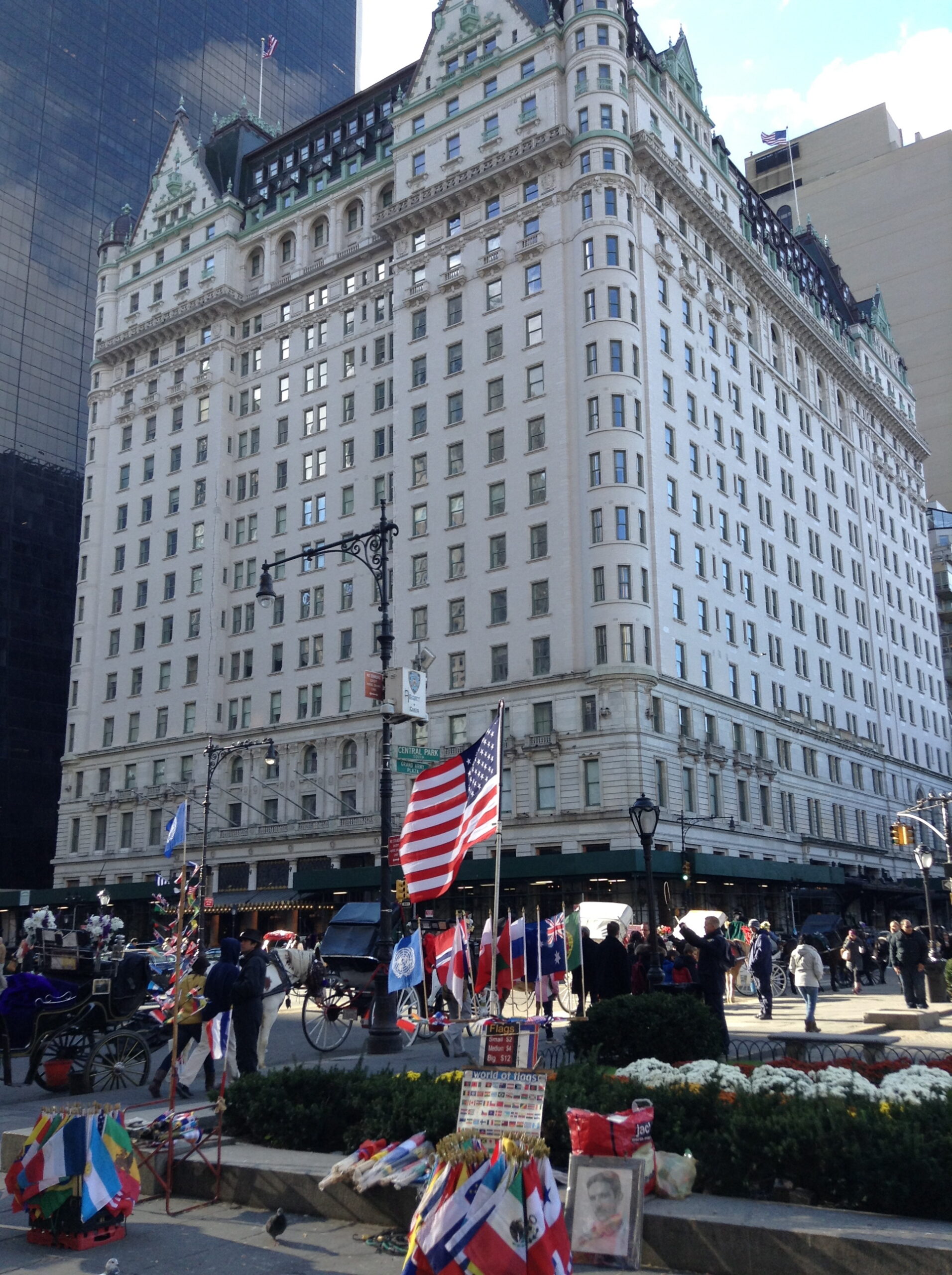
Where to Stay in NYC: Choose the Hotel Around Your Night
There’s no single best hotel in NYC for every trip. Start with the part of the city your event is in, then check the walk to your venue before you compare star ratings or brands.
Compare Hotel Prices Across NYC
Hotels across Midtown, the Theater District, the Upper West Side, Downtown Brooklyn and Long Island City, with live prices. Add your dates, then zoom toward your show, game or concert.
Prices and availability come from booking partners and change by date. We may earn a commission if you book, at no extra cost to you.
Hotels Near Broadway Theaters
The Theater District runs roughly from 42nd to 53rd Streets between Sixth and Eighth Avenues. Stay inside or right beside it and most Broadway houses are a 5 to 10 minute walk: no subway, and no surge pricing after an 11 PM curtain.
The tradeoff is intensity. This is Times Square: bright, loud and busy past midnight. Some visitors want exactly that; for them, see hotels near Times Square. Others would rather be a few blocks removed in Hell’s Kitchen or toward Columbus Circle and still walk to the show. For the block-by-block version, see hotels near the Theater District, and for a two-show trip, where to stay for Broadway weekends.
Book by walking distance to your specific theater, not by neighborhood name. “Steps from Broadway” can mean 5 minutes or 15, depending on which of the 41 theaters you’re seeing. Put both addresses into a map before you pay.
Times Square & the core blocks
The shortest walk to the most theaters. Best for first-timers and short trips with several shows.
Hell’s Kitchen & West 40s side streets
Nearly as walkable, calmer at night, and the city’s best pre-show dining a few steps away.
Hotels Near NYC Concert & Sports Venues
New York’s venues are spread across very different parts of the city. A hotel that’s perfect for Madison Square Garden is no help for the Beacon Theatre or Barclays Center.
MSG sits on top of Penn Station, so any Midtown hotel works. A few blocks north often means a nicer stay for similar money.
Rockefeller CenterRadio City Music HallOne of Midtown’s calmer, more polished areas, and an easy walk to the Christmas Spectacular.
Downtown BrooklynBarclays CenterA Brooklyn hotel skips the ride back across the river, with Atlantic Avenue restaurants nearby.
Upper West SideBeacon TheatreFewer hotels than Midtown, but a real neighborhood with Central Park and Lincoln Center close by.
Upper West SideLincoln CenterOpera, ballet and the holiday Nutcracker, with quieter streets than Times Square.
New JerseyMetLife StadiumFootball and stadium tours: why a Midtown base often beats a hotel next to the stadium.
Every venue has its own guide in the full hotel directory below.
The Best Area to Stay in NYC for an Event Trip
Beyond distance to the venue, your neighborhood shapes the whole trip: what’s open at 11 PM, what breakfast looks like, and whether the blocks around the hotel feel like part of the fun or just a place to sleep. The best area to stay in NYC really comes down to one question: what is the trip built around?
Midtown West / Theater District
The most theaters within walking distance. Busy, bright and convenient: the default choice for a reason.
Hell’s Kitchen
Nearly as walkable as Times Square, with the city’s strongest pre-show dining corridor on Ninth Avenue.
Midtown East / Grand Central
A short ride to Broadway, and the best rail links in Manhattan if your trip goes beyond the city. See hotels near Grand Central Station.
Rockefeller Center / Fifth Avenue
Top of the Rock, St. Patrick’s and the Christmas tree on foot, with calmer nights than Times Square. See hotels near Rockefeller Center.
Upper West Side
A real residential feel, walkable to the Beacon and Lincoln Center, with Central Park right there.
Choose a Hotel by Trip Type
Couples, families and special-occasion travelers often need different things from the same part of New York: room layout, late-night walkability, quieter blocks, views or bigger rooms.
Luxury & Special Occasions
When the room is part of the celebration: service, views, spas and design. NYC’s luxury hotels cluster in Midtown, Central Park South, Tribeca and NoMad.
🥂Romantic Trips
A hotel that works with the evening: dinner and bars nearby, a good walk home, and a view worth the upgrade.
🗝️Boutique Stays
Smaller hotels with character, for travelers who’d rather have personality than a lobby the size of a train station.
👨👩👧Family Trips
Room configurations, easy transit and short walks back after a show with tired kids.
💵Budget Weekends
Where the value is without trading your whole evening for a long commute.
All 39 NYC Hotel Guides
Every Stage & Street hotel guide, organized by where you’re going.
Broadway & Midtown
12 guidesArenas & Stadiums
10 guidesConcert Venues & Downtown
12 guidesBy Trip & Style
5 guidesNYC Hotels: Frequently Asked Questions
What is the best area to stay in NYC?
The best area depends on what anchors the trip. Midtown West, the Theater District and Times Square are strongest for Broadway-first visits; the Penn Station area works for Madison Square Garden; Downtown Brooklyn is worth considering for Barclays Center; and the Upper West Side is a natural fit for Beacon Theatre or Lincoln Center plans.
Is Midtown a good place to stay in New York?
Yes, especially for a trip that mixes Broadway, concerts, sports, sightseeing and transit. Midtown is not one uniform hotel zone, though: Midtown West favors Broadway and Hell’s Kitchen, the Penn Station area favors Madison Square Garden, and Midtown East favors Grand Central connections.
What is the best area to stay in NYC for a Broadway trip?
Midtown West and Hell’s Kitchen are the strongest answers for most Broadway-first visitors, since both put you within about a 5 to 15 minute walk of most theaters. Times Square gives you the shortest walk and the most spectacle but the loudest nights; Hell’s Kitchen trades a few extra minutes for calmer streets and better dining.
Should I stay in Times Square or Hell’s Kitchen for a Broadway show?
Times Square wins on proximity and energy; Hell’s Kitchen wins on calm, value and pre-show dining. If you’re seeing several shows on a short trip, the extra few minutes from Hell’s Kitchen rarely matter. For a single night when you want the full lit-up Broadway experience, Times Square is the more iconic base.
Where should I stay for a concert at Madison Square Garden?
Any Midtown hotel works well because MSG sits directly above Penn Station. A few blocks north toward the Theater District often gets you a nicer stay at a similar price without adding much walking distance to the arena.
Where should I stay for a Barclays Center event?
Downtown Brooklyn is worth serious consideration instead of commuting from Manhattan. It puts you near Atlantic Avenue’s restaurants and gives you direct subway access to the arena without a late-night trip back across the river.
What are the best luxury hotels in NYC?
NYC’s luxury hotels cluster in Midtown, Central Park South, and increasingly Tribeca and NoMad. For anniversaries, proposals and milestone birthdays, see our luxury NYC hotels for special occasions guide, which matches properties to the occasion.
What should families look for in an NYC hotel?
Prioritize room configuration, walking distance, simple transit and how many late-night or cross-town trips the itinerary creates. A family seeing Broadway and staying around Midtown may need a different hotel than a family whose plans are spread across several boroughs.
What makes a hotel good for a romantic NYC trip?
For couples, look beyond the room: neighborhood dining, bars or jazz nearby, late-night walkability, views, noise and how easily the hotel fits the rest of the evening. A romantic hotel should match the date-night plan, not just a star rating.
How far in advance should I book a hotel for a Broadway trip?
For peak periods such as holiday weeks, Tony season and star-led limited runs, book as soon as your show dates are confirmed. For an ordinary weekend, three to four weeks out is usually enough to get a good rate in Midtown West or Hell’s Kitchen.
Book by Walking Distance, Not Neighborhood Name
The best advice for any hotel booked around a Broadway show or NYC event: check the actual walk to your theater or venue before you book. “Near Broadway” can mean five minutes or fifteen. Get that right and the rest of the trip gets easier: shorter walks after a late curtain, more time for dinner, and less stress getting to whatever’s next.
Plan the Stay Around the Night You’re Having
Start with the kind of trip, then the venue, then the neighborhood. These guides cover each step, plus the dinner, transit and late-night return that make a hotel choice work.
Broadway weekends, concert nights, game trips, couples, families and budgets each point to a different base.
Walk to the show, eat nearby and get back without a cab line.
Late exits, station access and whether the night keeps going after the show.
Stay near the venue, near the train, or in Manhattan and ride in.
What’s open late, where breakfast is and how the blocks feel at night.
Everything else that shapes the night around the hotel.