

Brooklyn Steel Seating Chart — Seating & Venue Guide
A converted industrial warehouse with one of the best sound systems in New York. Big-room energy without arena scale — and a floor-versus-balcony decision that changes the entire night.
Brooklyn Steel is the kind of venue that gets compared favorably to everything it is not. It is not Terminal 5 — reviewers have described it as Terminal 5 with the terrible sightlines removed. It is not Barclays Center — it is a third of the capacity, and the scale feels personal in a way that arenas cannot manage. It is not Music Hall of Williamsburg — it is three times as large and it can take on artists that would overflow the smaller rooms. What it is, at 1,800 capacity with a sloped floor, an angled second-level balcony, no obstructing columns, and an L-Acoustics sound system that routinely draws comparisons to the best in the city: it is one of the most thoughtfully designed mid-size concert venues in New York, and it rewards visitors who understand how the room actually works.
The floor-versus-balcony decision here is not a minor ticket-tier variation. It determines the feel of the entire night — how close the music feels, how crowded you get, how powerful the sound is, how much you spend on drinks, how early you need to arrive. This page explains the room, compares the options honestly, and helps you figure out which version of a Brooklyn Steel night actually fits what you want.
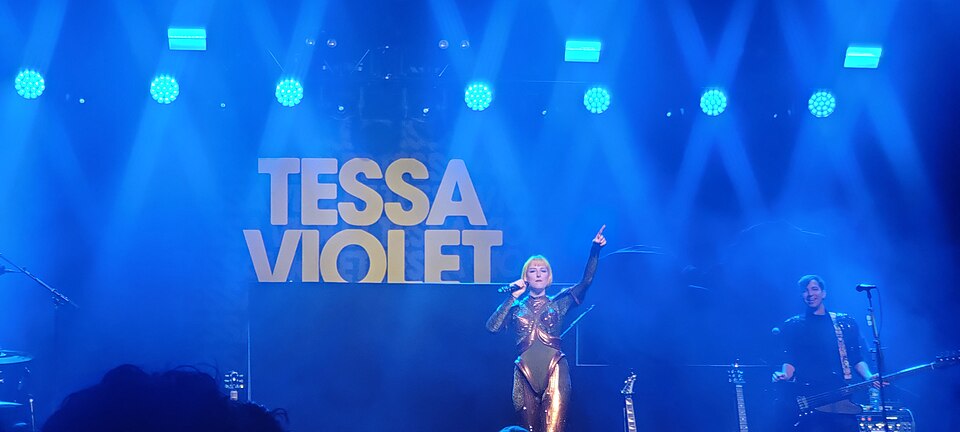
Brooklyn Steel during a live show, a strong look at the kind of floor-versus-balcony room experience readers should think through before buying.
Quick Answers — Best Spots at Brooklyn Steel
The L-Acoustics system at Brooklyn Steel is optimized for the floor. Multiple sources confirm floor sound is noticeably stronger and more dynamic than the balcony. The sloped floor also means you do not need to be right up front to hear and see well — the rake helps even mid-floor positions. Floor is where Brooklyn Steel sounds best.
The balcony at Brooklyn Steel projects toward the stage rather than sitting far back — designed to give elevated sightlines without the feeling of being exiled to a rear balcony. Less packed than the floor on sold-out nights, separate bar, and a cleaner overall view of the full stage picture. The tradeoff is reduced sound intensity.
The floor’s downward rake toward the stage is a genuine advantage for shorter visitors — you are not staring at the back of someone’s head the whole show. Arriving early enough to claim a mid-floor position that uses the slope works well. Balcony front rail gives a direct elevated view without any sightline competition from the people in front of you.
Brooklyn Steel’s main floor can get dense on sold-out nights. The balcony is the natural escape: less physical contact, its own bar (usually shorter queues than the main floor bars), and a view that still feels close because of how the balcony is designed. The elevated viewing platform at the rear of the main floor is a middle option — still on the floor level, elevated slightly, better breathing room than center floor.
Brooklyn Steel’s GA floor with a sloped deck and no obstructing pillars is notably better than the standard floor experience at most comparable-capacity venues. A general admission ticket here is a genuinely good deal relative to what you get. You do not need to upgrade to access a good experience — though arrival timing matters.
Preferred Terrace includes access to a prime second-floor balcony viewing area, the Ludlow Lounge, and a private restroom. The lounge component — a dedicated room with fewer people — is the real differentiator. If you want a more curated, less-crowded experience with a private space to escape to, it delivers. If you just want the best possible view, regular balcony is close enough to not justify the premium alone.
What Brooklyn Steel Is Actually Like
Brooklyn Steel opened in 2017 as the largest concert room The Bowery Presents brought to Brooklyn — an attempt to create a mid-size venue that could host acts too big for the company’s 500-person Music Hall of Williamsburg but did not require the leap to Barclays Center or MSG. The building was a steel fabrication warehouse on Frost Street in East Williamsburg, and the renovation kept much of the industrial character intact: exposed steel from the original structure repurposed as fixtures throughout the room, industrial fans, a cavernous ceiling that gives the space its sense of scale.
The comparison to Terminal 5 — the 3,000-capacity Manhattan mid-size venue that has been controversial for years for its poor sightlines and uneven layout — comes up constantly in Brooklyn Steel reviews, almost always as a compliment. The designers deliberately avoided Terminal 5’s main problems: where Terminal 5 has balconies that force attendees to crane their necks to see the stage, Brooklyn Steel’s balconies angle toward the back of the room at a pitch that allows standing on the upper level without constant neck strain. Where Terminal 5 has obstructing pillars blocking floor sightlines, Brooklyn Steel anchored its balconies directly to the walls to eliminate support columns from the sight lines entirely.
The result is a room that most people describe as one of the most well-designed venues of its size in the city: strong sightlines from nearly every position, one of the best sound systems in New York, 40 restrooms (unusually high for 1,800 capacity — a deliberate design choice), and three bars positioned to reduce the bottleneck that usually makes buying a drink at a sold-out show an ordeal.
Rolling Stone named Brooklyn Steel one of the 10 best live music venues in America. This is a genuinely good room — not a compromise between intimacy and scale, but something that manages both with unusual success for the size.
How the Room Works — Layout and Level Logic
Brooklyn Steel has two main levels and all general admission standing throughout. There are no reserved seats in the traditional sense — this is a concert venue built for standing crowds, and the floor-versus-balcony decision is the primary choice for most ticket buyers.
The main floor
The main floor is a large GA standing area that slopes downward toward the stage — meaning the floor rakes so that people standing toward the back of the room are elevated slightly relative to those closer to the stage. This is the key sightline design feature: on a standard flat floor, people in the mid-to-back floor area lose visibility as the crowd fills in. The Brooklyn Steel slope reduces that problem significantly. The head of marketing at Bowery Presents explained at the opening: “The sight lines have all been designed so that no matter where you are there’s a really a great view.”
At the rear of the main floor, directly under the balcony, is a slightly elevated viewing platform — horseshoe-shaped, with a large bar along the back wall. This is the main-floor alternative for visitors who want more breathing room without going up to the balcony. The two main floor bars — one in the lobby/entry hallway and one at the back of the main floor area — serve the floor crowd.
The balcony
The second-floor balcony is also GA standing. The deliberate design choice that distinguishes it from most venue balconies: the balcony runs toward the back of the room at an angle rather than sitting in a straight horizontal line. This means the balcony extends forward toward the stage, giving elevated views without the feeling of being stuck at the far end of the room. It also means the balcony wraps around and provides different viewing angles depending on where you position yourself. A separate bar at the back of the balcony level typically has shorter lines than the main floor bars.
One consistent note from reviews: the balcony can run cold, particularly during shows that are not sold-out, due to the large ventilation system above. If you run cold at shows, bring a layer to the balcony.
Preferred Terrace / Ludlow Lounge
On select events, a section of the second-floor balcony is designated Preferred Terrace, providing access to a prime viewing position on the balcony and the adjacent Ludlow Lounge — a private room with its own restroom. This is the premium tier for Brooklyn Steel shows. It is not available at every event; availability and pricing vary. Always check the event-specific map on AXS before purchasing to confirm whether it is offered for your specific show.
Brooklyn Steel’s exact configuration can vary by event. The floor may be configured differently for some shows. Preferred Terrace is not offered at every event. Always check the current event-specific seating map on AXS before buying to confirm the actual layout for your show. What applies to one night does not necessarily apply to all.
Floor vs Balcony — The Honest Comparison
This is the decision that changes the entire feel of a Brooklyn Steel night. Both options have real merits and real tradeoffs, and the right choice depends on what kind of concert experience you actually want.
If sound quality is the primary factor, the floor wins and it is not close. The L-Acoustics system was built for the floor experience, and every source that compares the two levels makes the same call: floor sound is noticeably more powerful and dynamic.
If you want to experience the show without fighting the crowd, the balcony at Brooklyn Steel is a stronger option than balconies at most comparable venues — precisely because it extends toward the stage rather than being set far back. You give up some sound intensity and crowd energy; you gain sight clarity, bar access, and breathing room. For many visitors, it is the better choice even if it is not the maximum-intensity one.
Best Spots at Brooklyn Steel by Type of Concertgoer
The front-to-mid floor, center position is the best concert experience Brooklyn Steel offers. The sound system is at its most powerful here, the crowd energy is at peak, and the sloped floor means even people at 20–30 feet from the stage have good sightlines. Arrive early if front-of-floor positioning matters. The floor does not have assigned positions — get there earlier than you think you need to.
One of the underrated benefits of the sloped floor: mid-floor positions are genuinely good at Brooklyn Steel in a way they are not at flat-floor venues. You are not crammed into the front, you have reasonable breathing room, and the sight lines work because you are elevated slightly relative to people closer to the stage. A solid choice for visitors who want a good floor experience without arriving an hour early.
The front of the balcony rail gives you an unobstructed, elevated view of the full stage picture — the best position for taking in the show as a whole rather than experiencing it at close range. The balcony’s angled design means the front rail is not nearly as far back as a standard venue balcony. You see everything clearly; you trade crowd immersion for perspective. This is the best balcony position and it is worth claiming early.
Brooklyn Steel’s sloped main floor is specifically helpful for shorter visitors. The rake means you are not staring at the back of someone’s head the entire show. Mid-floor positions with good lane angles (toward the center of the stage) work well. If the floor still feels like a sightline challenge, the balcony front rail gives a clear elevated view without height being a factor at all.
The balcony is notably less congested than the floor on most sold-out nights, and the dedicated balcony bar is typically significantly quieter than the main floor bars. For visitors who enjoy shows but find dense standing crowds physically unpleasant, the balcony at Brooklyn Steel offers a genuinely good view and a more manageable experience without being a step-down compromise. This is a real alternative, not a fallback.
If you are not used to standing GA venues or are not sure how you feel about dense crowds, Brooklyn Steel is actually a good place to figure it out — the room is forgiving because the sightlines work from many positions. Start at mid-floor and see how the room feels as it fills. If a sold-out floor gets too dense, the balcony is a genuine option. Brooklyn Steel is one of the better first-time GA experiences in New York because the room works even when you are not in an optimal position.
Preferred Terrace at Brooklyn Steel — Is It Worth It?
Preferred Terrace is the premium tier available on select Brooklyn Steel events. It provides access to a prime viewing area on the second-floor balcony and the adjacent Ludlow Lounge, including a private restroom. It is not offered at every event and pricing varies — always check the event-specific page on AXS to confirm availability and current pricing for your specific show.
What Preferred Terrace actually changes
The upgrade has two components. The first is positional: access to a designated prime viewing area on the second-floor balcony. The second is lounge access: the Ludlow Lounge is a separate private room adjacent to the balcony, with its own private restroom. This is the component that makes Preferred Terrace distinct from simply having a good balcony position — it gives you a retreat space, a dedicated restroom, and a somewhat more curated environment apart from the general balcony crowd.
Who should consider it
Preferred Terrace works best for visitors who specifically want a semi-private lounge experience — a dedicated space to move in and out of the show, a private restroom, and a more exclusive-feeling version of the balcony. For a group night, it can justify itself as a more social premium option. For music fans who primarily care about sound quality and crowd energy, the regular floor or regular balcony is the better concert-experience choice — the lounge component is the value driver here, not the view alone.
When regular balcony is enough
If your goal is simply a good elevated view and a less crowded experience, regular general admission on the balcony gets you most of the way there without the premium price. The balcony’s angled design and dedicated bar already address most of the reasons someone might want to pay up. Preferred Terrace adds the Ludlow Lounge and private restroom — meaningful for the right kind of night, less relevant if you primarily want to watch the show from a comfortable position.
What to Know Before Buying
Event configurations vary
Brooklyn Steel’s exact layout can differ between events. Preferred Terrace is not offered at all shows. The floor configuration can change. Always check the current event-specific AXS page before purchasing to understand the actual setup for your specific show. What applied last time you went may not apply to the next show.
Early arrival matters on the floor
Brooklyn Steel is GA throughout. If floor positioning matters to you — particularly front-of-floor — you need to arrive earlier than the stated door time suggests. The floor fills quickly for sold-out shows. The sloped floor helps mid-floor positions, but the front fills first and does not yield. Factor this into your arrival plan, especially if you are doing dinner before the show.
No food is served at the venue
Brooklyn Steel has bars but no food. If you plan to drink and have not eaten, do that before the show — there are restaurants in the surrounding East Williamsburg neighborhood and a short Lyft ride to more options. This is worth knowing in advance rather than arriving hungry at 8pm and discovering there is nothing to eat inside.
Security is thorough
Brooklyn Steel uses metal detector entry and security pat-downs. Allow extra time when arriving. Oversized bags, GoPros, and professional video cameras are not permitted. Check the official venue policy page before the show, as policies can update.
No re-entry, and coat check can be slow post-show
Re-entry is not permitted once you leave. If you are checking a coat, the coat check queue wraps up the stairs after the show — be aware that post-show exit can involve a wait. Arriving early and checking your coat before the floor fills makes the post-show process significantly smoother.
Age restrictions vary by event
Most Brooklyn Steel events are all ages. Any exceptions are noted on the individual event page. Verify the specific age policy for your show on AXS before buying, particularly if you are attending with younger concertgoers.
Planning the Full Brooklyn Steel Night
Brooklyn Steel is in East Williamsburg on Frost Street, a 5–10 minute walk from the Lorimer Street subway station (L and G trains) or the Graham Avenue station (L train). The venue is in a decidedly industrial part of Brooklyn that is not a restaurant district — there is no Austin Street or Bedford Avenue equivalent immediately outside the door. Planning dinner before the show means choosing where to eat before you arrive at the venue, not necessarily right outside it.
The venue has three bars and no food, so if you want to drink your way through a show, Brooklyn Steel handles it well. If you want to eat, that needs to be part of the pre-show plan rather than an afterthought. There are restaurants in the broader Williamsburg and Greenpoint areas accessible from the subway, and closer options within a walk of the venue.
The full Brooklyn Steel support cluster — restaurants nearby, hotels for visitors staying in the area, transit directions, and parking options — is part of the Stage & Street NYC planning system. As those pages build out, this guide will link to them directly. For now: the NYC Concert Venues guide covers the full venue landscape for comparison.
Frequently Asked Questions
For sound and intensity: center or front-center main floor. For a full-room elevated view with less crowd pressure: front rail of the balcony. For shorter concertgoers: the sloped main floor mid-section (the rake helps sightlines) or balcony front rail. For comfort and easier bar access: the general balcony. The room is well-designed enough that there are no truly bad positions — but these distinctions matter for the kind of night you want.
It depends on what better means for you. The floor has noticeably better sound — multiple sources consistently confirm floor audio is more dynamic and powerful than the balcony. The balcony has better sightlines clarity, less crowd density, a dedicated bar with shorter lines, and more breathing room. Floor is better for maximum concert intensity; balcony is better for comfort without sacrificing a good view. Neither is a poor option; they are different nights.
Preferred Terrace provides access to a prime viewing area on the second-floor balcony and the adjacent Ludlow Lounge, including a private restroom. It is offered on select events only — not every show. The Ludlow Lounge access is the main differentiator over standard balcony. For a premium, lounge-style experience, it delivers that. For pure concert-viewing, the regular balcony is close enough that the premium is primarily justified by the lounge component.
Better than most comparable venues, because of the sloped main floor. The rake means people toward the mid-back of the floor are elevated slightly relative to those in front — this materially reduces the “staring at the back of a tall person’s head” problem. The balcony front rail is also a strong option if floor positioning feels uncertain — a clear elevated view where height is not a factor at all.
Yes — Brooklyn Steel is entirely general admission standing for concerts. 1,800 capacity, GA throughout. There is no reserved seating section in the traditional sense. The Preferred Terrace premium upgrade on select shows is also standing room on the balcony, with access to the adjacent Ludlow Lounge. Accessible accommodations are available for guests who need them — contact the venue directly or check the AXS accessibility page for your event.
Yes, genuinely. It is one of the better first-time GA venue experiences in New York precisely because the room works from many positions — the sloped floor, the lack of obstructing pillars, and the strong sound system mean you do not need to be in an optimal spot to have a good experience. It is also better-designed than most comparable-capacity venues in the city, and the room’s reputation is earned. Arrive earlier than you think you need to if floor positioning matters.
Brooklyn Steel has a standing capacity of 1,800, making it a mid-size venue in the New York concert landscape — larger than the 500–700 capacity of rooms like Music Hall of Williamsburg or Bowery Ballroom, but well under the 15,000+ capacity of arenas like Barclays Center or MSG. The 20,000 square foot footprint is large enough to feel like a significant tour stop, manageable enough that most positions in the room feel close to the stage.
Brooklyn Steel Works When You Choose the Right Version of It
Brooklyn Steel is a well-designed room, and the reviews over its eight years of operation consistently confirm it. The sightlines work. The sound is exceptional. The restroom situation, unusually for a venue of this size, is actually fine. Rolling Stone’s designation as one of the ten best live music venues in America is not just promotional copy — the venue earned it through thoughtful engineering of exactly the problems that make most mid-size rooms frustrating.
What this means practically is that the floor-versus-balcony decision here matters more than it does at a poorly designed room, where the choice between bad and slightly less bad is not a real decision. At Brooklyn Steel, the floor and the balcony are both genuinely good options with distinct characters. The floor gives you the best sound in the city for this venue size and the full crowd experience. The balcony gives you an elevated, less pressured view with a dedicated bar that does not make you fight your way through the show to get a drink. Choose based on what kind of night you actually want — both versions are worth having.