

Best Standing Room Concerts in NYC: GA Floor Venues, Pit Tickets & Where to Stand
GA floor can be the best ticket in New York — but only when the venue, crowd, artist, and your own stamina make standing worth it. Use this guide to choose the right NYC venues for standing-room shows, where to position yourself, how early to arrive, and when balcony or seated tickets are the smarter move.
GA floor can be the best ticket in New York, but only if you know what you’re buying. At the right show, standing room puts you inside the energy of the room — the bass in your chest, the crowd moving as one, the artist close enough to feel like they’re playing to you. At the wrong show, it means two hours behind someone six inches taller, no clean sightline, sore feet on a concrete floor, and a bar run that costs you your spot. The smart move isn’t automatically “get floor.” It’s knowing which venues reward standing, where to stand once you get inside, and when the balcony is actually the better night.
New York has some of the best standing-room venues in the country — and some of the most frustrating. Brooklyn Steel’s sloped floor is an engineering decision designed to fix the sightline problems that plague flat-floor rooms. Terminal 5’s three levels reward early arrivals who know where to go and punish everyone else. Webster Hall and Bowery Ballroom are beloved rooms where the standing experience depends entirely on the artist. This guide works through the decision so you don’t have to figure it out in real time at the venue entrance.
Are Standing-Room Concerts Worth It in NYC?
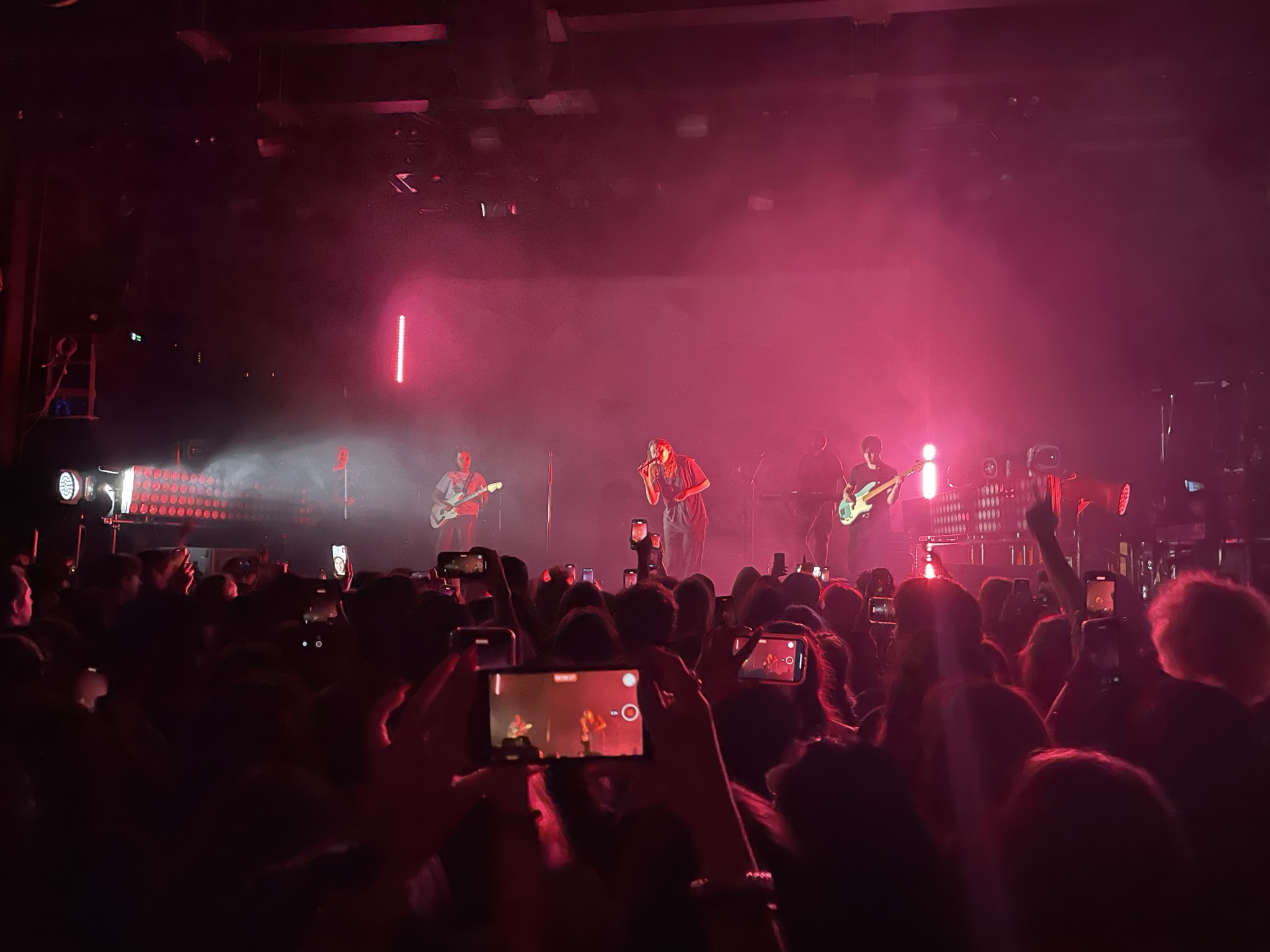
The honest answer is: it depends on the venue, the artist, and whether you’re prepared for what GA floor actually involves. Standing room is not the best ticket by default. It’s the best ticket when the conditions are right.
Standing room is usually worth it when:
- The artist has high live energy
- You want crowd immersion over viewing comfort
- You can arrive early enough to claim a real spot
- The venue has decent floor sightlines (Brooklyn Steel, Hammerstein)
- You’re okay standing for two to three hours
- You want to dance or move
- The show is rock, indie, electronic, punk, or hip-hop
- You know where to stand in that specific room
Balcony or seated may be smarter when:
- You’re short and sightlines matter
- You want comfort over crowd energy
- It’s a date night and control matters more
- You need easier drink or bathroom access
- You can’t arrive early enough for a real floor spot
- The show is visual-heavy or quieter in style
- The venue’s floor is known for density issues (Terminal 5)
- You’re tired or traveling and can’t hold a spot all night
The Stage & Street Rule
Don’t buy GA floor because it sounds closer. Buy GA floor when the artist, venue, crowd, and your actual plan for the night make standing part of the experience — not an obstacle to it.
Best NYC Venues for Standing-Room Concerts
Not all GA floors are equal. The room shape, floor slope, balcony options, sound quality, and crowd density all determine whether standing room feels electric or miserable. Here’s how the major NYC standing-room venues actually compare.
Large standing-room venues
Brooklyn Steel
The best-engineered large GA floor in New York CityBrooklyn Steel is the room where standing room most consistently delivers on its promise. The GA main floor slopes gently down toward the stage — a deliberate design choice that addresses the most common GA complaint: the person in front of you blocking the view. Because the floor tilts, positions mid-floor and even toward the rear produce cleaner sightlines than equivalent spots at flat-floor venues of the same size. You don’t have to fight to the rail to have a real night. The sound system is consistently praised as among the best at this scale in the city, and 40 bathrooms for 1,800 people is almost absurdly generous by NYC standards.
The venue is an East Williamsburg industrial conversion — original steel incorporated into the design, high ceilings, genuine character. The mezzanine balcony is a strong option when the floor feels too dense. Three bars keep lines manageable. The L train to Graham Avenue or Morgan Avenue is the cleanest transit option; rideshare pickup on Frost Street after shows. See: Brooklyn Steel venue guide
Terminal 5
Three-level room — rewards people who know where to goTerminal 5 is a genuinely polarizing venue, and the polarization is instructive. The three-level warehouse room at 610 West 56th Street holds 3,000 people across a main floor and two wraparound balconies. The industrial bones are real — 40-foot ceilings, catwalks, an energy that matches the music on a good night. The sound is punchy and loud. The problem is the main floor: it’s flat, and at density, the sightlines can be genuinely frustrating. Multiple reviews from people of average height report being unable to see the stage from center floor. The stage height is part of the issue — lower than ideal for a room this size.
The fix is knowing where to go instead of defaulting to floor. The second and third balconies offer clear stage views and, if you arrive early enough to claim a rail spot, are often better than anything available on the main floor. The column supporting the second-floor balcony on the main floor creates a spot just to the right of it that’s often less crowded and closer than it looks. The bar situation is better on the second floor — shorter lines than the temporary bar at floor entrance. Coat check is on the second floor as well. The far west side location (11th Avenue at 56th) means no easy subway — plan the exit. See: Terminal 5 venue guide
Hammerstein Ballroom
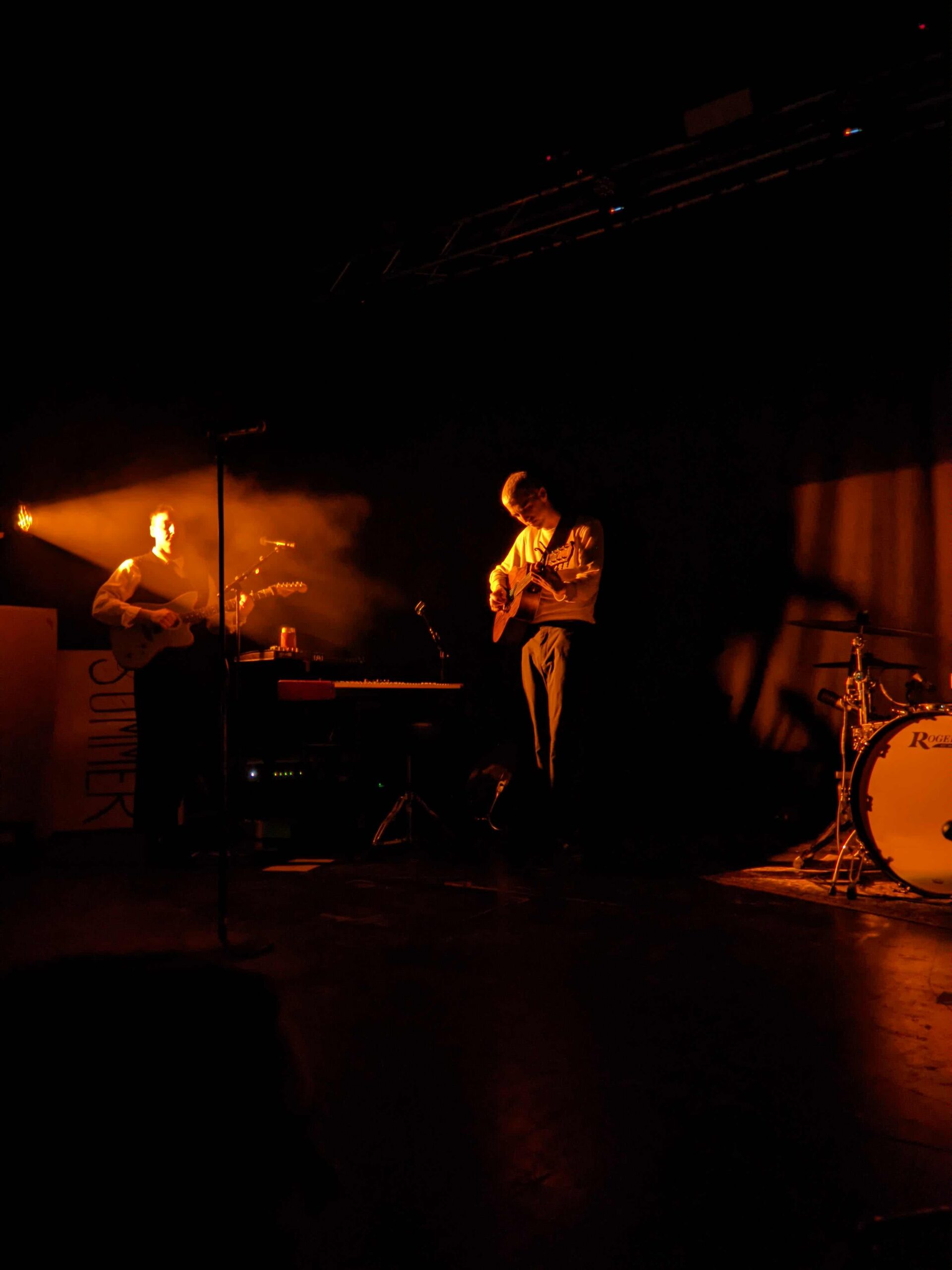
Historic room with flexible standing and seated configurationsThe Hammerstein Ballroom is one of NYC’s most architecturally striking rooms — a grand Beaux-Arts space inside the Manhattan Center on 34th Street. Configuration varies by show: some events are fully standing GA floor, others add seated orchestra sections, and the mezzanine and balcony tiers are almost always available. When it’s configured as a GA floor show, the room rewards the floor experience — the scale and sight quality are strong. The Penn Station location makes it one of the most accessible concert venues in Midtown for commuter rail visitors. See: Hammerstein Ballroom guide
Webster Hall, Irving Plaza, Bowery Ballroom & Classic NYC Standing Rooms
The mid-size and smaller standing-room venues are where the GA floor experience gets most intimate — and where arrival time and spot choice matter most.
Webster Hall
The historic East Village room at 125 East 11th Street has been an NYC concert institution for decades — a multi-level venue with a main floor, mezzanine, and balcony that works for everything from pop and electronic to rock and nightlife crossover. The floor experience varies significantly by show: packed and energetic for the right high-demand artist, or relatively spacious for a quieter weeknight. The mezzanine and balcony are consistently good viewing options, particularly for shorter fans. The East Village location gives you one of the city’s best late-night restaurant and bar scenes for before and after. See: Webster Hall venue guide
Irving Plaza
Irving Plaza near Union Square is a classic mid-size GA room — tight, intimate, and well-suited to the rock and indie touring circuit that fills it most nights. The floor capacity runs roughly 1,000. The standing experience at Irving Plaza is more intimate than Terminal 5 or Brooklyn Steel, which works in its favor for the right show and against it when the room is overcrowded for a hot act. A balcony section offers elevated views with rail positions worth claiming early. The Union Square neighborhood gives you genuinely good transit options (L/N/Q/R/4/5/6) and strong dining before the show.
Bowery Ballroom
One of the most beloved smaller rooms in New York — the Bowery Ballroom on Delancey Street has the kind of reputation that gets built over twenty-plus years of reliably good shows. It’s a standing-room room by default: a main floor with solid sound and sightlines, a second-level viewing area with some of the best views in the house, and a bar at the back of the floor that makes drink runs manageable. The intimacy is part of the point. For a mid-size touring act where the floor experience matters, Bowery Ballroom usually delivers it.
Music Hall of Williamsburg
Music Hall of Williamsburg is Bowery Ballroom’s Brooklyn counterpart — a smaller room (roughly 550 cap) with strong sound, a balcony level, and the kind of intimate standing-room atmosphere that works best for indie and alternative touring acts. The Bedford Avenue L train stop is a two-minute walk. The Williamsburg dining and bar scene before and after is as strong as anywhere in the city for a concert night.
Brooklyn Paramount
The recently restored Brooklyn Paramount is a larger room in a historic theater building — configured with a main floor GA area and balcony, it’s one of the more distinctive standing-room options in Brooklyn for mid-to-large touring acts. See: Brooklyn Paramount guide
Warsaw, Racket NYC & Elsewhere
Warsaw in Greenpoint is a mid-size Polish National Home-turned-venue with a distinctive room feel and a strong indie/electronic/alternative calendar. Racket NYC and Elsewhere in Bushwick are smaller, club-forward rooms that work best for shows where the standing-room energy is the whole point. All three are neighborhood venues with strong local bar scenes and transit access via the L or G.
Floor vs Balcony: Which Ticket Should You Buy?
This is the actual decision most people don’t think through carefully enough. Floor is not automatically better. Balcony is not automatically a downgrade. They’re different experiences, and the right choice depends on the show, venue, and what you’re there for.
Buy GA floor when
You want energy and crowd immersion. You can arrive early. The artist rewards being close. You’re comfortable in a dense crowd. You want to dance or move freely.
Tradeoff: sightlines depend on where you end up, and bar/bathroom runs cost you your spot.
Buy balcony / mezzanine when
You want a guaranteed clear view. You’re short. It’s a date and comfort matters. You don’t want to arrive early to hold a spot. The show is visual or production-heavy.
Tradeoff: less crowd energy, often limited spots, may require early arrival too.
Brooklyn Steel specific
The sloped floor means mid-floor and rear-floor positions are viable without fighting for the rail. Balcony is strong when you want breathing room.
One of the few rooms where not arriving first isn’t a disaster on the floor.
Terminal 5 specific
The second or third balcony rail often beats center floor. If you can’t arrive very early, the upper levels are the smarter purchase.
The flat floor at density is genuinely one of the harder sightline situations in NYC at this venue size.
For short fans
Balcony rail is often the best ticket in the house. Front rail is an option only with very early arrival. Side floor positions can beat center-floor crowd.
Never assume the closest ticket is the best view. A balcony rail at Bowery Ballroom beats a center-floor position four rows back.
For date nights
Balcony usually serves dates better — you can talk, you have a defined space, you’re not holding a spot for three hours. GA floor works for dates when both people genuinely want the floor experience.
A date on the balcony at Webster Hall beats a date on a crowded floor every time, unless being in the crowd together is the point.
Where to Stand at a GA Concert
The best spot in a standing-room venue is not automatically the closest one to the stage. Here’s how the main floor zones actually play out.
Best for superfans, devoted fanbases, and high-energy artists where being close is the whole experience. Requires arriving early — sometimes hours early for the most devoted crowds. The view is excellent. The tradeoffs are real: intense volume, crowd pressure from behind, limited ability to leave, and zero mobility for the rest of the night.
Not the right spot if you need drinks, bathrooms, or personal space. Worth it only when you want nothing else from the night.
The energy sweet spot at most venues — close enough to feel the show, far enough to have some mobility. Sightlines depend entirely on the height of the people directly in front of you, which is why the sloped floor at Brooklyn Steel is such an advantage. At flat-floor venues, this zone is where sightline luck plays the biggest role.
Best balance of crowd immersion and practical function. The zone where most people should aim.
Where the sound engineer sits is where the mix is calibrated. The audio quality at the soundboard position is often the best in the house. The visual experience is more distant, but for artists where the music is the primary event, this is a legitimate choice that most people don’t consider.
Underrated position for serious music listeners who prioritize the mix over proximity.
Side positions offer less crowd pressure, easier exit paths, and sometimes a sightline angle that works better than center-crowd for shorter fans. The tradeoff is an off-axis view of the stage and potentially uneven sound. Worth considering for anyone who wants the floor atmosphere without the center-crowd density.
Good for people who want to be on the floor without being in the thick of it.
One of the most underrated positions in any multi-level venue. A rail spot on the first balcony gives you a clear unobstructed view of the entire stage, usually better acoustics than the floor, and the ability to lean rather than stand unsupported. At venues like Terminal 5, Hammerstein, and Webster Hall, the balcony rail often produces a better night than center floor at density.
Requires early arrival to claim the good rail positions. Worth planning around.

How Early Should You Arrive?
There’s no universal answer — arrival time depends more on the fanbase than the venue. The relevant question is not “how early does the venue recommend?” but “how devoted are the fans of this specific artist?”
A mid-size indie act with a casual following might have a mostly empty floor for the first forty minutes after doors. A pop act with a fervent online fanbase might have fans queuing two hours before doors for the rail. Both can play the same venue on back-to-back nights and require completely different arrival strategies.
General guidance: if you want the front rail, arrive earlier than feels reasonable. For a good mid-floor spot, arriving at or shortly after doors usually works. For the soundboard or rear-floor, you have meaningful flexibility. For the balcony rail at a busy venue, earlier arrival still matters — those spots fill up too. For a weeknight show with a smaller draw, you have far more latitude than a sold-out weekend show.
Check social media for the specific show the day before. The crowd assembling outside is the most reliable signal of how early you actually need to be.
What to Wear to a Standing-Room Concert in NYC
The best outfit for a GA floor show is the one you still feel good about three hours after doors — when the room is hot, your feet hurt, and your coat is somewhere in coat check or draped over your arm. Standing-room concerts are endurance events dressed as fashion moments.
Shoes: The most important decision. Standing on concrete for two to three hours in the wrong shoes turns a good show into a painful one. Sneakers or comfortable boots with cushioned soles. Heels on a GA floor are a commitment that rarely pays off.
Layers: Most GA venues are cool when you arrive and warm once the crowd fills in. A light layer you can tie around your waist or check is smarter than a heavy coat that becomes luggage. In summer, the air conditioning in most indoor rooms means a light cover is still useful.
Bags: Smaller is better. A crossbody or small pack keeps your hands free and your belongings secure in a crowd. Large bags create friction, limit mobility, and may require venue inspection. Check the venue’s bag policy before you go — they vary and change.
Coat check: Use it when available. Holding your coat for a three-hour show in a crowded room is a guaranteed way to be slightly miserable. Coat check fees are minor.
Ear protection: Earplugs are not uncool — they’re how experienced concert-goers preserve hearing while actually hearing the music better. High-fidelity earplugs reduce volume without distorting the mix. Keep a pair in your bag.
See: What to Wear to a Concert in NYC — the full guide covering every season, venue type, and occasion.
Common Standing-Room Concert Mistakes
Buying GA floor just because it’s closest
Proximity is not the same as best view. A balcony rail at Terminal 5 beats a center-floor position blocked by taller fans. Floor is about energy, not guaranteed sightlines.
Arriving too late for the spot you imagined
GA is first-come. The rail spot you pictured at 7:30pm was claimed at 6:15pm. Know the fanbase before you plan your arrival time.
Ignoring the balcony option entirely
At Terminal 5, Webster Hall, Brooklyn Steel, and Hammerstein, the balcony is often the better ticket — especially for shorter fans or anyone who wants to actually see the stage.
Wearing the wrong shoes
Concrete floors for three hours. This is not the venue for footwear experiments.
Bringing too much stuff
A large bag in a dense crowd is a problem for you and everyone around you. Use coat check. Minimize what you carry in.
Leaving your spot for drinks at the wrong moment
Once the main act starts, bar runs become progressively harder to recover from. Plan your last drink run before the headliner hits the stage.
Assuming every GA floor feels the same
Terminal 5’s flat floor at 3,000 is a different world from Brooklyn Steel’s sloped floor at 1,800. Bowery Ballroom at 800 is different from both. Know the room before you assume where to stand.
Underestimating the fanbase
The most important arrival variable isn’t the venue — it’s how devoted the fans are. A modest artist with an intense online following will fill the rail faster than a bigger name with a casual crowd.
Forgetting the ride home
After standing for three hours in a hot room, you’re tired. Terminal 5 is on the far West Side. Brooklyn Steel requires an L train back. Plan the exit before the show starts, not after the encore.
Making a comfort-first date night a rail mission
Not every night should be a stamina test. If your companion wants to talk, have drinks, and actually see the stage, buy the balcony tickets and have a better time.
Getting Home After a Standing-Room Concert
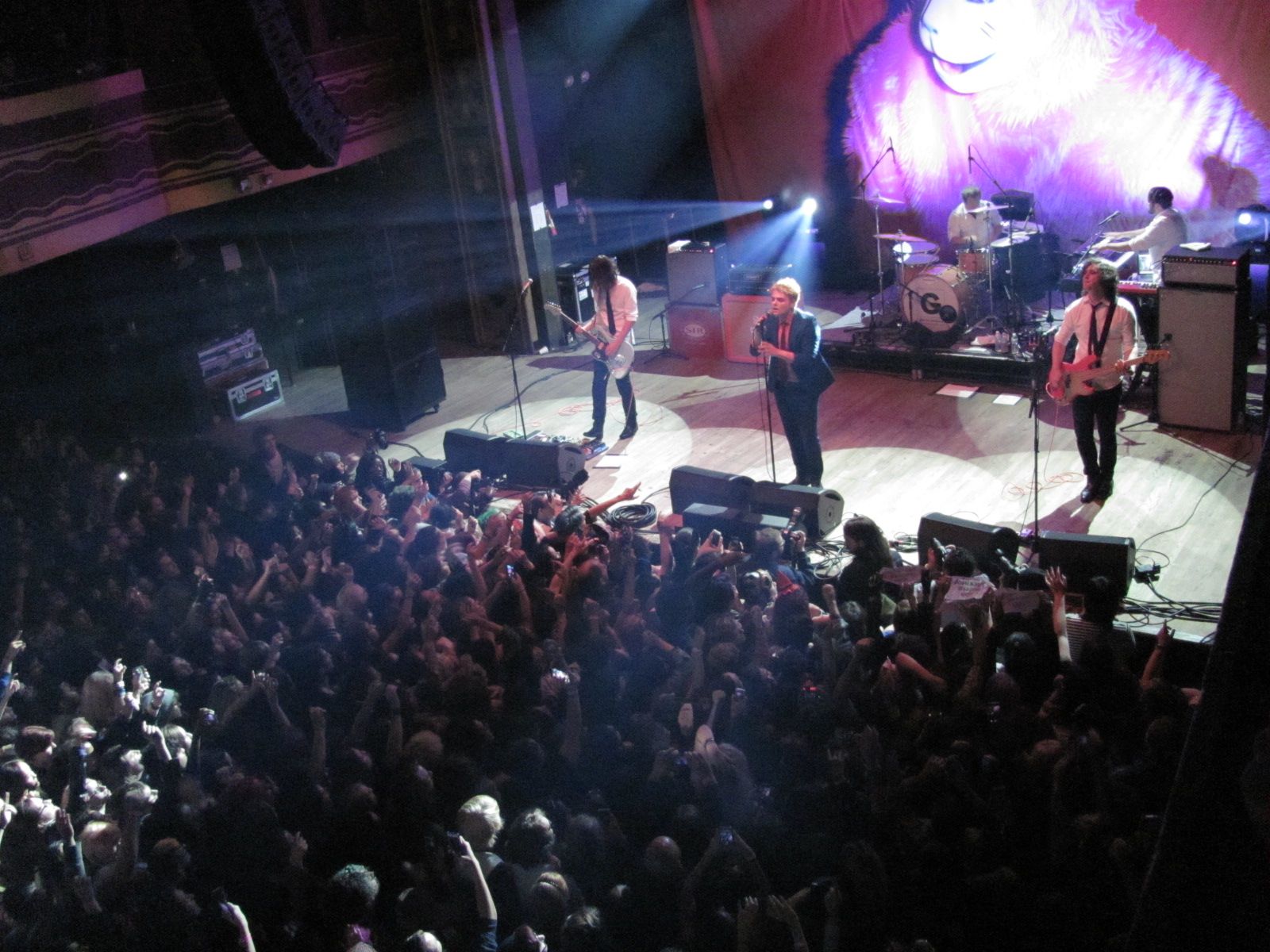
A GA floor show takes more out of you than a seated night. After standing for two to three hours in a hot room, you’re tired and slightly dehydrated, and the last thing you want is to be solving transportation problems on a sidewalk with everyone else from the show.
Terminal 5’s far west side location is the hardest exit in this guide — it’s a 15-minute walk to the A/C/B/D/1 at Columbus Circle, and rideshare surge from 11th Avenue after a big show can be significant. Walking toward the subway rather than requesting a car at the venue exit is usually the faster move. Brooklyn Steel’s L train access is clean if you’re heading to Manhattan or deeper into Brooklyn — the Graham Avenue and Morgan Avenue stops are both nearby. At Bowery Ballroom and Irving Plaza, the downtown Manhattan transit options give you more flexibility.
The general rule: walk away from the venue exit crowd before opening a rideshare app. Even two blocks of distance drops the surge meaningfully. See: How to Get Home Late at Night in NYC · NYC Uber vs Taxi
Frequently Asked Questions
Are standing-room concert tickets worth it in NYC?
When the conditions are right — high-energy artist, good floor layout, you can arrive early, and the show style rewards being in the crowd — GA floor tickets are worth it. When you’re short, can’t arrive early, need comfort, or the venue’s floor is known for sightline issues, balcony or seated tickets often produce a better night for less stress.
What are the best standing-room venues in NYC?
Brooklyn Steel is the best-engineered large GA floor in the city — its sloped floor addresses the sightline problems that plague flat-floor rooms. Terminal 5 has strong energy but a flat floor that frustrates at density; the balconies often beat the floor there. Bowery Ballroom, Irving Plaza, Music Hall of Williamsburg, and Webster Hall are the classic mid-size standing rooms. Hammerstein Ballroom is the strongest large option for shows configured as GA.
Is Terminal 5 good for standing room?
It depends where you stand. The flat main floor at density can be frustrating — sightlines are genuinely poor from center floor for many fans, and multiple reviews from people of average height report not being able to see the stage. The second and third balconies are often the smarter choice, especially if you can claim a balcony rail spot early. If you’re committed to the floor, the column on stage-right of the main floor creates a slightly less crowded zone.
Is Brooklyn Steel good for GA concerts?
Yes — it’s the best large GA floor in Brooklyn and one of the best in the city. The sloped floor is the key design advantage: mid-floor and rear-floor positions produce cleaner sightlines than equivalent spots at flat-floor venues of the same size. The sound system is consistently praised. 40 bathrooms for 1,800 people. Three bars. The mezzanine balcony is also a strong option when the floor is dense.
What is the best place to stand at a GA concert?
Mid-floor, a few rows back from the rail, is the general energy-and-view sweet spot. The soundboard area is underrated for audio quality. Side floor offers escape routes and sometimes better sightlines for shorter fans. Balcony rail — if available — often beats center floor at crowded venues. The right answer depends on the venue layout and what you’re optimizing for.
How early should I arrive for a standing-room concert?
It depends more on the fanbase than the venue. Devoted fanbases — pop acts with intense online followings, cult indie bands, major tours with limited NYC dates — can have fans queued well before doors. Casual crowds give you more flexibility. Check social media the day of the show to gauge how early the line is forming. For rail spots, always arrive earlier than you think you need to.
Is floor or balcony better at NYC concerts?
Floor is about energy and immersion. Balcony is about view and control. At venues with strong sightline issues on the floor — Terminal 5 specifically — the balcony rail is often a genuinely better ticket. At Brooklyn Steel, the sloped floor makes mid-floor and rear-floor positions viable in a way that most flat-floor venues can’t match. The answer is always venue- and artist-specific.
Are standing-room concerts good for short people?
It depends on the venue. Brooklyn Steel’s sloped floor helps significantly. At flat-floor venues like Terminal 5, center floor at density can be a wall of people. The honest advice for shorter fans: consider balcony rail positions seriously, look for side floor angles, avoid committing to center floor unless you can arrive early enough for a front-rail spot. A balcony rail at Bowery Ballroom often beats anything available on the floor for a short fan.
What should I wear to a standing-room concert in NYC?
Comfortable shoes are the most important decision — standing on concrete for three hours in the wrong footwear ruins the night. Breathable layers, a minimal bag, and using coat check when available. High-fidelity earplugs are worth carrying. See the full guide: What to Wear to a Concert in NYC.
Are standing-room concerts good for date nights?
For high-energy shows where being in the crowd together is the point — yes. For quieter or visual-heavy shows, or dates where you want to talk and have comfortable drinks, balcony seats usually produce a better evening. The deciding question is whether both people genuinely want the floor experience, or whether one person does and the other is tolerating it. See: Best Concerts for Date Night in NYC
How do I get home after a standing-room concert in NYC?
Walk away from the venue exit crowd before requesting rideshare — even two blocks reduces surge pricing meaningfully. For Terminal 5, the walk to Columbus Circle subway is your best option. For Brooklyn Steel, the L train from Graham or Morgan Avenue. For Bowery Ballroom and Irving Plaza, the downtown Manhattan transit options are strong. Plan the route before the show starts, not after the encore. See: How to Get Home Late at Night in NYC
Quick Facts
Standing-Room Planning
Floor & Standing Venue Guides
Plan the Concert Night
Late-Night Exit Plan
Save & Share
Plan the Full GA Concert Night
Standing-room concerts are about more than the ticket — the venue layout, shoes, arrival time, restaurant, hotel, coat check, and ride home all shape whether GA floor feels electric or exhausting.
Best Concert Venues in NYC
The full NYC venue guide — arenas, halls, clubs, and standing-room rooms compared by occasion and experience.
What to Wear to a Concert in NYC
Shoes, layers, bags, ear protection — the full seasonal and venue-specific outfit guide.
Best Concerts for Date Night NYC
When GA floor works for dates and when balcony seats make for a better evening.
Best Concerts NYC Summer 2026
Big tours, outdoor shows, arena nights, and GA floor events worth planning around this summer.
Where to Stay for Concert Nights
Hotel location by venue — so the walk home after a GA floor show isn't another problem to solve.
Best Late-Night Restaurants NYC
Where to eat after the show — kitchens still running after midnight near major concert venues.
How to Get Home Late Night NYC
Subway, rideshare, taxi, and walking strategy after a late GA concert at Terminal 5, Brooklyn Steel, or anywhere in between.
NYC Uber vs Taxi
When surge pricing hits after a sold-out standing-room show — which option to choose and where to request it.