

Ethel Barrymore Theatre Seating Chart: Best Seats, Sections & Seats to Avoid
The Barrymore Theatre New York seating chart, explained: how the orchestra, front mezzanine, rear mezzanine and boxes compare, what the stairs mean for your seat choice, and which seats to think twice about.
This guide covers the Ethel Barrymore Theatre seating chart section by section: which seats are worth paying for, how the stairs affect your choice, and which seats to think twice about. It is written for any production, because the layout of the house does not change from show to show. For tickets, directions and what is on, see the Ethel Barrymore Theatre guide.
The Barrymore is a mid-size classic Broadway house with 1,058 seats. At that scale most seats keep you reasonably close to the stage, so the choices that matter are center versus side, orchestra versus mezzanine, and whether about 30 steps up to the mezzanine is a problem for your group.
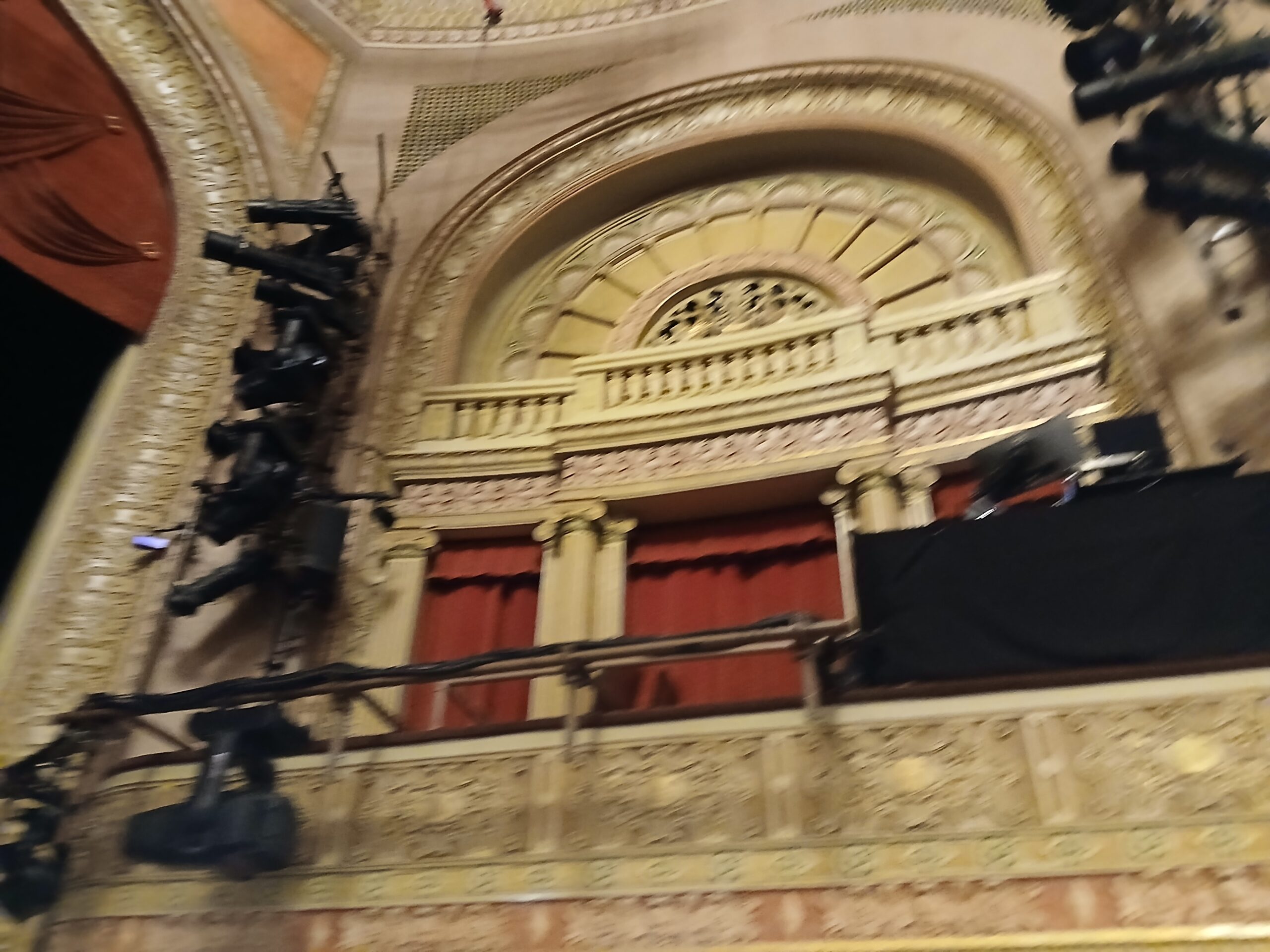
Barrymore Theatre Seating Chart: How the House Is Laid Out
The Barrymore Theatre capacity is 1,058 seats, per the Shubert Organization, in four parts. Just over half the house is on the orchestra level, and the mezzanine is split into a compact front section and a larger rear one.
How to Read the Ethel Barrymore Seating Chart
Some third-party sites show a slightly different total, from about 1,056 to 1,096, so this guide uses the Shubert figure. Whatever you book, check the map at checkout: production layouts and price zones can differ.
Ethel Barrymore Theatre Orchestra Seats
The orchestra holds 582 seats. It is the closest level to the stage, the strongest for facial detail, and the only one reached without stairs.
The safest premium choice. Roughly rows E through J put you close enough to read expressions and far enough back to take in the whole stage. If the performance is the reason you are going, start here.
Very close, which is exciting, but you may spend the night looking up and can miss action at the edges of the stage. A few rows back in the center is usually the better seat.
Fine in a house this size, but compare the price with front mezzanine center before you buy. Check the seat view for any overhang from the mezzanine on the rearmost rows.
Seats next to the center block work well. Seats at the outer edges, especially toward the front, put you at an angle to the stage. Check the view before buying discounted side seats.
Aisle seats next to the center block add legroom and easy access without giving up the view, which is a sensible pick for a longer show.
Ethel Barrymore Theatre Front Mezzanine Seats
The front mezzanine is compact: 196 seats in rows A to E. It sits above the orchestra and is one of the best-value sections in the house, particularly at the center.
An elevated, balanced view of the whole stage at a modest height, often priced below premium orchestra. If you care about staging and ensemble scenes as much as faces, this can beat a rear orchestra seat.
Seats beside the center block keep most of the benefit, and they are a practical fallback when center is sold out or priced up.
The outer seats angle toward the middle of the stage. Choose the seats closest to center, and check the view before buying the edges.
Getting to the mezzanine takes three flights of stairs, about 30 steps. See the accessibility section below before booking for a group with mixed mobility.
Ethel Barrymore Theatre Rear Mezzanine: Is It Too Far?
The rear mezzanine is the budget tier and the most distant section. The sightlines are generally clear, but facial detail drops off, which matters more at a play than at a big musical.
Box Seats
Once you know the section you want, compare prices across it before you buy. The ticket listings at the bottom of this page come from a third-party marketplace, so prices can run above face value.
Accessible Seating and Stairs at the Ethel Barrymore Theatre
- The orchestra is step-free. All wheelchair spaces and companion seats are in the orchestra, and the mezzanine is not step-free.
- The Shubert Organization lists five wheelchair spaces, in rows L and N, with companion seats in rows K, L and N, so accessible seating sits several rows back rather than at the front. It also lists eleven aisle seats with folding armrests for guests who can transfer.
- The mezzanine is three flights, about 30 steps, with the entrance behind row E of the front mezzanine. Inside, expect about two steps per row, with handrails at the end of each stepped row.
- There is no elevator or escalator. If stairs are a problem for anyone in your party, book the orchestra.
- One unisex wheelchair-accessible restroom is on the main floor with no steps. The other restrooms are down two flights, 20 steps.
- Infrared assistive listening devices are available at every performance. Captioning and audio description begin four weeks after opening night, and live CART captioning can be arranged before that on request.
For the full picture of services and planning, see the Ethel Barrymore Theatre guide and our Broadway accessibility guide.
Ethel Barrymore Theatre Seating by Visitor Type
Both give a clear, well-proportioned view of the stage. See the first-time visitor guide for broader planning.
An elevated full-stage view that is often priced below premium orchestra.
Close, comfortable and step-free. More ideas in our Broadway date night guide.
Check the rush and lottery guide and the last-minute ticket guide before defaulting to the back.
The orchestra is the only step-free level. Contact Shubert Audience Services to arrange accessible seating.
Avoid far sides, boxes and partial-view listings, and compare rear orchestra with front mezzanine center before buying.
Seats to Think Twice About
- Far side orchestra. Pushes your sightline off the main axis of the stage.
- Orchestra rows A to C. Very close, with an upward angle and a narrower view of the whole stage.
- Far side front mezzanine. The angle is stronger than the price suggests.
- Sides and far back of the rear mezzanine. Distance combined with angle.
- Boxes. Atmospheric, but angled. Look for partial-view labels.
- Partial-view or limited-view listings. The label is accurate.
- The mezzanine, if stairs are a concern. About 30 steps, plus steps within each row.
- Assuming any orchestra seat beats the front mezzanine. Rear orchestra is not automatically better than front mezzanine center.
Seating and the Show You’re Booking
The section advice above holds for any production at the Barrymore, because the house itself doesn’t change. What does change is the set, the staging and the price zones: a production can mark extra seats as partial view, put action at the edges of the stage, or price the front mezzanine above the rear orchestra. Check the seat map and any view notes for the specific show at checkout. For what’s playing now and how tickets work, see the Ethel Barrymore Theatre guide and the Broadway shows hub.
Ethel Barrymore Theatre Seating Chart FAQ
The Shubert Organization, which owns the theater, publishes a seating chart on its Barrymore Theatre page, and ticketing sites show their own version at checkout. Use the map at checkout as the final word, since production layouts and price zones can differ.
The house has four parts: the orchestra (582 seats), the front mezzanine (196 seats, rows A to E), the rear mezzanine (256 seats) and the boxes (24 seats). In the orchestra, the center block is numbered 101 to 114 and the side sections use lower numbers. The mezzanine is reached by stairs, with the entrance behind row E of the front mezzanine.
Center orchestra, roughly rows E through J, for close-up detail and a full view of the stage, and front mezzanine center for the best value and an elevated full-stage picture. Center matters more than being close: a mid-center orchestra seat usually beats a closer seat at the far side.
Neither is always better. The orchestra gives the most facial detail and is the only step-free level. The front mezzanine gives a balanced, elevated view of the whole stage, often at a lower price. The rear mezzanine is the budget option and the most distant. If stairs are a concern, choose the orchestra.
It is the most distant section, but the sightlines are generally clear. Center seats and the front rows of the rear mezzanine are the most workable. Expect less facial detail, especially at a play. Compare the price with front mezzanine center before you commit, because the gap in experience is often larger than the gap in price.
Yes. It is a compact section of 196 seats in rows A to E, and its center seats give a full view of the stage from a modest height. Side seats angle toward the center of the stage, so choose center or center-adjacent seats when you can.
Usually only for the atmosphere or a lower price. Boxes sit along the sides of the house and give an angled view, and far side orchestra and mezzanine seats can point you away from the middle of the stage. Look for partial-view or limited-view labels before you buy.
The Shubert Organization lists 1,058 seats: 582 in the orchestra, 196 in the front mezzanine, 256 in the rear mezzanine and 24 in the boxes. Some third-party sites list totals between 1,056 and 1,096, so use the Shubert figure as the reference.
Three flights, about 30 steps, with the entrance behind row E of the front mezzanine. Inside, there are about two steps per row, with handrails at the end of each stepped row. There is no elevator or escalator, so book the orchestra if stairs are a problem.
All wheelchair spaces and their companion seats are in the orchestra, which is step-free. The Shubert Organization lists five wheelchair spaces, in rows L and N, with companion seats in rows K, L and N, plus eleven aisle seats with folding armrests for guests who can transfer. Contact Shubert Audience Services at 212-944-3700 or audienceservices@shubertorg.com to arrange seating.
Think twice about far side orchestra and far side front mezzanine seats, orchestra rows A to C if you dislike looking up at the stage, the sides and far back of the rear mezzanine, boxes if you want a straight-on view, and any partial-view or limited-view listing. Also compare rear orchestra with front mezzanine center before assuming the orchestra is better.
The sections and seat counts stay the same, but sets, staging and price zones change with each production, and some productions mark extra seats as partial view. Check the map and any view notes for the specific show at checkout.
Choosing Your Seats at the Barrymore
For most visitors it comes down to center orchestra for the closest experience or front mezzanine center for the full picture and better value. Book the orchestra if stairs are a concern, avoid chasing the cheapest distant seat, and check the map for the specific production before you buy.