

Beacon Theatre Seating Guide
Where to sit for concerts, comedy, and every kind of live show — orchestra versus loge versus balcony, what each level actually feels like, and how to choose without overpaying.
Beacon Theatre is not a stadium. That sounds obvious, but it changes everything about how to approach seat buying here. This guide functions as the Beacon Theatre seating chart, beacon theatre seating chart nyc, beacon seating chart, beacon nyc seating chart, and Beacon Theatre seating plan in one place — some fans search the venue as “beacon theater” (single “a”), which returns the same room, same beacon theater seating chart, beacon theater new york seating chart, beacon theater ny seating chart, beacon theater nyc seating, and beacon theater chart described throughout this guide, sometimes written beacon theatre new york ny seating chart. At just under 3,000 seats across four levels in an 1,100-seat-wide ornate 1929 room, even the upper balcony puts you in a different relationship with the performance than the nosebleeds at an arena would. The stage is right there. The room is intimate. The acoustics are real. The tradeoffs between sections are more about angle and perspective than about fundamental access to the show.
That said, seat choice still matters at Beacon. The difference between a front loge seat and a rear upper balcony seat is real and worth thinking through. The soundboard obstruction in the rear center orchestra is worth knowing about before you book. The overhang relationships between levels affect sound in ways that are relevant if audio quality is your priority. This guide explains all of it — the permanent room structure, the section-by-section tradeoffs, and how the best seat shifts depending on what kind of show you are attending and what kind of experience you are buying.
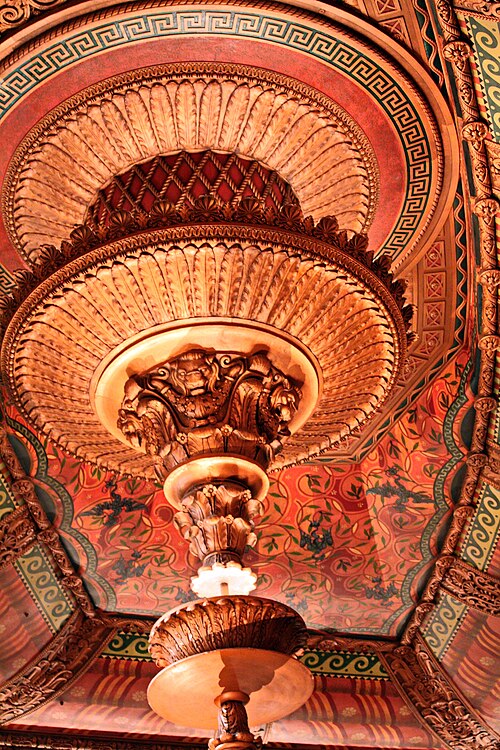
Interior view of Beacon Theatre, a strong fit for a seating guide because it shows the room’s scale and layered seating layout.
Quick Answers — Where to Sit at Beacon Theatre
Elevated above the orchestra floor with a direct, unobstructed sightline to the stage. Close enough for performer detail, high enough for full-stage perspective. Consistently the most praised seats in the building.
Side sections of both balcony levels have unobstructed sightlines and lower prices than center. If budget is the priority and you want a real view rather than a partially blocked angle, balcony side beats center orchestra rear.
The first ten rows of the center orchestra put you right in the energy. Loge rows A–C give you the full stage picture from the optimal elevation. Both work; the choice is immersion vs. perspective.
Comedy and interview-format shows reward seeing the performer’s face clearly. Center sections in either the orchestra or loge deliver the visual connection that matters more for these shows than for music.
The upper balcony is the price floor of the venue. Side sections have unobstructed views at the lowest cost. Avoid seats explicitly listed as partial view, which can appear on both sides and in some center-rear positions.
The orchestra is the only level without stairs. All elevated levels — loge, lower balcony, upper balcony — require stair access. There are no public elevators in the Beacon. If stairs are a concern, orchestra is the right choice; contact the accessibility services department before purchasing.
How Beacon Theatre Is Laid Out
Beacon Theatre is a traditional three-tier theater on the Upper West Side of Manhattan, built in 1929 and designated a National Historic Landmark in 1979. The ornate interior — Greek goddess sculptures flanking the proscenium, gilded moldings, painted murals, a ceiling that still stops first-time visitors — is not incidental to the experience. This is a room that was built to be seen, and that visual richness is part of why attending a show here feels different from attending one in a purpose-built arena or a black-box venue.
The room seats approximately 2,894 across four levels — the number behind every beacon theatre new york capacity, beacon theater nyc capacity, and beacon theater capacity search. The beacon theater layout and beacon theater map both refer to the same four-tier structure described in this section: the stage is at the front of the hall; the orchestra occupies the main floor; the loge sits just above and behind the orchestra; and the lower and upper balconies rise above the loge in two successive tiers. All levels are oriented toward the same proscenium stage — this is not a multi-configuration venue or a room where the stage moves around. What changes is how high you are and how close you are to the front. For a beacon theater seat map or beacon theater seat views specific to your row, use the interactive tool on the ticketing platform rather than relying on general level descriptions alone — a beacon theater view from my seat photo can confirm the exact angle before you buy.
One key structural relationship shapes the whole room: the loge overhangs the rear of the orchestra, and the lower balcony overhangs the orchestra even further forward (at approximately row M or so). This creates real implications for sound in the covered seats — something that matters to audiophiles and to specific kinds of music shows. It also means that “orchestra” is not uniformly the best position just because it is the lowest level. A rear orchestra seat under two overhangs is a different listening experience from a front loge seat in open air.
Seat numbering follows a specific pattern on the beacon theater seating plan: even seat numbers on the right side of the venue (as you face the stage), odd seat numbers on the left. Lower seat numbers in any section are closer to the center of the venue. This means that seat 1 on the left side and seat 2 on the right side are both closest to the center — a detail that matters when comparing two seats that are listed at the same row and price on any beacon theater seating chart with seat numbers or seat number beacon theater seating chart lookup. For beacon theater seating view questions generally, the level-by-level breakdown below covers what each tier actually delivers.
The Seating Levels — What Each One Actually Delivers
The orchestra is the main floor of the theater — the seats between the stage and the back wall at ground level. The center orchestra sections run from AA at the front (the very first rows) through to Y at the rear. Left and right orchestra sections are slightly narrower and start from around row H. The front sections of the orchestra put you genuinely close to the stage — these are the seats where you can read the performers’ expressions, feel the physical presence of the instruments, and be inside the energy of the show in a way that elevated seats cannot quite replicate.
The orchestra’s main tradeoff is the rear. Center orchestra rows S through Y are where the soundboard sits — and the soundboard obstructs sightlines for most seats in those rows of the center sections. This is not a subtle issue: the soundboard is a significant structure and it is specifically the center orchestra rear where it matters. If you are looking at center orchestra tickets and the row is in the S–Y range, be aware of this obstruction. Side orchestra seats at the same rows are not affected by the soundboard.
The loge hangs over the rear of the orchestra as well, creating a covered area that affects sound in the back rows. Practically: the further back in the center orchestra you go, the more your view and sound experience diverge from the seats in front. This makes mid-orchestra — roughly rows E through N — the optimal zone for most buyers who want orchestra-level proximity without the rear-row complications.
The loge is the first elevated level above the orchestra floor, sitting at the back of the lower tier before the balconies begin above it. It is consistently cited as the best overall seat position at Beacon Theatre — and for good reason. The loge provides an elevated angle to the stage that lets you see the full performance space without being so far away that the performers read as distant. The first two or three rows of Loge Center are especially praised: close enough to the stage that performers are clearly visible, elevated enough that the sightline is unobstructed and the full stage picture is visible, and not subject to the soundboard obstruction that affects the rear orchestra.
The loge does have one acoustic nuance worth knowing: the lower balcony overhang covers loge rows roughly C through J. Visually, this creates no problem — the sightline remains clear throughout. For sound-sensitive listeners, the covered rows under the overhang can produce a noticeably different audio experience than the front open rows. Audiophiles who prioritize sound above sightline sometimes prefer loge row A or B specifically to stay out of the covered zone.
Overall, the loge offers a generous combination of perspective, proximity, and price that makes it the recommended choice for most buyers at most shows. If the first few rows of the center loge are within budget, they are arguably the best seats in the house.
The lower balcony is the first tier of the elevated upper section, positioned above the loge and below the upper balcony. It has relatively few rows — only about five per section — which means the price difference between the front and back of the lower balcony is small, but the view difference is meaningful. Front rows of the lower balcony center provide a strong elevated angle to the full stage and are a legitimate value alternative to front loge seats at often lower pricing.
The lower balcony overhangs the orchestra at approximately row M — which is part of why rear orchestra seats feel somewhat closed in. For balcony attendees, this overhang is above you, not over you, so it does not create any visibility or sound issues at this level. Side sections of the lower balcony are consistently noted for having unobstructed sightlines and are among the better budget plays in the building if center-section pricing is high for a given show.
The upper balcony is the highest and most affordable level at Beacon — the budget position of the venue. It sits significantly above the stage and the lower levels, and the distance and height are real. This is not a section where you should expect the visual intimacy of the loge or even the lower balcony. At the same time, the Beacon is not an arena — even from the upper balcony, you are in a room where the performer is visible and the acoustics still function. The Sphere Immersive Sound system, which MSG has installed at the venue, also contributes to sound distribution in a way that benefits higher seating levels more than in older acoustic-only rooms.
Side sections of the upper balcony are the best-value specific positions at this level: the sightlines are unobstructed even at the outer edges, pricing is at the floor, and you are still in the same room. Center upper balcony works for some buyers depending on the show type — audio-first music fans often find the elevated perspective workable. Avoid seats explicitly listed as partial view anywhere in the upper balcony, as these do have genuine obstructions.
Best Seats at Beacon Theatre — By Category
Best overall seats in the building
The front rows of Loge Center are the consensus best seats at Beacon Theatre. The elevation places you above the orchestra floor with a clear, direct sightline to the full stage. The distance to the stage is close enough that performers are clearly visible — not a distant silhouette — but far enough back that you see the production as a whole rather than just the front edge of it. These rows are also above the rear-orchestra complications (soundboard, overhang effects) while still being well below the balcony tiers. For most shows, most buyers, this is the target.
Best premium splurge
The very front of the center orchestra — rows AA through E — puts you about as close to the stage as a seated ticket gets at Beacon. For shows where proximity is the point (a residency with a beloved artist, a bucket-list performance, a comedy show where you want to be in the room with the energy) these seats deliver the physical immediacy that elevated seats cannot. The viewing angle is slightly upward to the stage, and you are inside the show rather than observing it from above. Worth the premium for the right performance.
Best value
Side sections on both balcony levels — lower balcony left/right, upper balcony left/right — consistently offer the best price-to-view ratio at Beacon. These sections price below center and, according to multiple verified fan reviews and seating guides, have unobstructed sightlines even at the outermost positions. The stage is visible, the room is genuinely the Beacon, and the budget is preserved. One important filtering step: check whether any specific seat you are considering is listed as partial view; that designation appears on some side seats and indicates a real limitation. Non-partial-view side balcony is a different, good option.
Best seats for comedy and spoken-word shows
Comedy and interview-format shows — stand-up, podcast recordings, award shows, speaking events — change what the best seat is. The visual priority shifts from seeing the full stage picture to seeing the performer’s face clearly and feeling connected to their delivery. For these shows, being in a center position and not too far back matters more than elevation. Mid-orchestra center or front loge center both serve this well. Side seats at any level lose the face-on connection that comedy rewards.
Orchestra vs Loge vs Balcony — The Real Comparison
The three main positioning choices at Beacon Theatre serve genuinely different experiences. Here is how they compare honestly across the factors that matter.
| Section | Distance to Stage | Sightline Feel | Sound | Best for |
|---|---|---|---|---|
| Front Orchestra Rows AA–L center | Closest in the building | Stage-level, slightly upward angle. Immersive but you see the front of the stage more than the full picture. | Strong; open air, no overhangs | Immersion, premium proximity experiences, shows where being inside the energy matters |
| Rear Orchestra Rows S–Y center | Further back at floor level | Soundboard obstruction in center sections is real. Side rear orchestra is fine. | Under overhangs; can be affected | Avoid center S–Y. Side rear orchestra OK for budget floor seats without obstruction. |
| Loge Center Rows A–C (open air) | Mid-distance, elevated | Clear, elevated angle; full stage visible; unobstructed. The best balanced sightline. | Open air rows A–B; under overhang from row C onward | Most shows; the best all-around seat for buyers who want view quality and value in one |
| Loge Center Rows D–J (under overhang) | Mid-distance, elevated | Still clear sightlines; same elevated view | Under lower balcony overhang; some sound difference in deeper rows | Good for most shows; audio-sensitive buyers may prefer rows A–C |
| Lower Balcony Center Rows A–E | More elevated, slightly further | Good angle on the full stage; slightly more removed than loge | Generally clear; above overhang | Value alternative to loge; works well for any show; front rows of LB center are strong |
| Upper Balcony Rows A–J, varies | Furthest from stage | Full room visible; distance is real. Still the Beacon, not an arena. Partial-view designations exist — avoid those. | Clear at this height; Sphere Sound helps | Budget seats; audio-first music fans who want to be in the room; buyers who want the cheapest real ticket |
The front orchestra is the closest position; the front loge is the best-angle position. These are meaningfully different experiences. In the orchestra you are inside the show — the energy, the volume, the immediacy. In the loge you are looking at it, but the view is cleaner and the full stage production is visible at once. For most shows, most buyers end up preferring the loge view after they have experienced both. For shows where atmosphere and physical presence are the point, orchestra proximity wins. Knowing which one you are buying before you book is the most useful thing this guide can help you with.
Best Seats by Show Type
Concerts — music-first
For concerts, the best seat decision depends on whether you value the full production view or the physical experience of proximity. Front loge center (rows A–C) provides the complete stage picture — lighting, set design, the performers in context — at an elevation that makes the production legible as a whole. Center orchestra front ten rows deliver immersion and proximity but may cut off some of the top of the staging. For artists who move a lot, use the full stage, or have elaborate production design, loge slightly edges out front orchestra. For intimate singer-songwriter shows where the performance is primarily one person at a microphone, front orchestra is hard to beat.
Comedy and stand-up
Comedy shows reward being center and not too far back more than any other show type at Beacon. The difference between a great comedy experience and a less connected one at this venue is largely about the visual relationship with the comedian. Center orchestra rows E through N, or front loge center, deliver the face-on connection that makes comedy shows feel like personal events rather than performances you are watching from a distance. Avoid side positions for comedy if you have a choice — the angle from the sides creates a profile view of the performer that changes the experience considerably.
Podcast recordings and interview-style shows
These events — which the Beacon hosts regularly, from The Read to live podcast tapings and similar programming — put the emphasis on hearing and seeing the hosts clearly, and on feeling the room’s energy around you. Center sections at any level work well; the loge is particularly good because you are looking slightly down at the stage rather than slightly up, which suits a conversational format where two or three people are seated at a table or desk. Sound is more important than proximity for these shows, which makes the covered overhang rows of the loge less ideal for audio-sensitive attendees.
Holiday and special programming
Beacon hosts recurring special events including holiday shows, benefit concerts, and productions that use the full theatrical capabilities of the room. For these events the loge and lower balcony often have an advantage — the elevated angle lets you see staging elements (lighting rigs, set pieces, multiple simultaneous performers) that may be harder to read from floor level. For elaborate theatrical shows, the “looking at it” vantage of an elevated section is often genuinely better than the “inside it” feeling of the front orchestra.
Is the Balcony Worth It at Beacon Theatre?
The honest answer is: it depends on the show and on what you are willing to experience. The upper balcony at Beacon is not an arena upper deck. The distances are real but not punishing in the way that the back rows of a 20,000-seat venue would be. You are still in the Beacon Theatre — an intimate room with genuine acoustics, an ornate ceiling, and a performing history that you can feel in the space.
Where the upper balcony works well: audio-first shows where sound quality matters more than performer proximity. Music fans who care deeply about what they hear and less about what they see from close up sometimes prefer balcony positions for the cleaner, less physically immersive listening experience. The upper balcony also delivers the most complete visual experience of the room itself — the full ceiling, the full stage, the full sense of Beacon as an architectural event. For a first-time visitor who wants to see what the Beacon is before deciding where to sit next time, the upper balcony provides that overview.
Where the upper balcony is a harder sell: comedy and spoken-word shows where facial expression and connection to the performer matter. Very high-energy concerts where the physical energy of the room is part of what you came for. Shows where the lighting and staging are complex and you want to be inside the effect rather than observing it from height. For these, spending up to the loge or at least the lower balcony is worth the price difference.
If the upper balcony is the choice, focus on side sections with confirmed unobstructed views, and avoid any seats listed as partial view. The side sections of the upper balcony have better sightlines than some buyers expect — the Beacon’s bowl shape means the outer positions on the upper level still face the stage directly. The seats that disappoint are not the edge seats but the partial-view-listed seats in any section, which do have genuine obstructions.
Accessibility — What You Need to Know Before Buying
The most important thing to know about Beacon Theatre and accessibility: there are no public elevators in the building. The theater opened in 1929 and is a designated National Historic Landmark, which limits structural modifications. The orchestra level is the only level that does not require stairs. All elevated levels — loge, lower balcony, upper balcony — require stair access to reach.
For visitors who cannot use stairs or have significant mobility limitations, this means orchestra-level tickets are the practical option. This is not ideal for sound quality in the rear rows (see the soundboard section above), but the mid-orchestra is still a genuinely good seat — particularly the center sections in rows around E through N, which provide solid sightlines without the rear-row complications.
Beacon Theatre does offer official accessibility services. Per the official MSG seating information, available services include wheelchair accessible seating, designated aisle transfer seats with companion seats, accessible restrooms, and assistive listening devices. For specific accessible seating inquiries or to discuss your needs in advance, contact the Beacon Theatre Accessibility Services Department directly at 212.465.6085. This is the right channel for any question about what is available, how to book, and what accommodations the venue can make.
If accessibility is a primary consideration for your visit, contact the accessibility services department before purchasing tickets rather than after. Accessible seating is limited and may not be available for all events at all price points through standard purchase channels. Advance arrangement is recommended for any specific accommodation needs.
Getting There — Arrival Strategy
Beacon Theatre is at 2124 Broadway, between West 74th and West 75th Streets on the Upper West Side. The nearest subway station is 72nd Street, served by the 1, 2, and 3 trains on the west side and the B and C trains at 72nd Street/Central Park West nearby. From the 72nd Street/Broadway stop, the theater is about a 2-block walk north along Broadway. From Midtown, the 1, 2, or 3 from Times Square makes the trip in roughly 10–15 minutes depending on the service.
Arrive early — 30 to 45 minutes before showtime is the right window. The Beacon’s entry and lobby experience are part of the night: the tiled lobby, the two-story circular interior, the brass staircase railings are worth taking in before you find your seat. The venue fills meaningfully before curtain, and navigating to elevated levels takes longer than new visitors sometimes expect. Loge and balcony sections require walking through the lobby and up the staircases, which can involve some queuing on busy nights.
Travel light — Beacon Theatre has bag policies in place, and coats and bags in full seats can affect your own and your neighbors’ comfort in what is, by design, an intimately scaled room. The Upper West Side neighborhood surrounding the venue has strong pre-show dining and bar options within a few blocks of the theater, making a pre-show dinner on the neighborhood a practical and pleasant option before any performance.
Food and Drink — What to Know
Beacon Theatre has concession stands with snacks and beverages available inside the venue. Cooked food is not currently sold. Alcohol is available. The practical implication: if you want a real meal as part of the evening, plan to eat before you arrive rather than relying on venue concessions. The Upper West Side has good pre-show dining options within walking distance of the theater.
Outside food and beverage — including water — is prohibited per the official venue policy. This is worth knowing specifically because some visitors assume they can bring a water bottle for a long show. The prohibition applies to all outside food and drink including sealed non-alcoholic beverages. Venue concessions offer drinks for purchase inside.
Hotel Beacon (2130 Broadway, directly adjacent to the theater) is the official hotel partner for the Beacon Theatre. For overnight visitors who want the most convenient stay in relation to the venue, Hotel Beacon is the obvious call — exiting the theater and being in your hotel within a minute is a specific kind of convenience that matters for late evening shows.
Who Should Buy Which Seats
Frequently Asked Questions
Beacon theatre best seats, best seats at the beacon theater, best seats at beacon theater nyc, and best seats beacon theater all point to the same answer. The most consistently recommended seats are Loge Center rows A through C — an elevated position with a clear, unobstructed sightline to the full stage, close enough for performer detail and high enough to see the full production. For buyers who want the closest floor-level seats, center orchestra rows AA through roughly L are the front-of-house premium. For the best value, side balcony sections — lower or upper — with non-partial-view designations deliver strong sightlines at the lowest prices. This holds across most beacon theater concerts, not just one genre or artist.
For most buyers and most shows, yes — the front loge provides a better overall viewing experience than mid-to-rear orchestra. The elevated angle delivers a clean sightline to the full stage, the soundboard obstruction that affects center orchestra rows S–Y is not a factor in the loge, and the overhang from the balcony above is less affecting in the front loge rows (A–B). The exception is the very front of the orchestra — rows AA through roughly E — which delivers proximity and immersion that elevated seats cannot replicate for shows where that physical closeness is the point.
They are workable, and better than you might expect for a venue of Beacon’s reputation — this is not an arena, and even the upper balcony keeps you in a room of under 3,000 seats with genuine acoustics. The lower balcony front rows are genuinely good seats. The upper balcony requires accepting distance in exchange for budget. For music-first buyers who care more about sound than proximity, the balcony can be a real choice. For comedy or shows where facial connection to the performer matters, spending up to the loge is worth it.
Relative to arenas and amphitheaters, yes — Beacon is an intimate room. At approximately 2,894 seats, it is large enough to host major touring artists and small enough that the upper balcony is not genuinely remote. The scale is theater-scale, not sports-venue-scale. The room’s historic architecture and clear acoustics reinforce the intimacy even at capacity. This is one of the reasons seat choice matters here in a way that matters less at a 20,000-seat venue — the difference between sections is noticeable but not dramatic.
Yes. Official accessible seating options include wheelchair accessible seats, designated aisle transfer seats with companion seating, accessible restrooms, and assistive listening devices. There are no public elevators in the building — the Beacon opened in 1929 and is a designated National Historic Landmark. The orchestra level is the only level accessible without stairs. For accessible seating purchase and to discuss specific accommodation needs, contact the Beacon Theatre Accessibility Services Department at 212.465.6085.
Concessions are available inside the venue with snacks and beverages including alcohol. Cooked food is not currently sold. Outside food and beverage including water is prohibited. If you want a real meal as part of the evening, plan dinner before you arrive — the Upper West Side neighborhood around the theater has good restaurant options within a short walk.
30 to 45 minutes before showtime is the right window. The lobby and interior are worth taking in before the show — arriving early is part of the experience at a venue like Beacon. Loge and balcony levels require navigating stairs from the lobby, which takes longer than first-time visitors sometimes expect on busy nights. Arriving early also tends to mean a better pre-show coat check and concession experience, especially for sold-out shows.
Center orchestra rows S through Y — the soundboard obstructs most sightlines in these center sections specifically. Any seat explicitly listed as partial view in any section (these exist on the sides of several levels). Loge rows C through J for audio-sensitive listeners, as these rows sit under the lower balcony overhang with some acoustic effect. The rear, covered sections of the orchestra are functional but neither the best view nor the best sound in the house.
Beacon Theatre Is a Room That Rewards Getting the Seat Right
At under 3,000 seats in an ornate historic room with real acoustics, Beacon Theatre is the kind of venue where good seat choice meaningfully improves the night — and where the tradeoffs between sections are real but not extreme. You do not need to overspend to have a great experience here. The front loge is the sweet spot for most buyers at most shows: better value than premium front orchestra, better sightlines than the rear of the house, and the elevated angle that makes the full production visible in the way that floor-level proximity sometimes does not.
The framework is straightforward: loge front for the best overall view; orchestra front for the best proximity; side balcony for the best value; orchestra level for anyone managing stairs. Know which one fits your show, your budget, and your priorities — and you will leave the Beacon having made the right call before you walked in.