

Wicked on Broadway: Tickets, Prices & Show Guide
The defining musical of the last two decades — a genuine phenomenon that still delivers on its reputation more than 20 years into its run at the Gershwin Theatre.
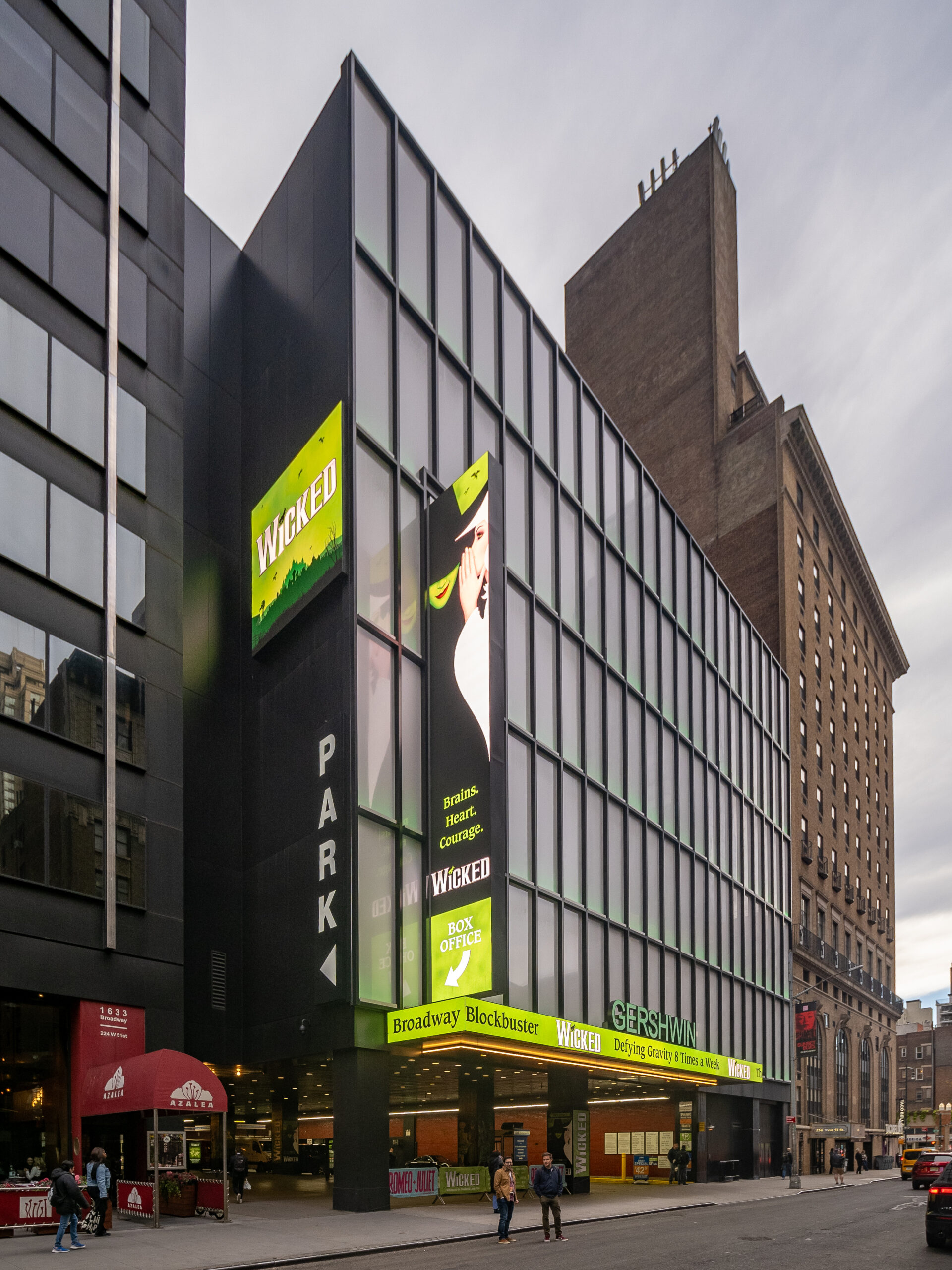
Wicked play tickets remain some of the most consistently in-demand on Broadway, more than two decades after the show opened. It reimagines The Wizard of Oz from the perspective of Elphaba, the future Wicked Witch of the West, and her complicated friendship with Glinda, the future Good Witch — telling a story about ambition, prejudice, and the cost of choosing your own path that has resonated with audiences since 2003. It is playing at the Gershwin Theatre in Midtown Manhattan.
Whether you found this page searching for tickets for the play Wicked, Wicked broadway play tickets, musical tickets Wicked, or just Wicked musical theater generally, this guide covers what to actually expect from Wicked in 2026, who the show is genuinely best for, current ticket strategy including a real update to how the discount ticket landscape works, and everything else worth knowing before you book.
If you are specifically comparing Wicked Broadway tickets, this page also covers the current official ticket seller, the $45 in-person rush, $55 digital lottery, $59 student rate, $79 military rate, where to buy primary-market tickets, and the best seats for Wicked at the Gershwin Theatre.
Why Wicked Still Matters After 20+ Years
Wicked play tickets have stayed in demand for a reason that goes beyond nostalgia or brand recognition: the show earns its ongoing popularity through genuinely strong songwriting, a story that still lands emotionally, and production values that have been maintained at a high level for over two decades. Stephen Schwartz’s score — “Defying Gravity,” “Popular,” “For Good,” “No Good Deed” — has become part of the modern musical theater canon, not just a collection of hits from one show.
What makes Wicked musical broadway tickets worth the demand is the way the show reframes a story everyone already knows. By centering Elphaba — a character the original Wizard of Oz treated as a simple villain — Wicked asks harder questions about who gets labeled “wicked” and why, and does it with genuine emotional stakes rather than just clever premise. That combination of familiar material and real substance is part of why it has sustained an audience for this long.
Elphaba, born with green skin and treated as an outsider her whole life, and Glinda, popular and ambitious, become unlikely roommates at Shiz University. As political tension rises in Oz and the two young women’s paths diverge — one toward rebellion, one toward comfortable power — their friendship is tested by choices neither of them saw coming.
What the Experience Is Actually Like
Wicked is a big Broadway musical in every sense — large cast, elaborate scenic design, a full orchestra, and production values built to fill the Gershwin Theatre’s substantial stage. The Emerald City, the Wizard’s chamber, Shiz University: each setting is rendered with real visual ambition, and the show’s technical elements (the dragon clock, the flying sequences, the falling-monkey imagery) still land as genuine spectacle.
At 2 hours and 45 minutes with one intermission, Wicked is a full evening. The first act builds the world and the central friendship; the second act delivers the emotional and political consequences, culminating in “Defying Gravity” at the act break — one of the most famous single moments in modern musical theater, and reliably the point where the audience response peaks.
Yes — the stage and screen versions are different enough experiences that fans of the 2024 film adaptation still find genuine value in seeing the Broadway production. The live orchestra, the physical scale of the Gershwin’s stage, and the specific energy of a live audience reacting to “Defying Gravity” in real time are not things the film replicates.
Who Wicked Is Best For
Wicked remains one of the safest, most reliably satisfying choices for a first Broadway show — accessible, visually spectacular, and emotionally direct.
Generally appropriate for kids around 8 and up who can handle a nearly three-hour runtime; some of the political themes land better with older children and teens.
The 2024 film brought a new generation of fans to the story — the stage version rewards them with a different, live version of the same material.
The runtime and some darker political themes make this a better fit for kids 8+ than for very young children.
The Current Cast
Previously the standby for Elphaba, Fuller assumed the role full-time in March 2026.
Making her Broadway debut after playing Cher in the West End production of Clueless.
Rounding out the cast
Ellen Harvey as Madame Morrible, Blake Hammond as The Wizard, Carl Man as Fiyero, Jenna Bainbridge as Nessarose, Daniel Quadrino as Boq, and William Youmans as Doctor Dillamond.
Verify current casting on the official Wicked Broadway site before booking — Broadway casts change regularly.
Wicked Broadway Tickets: Prices, Lottery & Where to Buy
Wicked tickets remain some of the most consistently in-demand on Broadway. For primary-market tickets, the official production says the Gershwin Theatre box office and BroadwayDirect share the same ticket inventory; buying in person at the box office avoids online service fees.
The official Broadway production currently lists a $45 same-day in-person rush, a $55 digital lottery, a $59 student rate for select Tuesday–Thursday performances during the current month, and a $79 military rate for select Tuesday–Thursday performances. All are subject to availability and current official terms.
A limited number of in-person rush tickets are offered when the Gershwin box office opens on the day of the performance. Maximum 2 per person; seats may be partial view and availability is not guaranteed.
Runs through Broadway Direct for select performances. The lottery opens at 9am the day before and closes at 3pm; winners have 1 hour to purchase.
Available in person at the Gershwin Theatre box office for select Tuesday–Thursday performances during the current month with valid college or university ID. Limit 2 per ID.
Available in person at the Gershwin Theatre box office for select Tuesday–Thursday performances during the current month with valid military ID. Limit 2 per ID.
Uses the same primary inventory as BroadwayDirect, while in-person purchases avoid online service fees.
Where to Buy Wicked Broadway Tickets
Gershwin Theatre Box Office
The official production specifically recommends the Gershwin box office as a primary source. It uses the same ticket inventory as BroadwayDirect, and tickets purchased in person are not subject to online service fees.
BroadwayDirect
BroadwayDirect is the official online primary ticket source for Wicked. Use it to compare dates, sections, current prices, and availability before choosing a performance.
Does Wicked Have Rush Tickets?
Yes. The official Broadway production currently offers a limited number of $45 in-person rush tickets on the day of each performance when the Gershwin Theatre box office opens. The current limit is two tickets per person, availability is not guaranteed, and rush seats may be partial view. Because discount programs can change, verify the official Wicked ticket information before relying on rush for a specific performance.
Last-Minute and Resale Tickets
Third-party marketplaces can sometimes provide additional inventory for sold-out or near-sold-out performances, but prices, fees, and seat information vary. Compare the final checkout price with primary inventory before purchasing.
How to Find Cheaper Wicked Tickets
If your priority is price rather than a specific seat, the $45 same-day rush and $55 digital lottery are the lowest currently listed official options. Eligible students and military members can also compare their official in-person rates with standard inventory. For fixed dates, larger groups, or specific seats, buying the seat you want through the official primary market is usually more practical than relying on a limited discount program.
When Should You Buy Wicked Broadway Tickets?
If Your Date or Seat Matters Most
Buy earlier once you find a performance and seat location you are comfortable with. Wicked remains a high-demand Broadway show, so waiting for a lower price can mean giving up the section, row, or performance time you actually want.
If You Are Flexible on Weekdays
Compare several performances rather than locking onto a single date. Weekday inventory can give flexible visitors more choices, and eligible students or military members should compare the current official box-office rates with standard ticket inventory.
If Lowest Price Matters More Than Certainty
The $45 same-day rush and $55 digital lottery are the strongest official bargain plays, but neither should be treated as guaranteed inventory. They make the most sense when missing a particular performance would not disrupt the rest of your trip.
This guide covers the Wicked show at the Gershwin Theatre in New York City. Wicked musical touring is a separate national touring production, and a West End production runs in London. If you’re searching for tickets in another city, that’s a different booking entirely.
Best Seats for Wicked on Broadway
The best seats for Wicked depend on whether you want close-up performance detail or the full scale of the production. The Gershwin is a very large Broadway house, and the official production specifically notes that both Orchestra and Mezzanine seats can work well for a visually large show like Wicked.
Best if facial expressions, costumes and close-up performance detail matter most to you.
The elevated perspective is especially useful for seeing the full staging, choreography and scale of Oz.
The official production notes that the back half of the Orchestra is tiered stadium-style, which improves sightlines compared with a flat rear orchestra.
The official production warns that the low safety bar in front of the Mezzanine can make the front row less ideal for shorter patrons and children.
For row-by-row recommendations, value sections, sightlines and seats to avoid, see the Gershwin Theatre seating guide.
Know Before You Go
Nearly three hours — plan dinner accordingly
At 2 hours 45 minutes with one intermission, Wicked is one of the longer Broadway shows currently running. Pre-show dinner is the practical choice for most visitors. See the pre-show dining guide for timing and the restaurants near Broadway guide for options near the Gershwin.
The Gershwin is one of Broadway’s largest houses
Seat selection matters more here than at smaller theaters. For a full section-by-section breakdown, see the Gershwin Theatre seating guide.
Plan the Night Around the Gershwin Theatre
The Gershwin Theatre sits at 222 West 51st Street, close to the heart of the Theater District. See the guide to getting to a Broadway show for transit and parking, and the hotels near Broadway guide if you’re staying nearby.
Frequently Asked Questions
How much are Wicked tickets on Broadway?
Standard pricing varies by performance and seat. The official production currently lists a $45 same-day in-person rush, a $55 digital lottery, a $59 student rate for select Tuesday–Thursday performances during the current month, and a $79 military rate for select Tuesday–Thursday performances.
Does Wicked offer rush tickets?
Yes. The official Broadway production currently offers a limited number of $45 in-person rush tickets on the day of each performance when the Gershwin Theatre box office opens. The current limit is two tickets per person; availability is not guaranteed and seats may be partial view.
Where should I buy Wicked Broadway tickets?
The official production recommends the Gershwin Theatre box office or BroadwayDirect. Both use the same primary ticket inventory, while in-person box-office purchases avoid online service fees.
What are the best seats for Wicked on Broadway?
Center Orchestra is strong for close-up performance detail, while the Front Mezzanine gives a wider view of the staging and choreography. The rear half of the Orchestra has tiered stadium seating, and shorter patrons should be aware of the low safety bar in the front row of the Mezzanine.
Who is in the current Broadway cast of Wicked?
Keri René Fuller stars as Elphaba and Emma Flynn as Glinda, with Ellen Harvey, Blake Hammond, Carl Man, Jenna Bainbridge, Daniel Quadrino, and William Youmans rounding out the principal cast. Verify current casting before booking.
How long is Wicked on Broadway?
Approximately 2 hours and 45 minutes, including one intermission.
What theatre is Wicked in on Broadway?
The Gershwin Theatre, 222 West 51st Street in Manhattan.
Is Wicked on Broadway the same as the touring or West End production?
No. This guide covers the Broadway production at the Gershwin Theatre. Wicked also runs as a separate national tour and a West End production in London — different bookings entirely.
The Bottom Line on Wicked
More than 20 years into its run, Wicked remains one of Broadway’s most reliably rewarding shows — a genuine phenomenon that has earned its longevity through real craft rather than momentum alone. For first-time visitors, families with older kids, and fans of the film adaptation looking for the live counterpart, it remains one of the current season’s strongest recommendations.
For help planning the rest of the evening, the pre-show dining guide and the Theater District neighborhood guide are the right places to start.