

Broadway Seating Guide: How to Choose the Right Seats
A practical guide to choosing Broadway seats based on budget, view, show type, and the kind of theater experience you’re actually after.
Ask someone where to sit on Broadway and you’ll usually get one of two answers: “front row” or “center orchestra.” Neither is wrong exactly, but neither is the full picture. The right Broadway seat depends on what show you’re seeing, what kind of theater it’s in, how much you’re spending, and what you actually want out of the experience — closeness, perspective, value, or something in between.
This guide breaks down how to find the best seats broadway has to offer, clearly and practically, so you can make a better decision before you buy rather than spending the first act wishing you’d sat somewhere else.
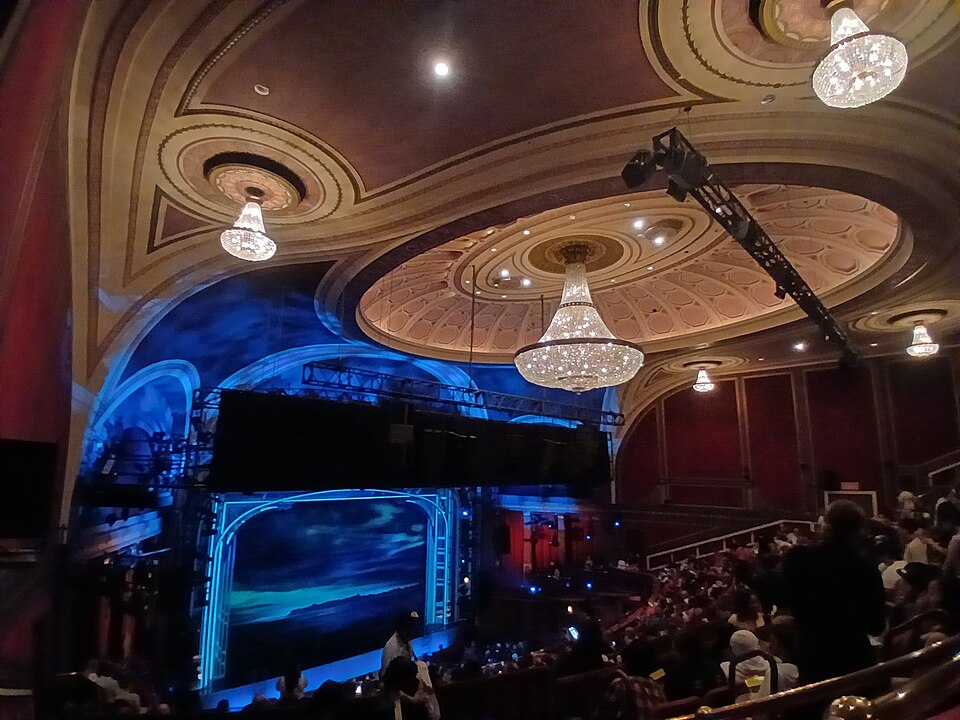
Orchestra vs mezzanine on Broadway
The orchestra is the ground-level section — on the same floor as the stage. The mezzanine is the elevated level above it. Most Broadway theaters have both, and a handful have a third level called the balcony above the mezzanine. The question of which is better is not one question — it’s two: better for what, and better in which theater?
Orchestra seats give you proximity. You feel in the room with the performers. You can read facial expressions, see costume detail, and sense the physical scale of the production. The drawback is perspective: in a large Broadway house, sitting too close to the stage means you lose sight of the whole picture — particularly choreography, set design, and anything happening above eye level.
Mezzanine seats give you elevation. You lose some intimacy but gain a complete view of the stage. In shows built around visual scale — large ensembles, elaborate set pieces, complex lighting design — the mezzanine often delivers a better experience than the orchestra even at comparable or lower prices. The front mezzanine center is genuinely one of the best seats in the house for most major Broadway musicals.
One practical note: most Broadway theaters do not have elevators. If you or anyone in your party has mobility considerations, the orchestra is almost always the better option regardless of what the mezzanine view might offer. The Broadway theaters section has details on individual house accessibility.
When center orchestra is worth it
Center orchestra is where Broadway sells its most expensive non-premium seats, and for good reason. Rows D through H in the center section of most houses give you the right combination of proximity and perspective — close enough to see the performers clearly, far enough back that the stage reads as a whole picture rather than a cropped fragment.
This is the seat for a show where the performance itself is the thing — a star-driven revival, an intimate play, a production where the acting and the music matter more than the spectacle. For Death of a Salesman, Every Brilliant Thing, or a straight play with a small cast, center orchestra is the right call. You’re in the room with the actors in a way the mezzanine doesn’t replicate.
The caveat is in large Broadway houses. At the Gershwin — Broadway’s biggest theater, home of Wicked — sitting too close in the orchestra means the massive scenic design gets cut off above you. The giant dragon hanging above the Gershwin stage reads better from rows ten to fifteen than from row two. In a house that size, mid-center orchestra is smarter than front-center orchestra.
General rule: In a mid-size or large Broadway house, aim for center orchestra rows D–J for the best balance of closeness and perspective. Row A and B can feel more like being underneath the show than watching it, especially when the set extends upward or action happens above stage level.
When front mezzanine may actually be better
This is the piece of Broadway seating advice that most generic guides miss, or mention briefly and move on: for a large-scale musical, the front mezzanine center is often the best seat in the house. Not a compromise. Not a budget choice. The best.
The reason is that big Broadway musicals are designed to be seen whole. Choreography reads from above. Lighting design — the way color and shadow move across the stage — is more visible from elevation. Set transitions, ensemble formations, and anything involving multiple levels of the stage are all clearer from the front mezzanine than from the front orchestra, where your eye level is at stage level and you lose the vertical dimension entirely.
The Minskoff Theatre, where The Lion King plays, is a particularly clear example. The show’s famous opening procession, in which the full company moves through the house toward the stage, is designed to be experienced in a specific way — and the front mezzanine gives you the read that Julie Taymor intended. The same logic applies at Moulin Rouge!‘s Al Hirschfeld Theatre, where the heart-shaped proscenium and the visual excess of the set is built to be seen as a full picture.
First two to three rows of the mezzanine, seats in the center section. You’re elevated above the orchestra, which means you can see the full width and depth of the stage simultaneously. Most of the time these seats have stadium-style stepped seating, which means the row in front of you doesn’t block your view the way flat orchestra seating can.
Price-wise, front mezzanine center is usually less than premium orchestra center but more than side orchestra. For what you get in a large musical, it’s frequently the strongest value in the house.
Best Broadway seats for value
Value seats on Broadway are not the cheapest seats — they’re the seats where the price-to-experience ratio is strongest. There’s a meaningful difference between a $75 side-center orchestra seat and a $45 partial-view side seat, and understanding that difference is most of what this section is about.
Side orchestra, center rows
Among the orchestra seats broadway offers, the side sections in the middle rows are consistently underrated. If you’re in the first half of the side section (closer to center than to the wall), you have a genuine view of the stage and you paid significantly less than center orchestra. The view is angled but not distorted. For most shows, this is a smart tradeoff.
The further toward the outside wall you go, the more the angle matters. Seats in the last few columns of any side section start to compromise the view of stage-left or stage-right action. Anything listed as “partial view” at the far edges should be treated as exactly what it says.
Rear mezzanine center
The rear mezzanine gets a worse reputation than it deserves. In a large Broadway house with a steeply raked mezzanine — meaning each row is noticeably higher than the one in front of it — the rear mezzanine center still gives you a complete, unobstructed view of the full stage. You’re further away, and facial detail is reduced, but for a spectacle production, that often matters less than the full picture you’re getting.
The practical test: if the show is primarily musical and visual — The Lion King, Aladdin, Wicked — rear mezzanine center is a reasonable value play. If the show depends heavily on performance detail and you want to feel close to a specific actor, it’s the wrong trade.
The best value seats on Broadway are almost always in one of two places: side-center orchestra in the middle rows, or front-to-mid rear mezzanine center. Both give you a real view of the stage at a meaningful discount from the premium center sections.
The seats to be suspicious of are the cheapest listings in any section — particularly side orchestra back rows, extreme side mezzanine, and any ticket marked “partial view” or “limited view.” Those tickets are cheap because something about the view is genuinely compromised. Read the label before you click.
Seats to be more careful with
Most Broadway seats are fine. But a handful of seat types and locations come up repeatedly in negative reviews, and they’re worth knowing before you buy.
The back rows of the orchestra, where the mezzanine hangs above, can cut off your view of anything happening above stage level. In shows with multi-level sets or elevated staging, this matters. Check which orchestra rows sit under the overhang for the specific theater you’re booking.
The outermost columns of side orchestra and side mezzanine sections involve a genuinely angled view. In some productions and theaters this is manageable; in others it means you’re watching a significant portion of the show at a 45-degree angle. Any seat listed as “partial view” at the sides should be treated literally.
Broadway box seats are almost universally on the sides of the theater and almost universally come with partial-view warnings. They can feel special as a setting, but the view is compromised from most of them. Treat any box seat as a partial-view purchase.
Row A in the orchestra of a large Broadway house often means craning your neck upward. In a large musical with vertical set design, sitting at stage level in the front row can shrink the show rather than enhance it. First rows are better suited to intimate plays than to big spectacle musicals.
The front row of a balcony section often has a railing that cuts across the sightline for anyone below a certain height. It’s a known issue in older Broadway houses. The second or third row of the balcony often has a cleaner view than the first.
If a ticket in a major Broadway show is significantly cheaper than everything around it, there’s usually a reason — partial view, overhang, awkward angle, or extreme side placement. Read the seat description carefully before assuming it’s a deal.
How show type changes the best seat choice
The single most useful thing to know about Broadway seating is that the right seat changes by show. A seat that’s perfect for Hadestown at the Walter Kerr Theatre may be the wrong call for Wicked at the Gershwin. Here’s how to think about the best place to sit for broadway show by production type.
Large-scale spectacle musicals
Shows built around visual scale — big ensemble, elaborate sets, complex lighting and staging — are almost always better from some elevation. Front mezzanine center is the strongest choice. Mid-center orchestra works well in rows ten to fifteen. Avoid very front rows, which put you underneath the spectacle rather than in front of it. Current examples: Wicked, The Lion King, Aladdin, Moulin Rouge!
Dance-heavy and choreography-forward shows
For shows where choreography is central — formations, patterns, ensemble movement — you need to be able to see the full stage. Front mezzanine is consistently the strongest seat. Orchestra can work in mid-rows, but you’ll lose some of the overhead read on complex formations. Current examples: MJ, SIX, Buena Vista Social Club.
Intimate plays and smaller-cast shows
For a play that depends on performance — on the specifics of an actor’s face, voice, and physical detail — center orchestra is the better call. The emotional stakes are close-up. You want to be in the room with the performance rather than looking down at it. Current examples: Death of a Salesman, Every Brilliant Thing, Giant.
Shows with immersive or unusual staging
Some Broadway productions use the theater space unconventionally. Harry Potter and the Cursed Child at the Lyric Theatre, for example, uses the full house in specific ways — the theater itself has been redesigned for the production. For shows like this, checking a seating chart specific to that production before buying is worth the two minutes it takes. The Broadway theaters section has house-by-house detail.
For first-time Broadway visitors unsure of the show type, front mezzanine center is the safest default — it gives you a complete view of whatever the production is doing without requiring any specific knowledge of the show.
How to use a Broadway seating chart smartly
Every Broadway theater has its own layout, and seating charts are not interchangeable between houses. The Gershwin is Broadway’s largest theater; the Hayes is one of its smallest. A “rear mezzanine” seat at the Hayes is not the same distance from the stage as a “rear mezzanine” seat at the Gershwin. A broadway theater map that only shows section names glosses over exactly this kind of difference.
When you’re looking at a seating chart before buying, a few things are worth checking specifically. First, look at the total row depth in the section you’re considering — not just the section name. A theater with 30 orchestra rows is a different proposition than one with 20. Second, check where the mezzanine overhang begins in the orchestra section. Most theater-specific seating chart tools will note which rows sit under the overhang. Third, look at the center vs. side alignment of the specific seats — not all “side orchestra” sections are equally angled.
Searches for broadway seat view or view from my seat broadway are really pointing at the same underlying need: seeing the actual sightline before you buy rather than guessing from a section label. Broadway.com’s View From Seat tool and SeatPlan both allow you to see actual photos from specific seat locations in many Broadway houses. Using one of those before buying a seat you’re uncertain about takes about three minutes and regularly prevents the kind of disappointment that’s entirely avoidable.
Best safe bets for most Broadway buyers
If you don’t want to research individual house layouts and just want the broadway best seats recommendation for each situation:
Complete view, strong perspective, works for almost every show type. Usually less than premium orchestra.
Immersive, intimate, best for plays and star performances. Premium pricing in most houses.
Meaningful discount from center with a real, usable view. The inside columns of the side section.
Full-stage view at the lowest price tier. Works better for visual/spectacle shows than intimate plays.
The premium rows in the best houses. Worth it once; consider Tuesday/Wednesday for lower dynamic pricing.
No surprises, complete view, works for any show. The easiest correct choice for someone who doesn’t know the house.
Seating works differently by show and theater
This guide covers the principles that apply across Broadway. But specific theaters have specific quirks — the Walter Kerr’s intimacy is different from the Gershwin’s scale, and the Lyric’s reconfigured layout for Harry Potter is different from both. Once you know which show you’re seeing, it’s worth spending a few minutes with the seating chart for that specific house.
The Broadway theaters section covers individual house layouts and what to know before you book. If you’re still deciding on a show, the Broadway shows section and the resources below can help narrow it down. For date night planning, family trips, or a first visit to Broadway, those guides include seating considerations specific to the shows they cover.
Frequently asked questions
It depends on the show. For large-scale musicals with big staging, choreography, and elaborate sets, the front mezzanine center often delivers a better view than center orchestra — you can see the full stage as it’s designed to be seen. For plays and intimate productions, center orchestra puts you closer to the performance in a way that matters. Neither is universally better; the show type and the specific theater are what determine the right answer.
For a genuinely special occasion — an anniversary, a once-in-a-trip show, a production you’ve waited years to see — premium center orchestra is worth the investment. For a regular Broadway night out, front mezzanine center gives you most of what premium orchestra gives you at a lower price. The premium row designation means you’re paying for the single best seat in the house; whether that’s worth it depends on how important the occasion is.
The strongest budget options are side-center orchestra in the middle rows (angled but with a real view) and rear mezzanine center front rows (further away but with a complete stage view). Both offer meaningful price reductions from premium sections while still giving you a genuinely watchable seat. Avoid extreme sides and any seat listed as “partial view” unless you’ve confirmed the compromise is acceptable for that specific show.
For an intimate play with a small cast, front row center orchestra can be extraordinary — you’re inches from the performance and every detail lands. For a large musical with elevated staging and elaborate sets, front row often means craning upward and losing the big picture. The answer is show-dependent: front row for Death of a Salesman is very different from front row for Wicked.
Read the seat listing carefully — Broadway ticketing platforms are generally transparent about partial-view designations. Beyond that: avoid the extreme outside columns of any side section; avoid box seats unless you’ve confirmed the view is acceptable; check whether orchestra rows sit under the mezzanine overhang for the specific theater; and use the View From Seat tools on Broadway.com or SeatPlan before buying any seat you’re uncertain about.
The best Broadway seat is the one that matches the show you’re seeing, the experience you’re after, and the amount you’re willing to spend. Front mezzanine center is the safest default for most people seeing most shows. Center orchestra mid-rows are worth the premium for the right occasion and the right production. Side-center and rear mezzanine center are underrated options for anyone trying to get into a major show at a more reasonable price.
The one thing that doesn’t help is assuming “closer is always better” or “orchestra is always worth more than mezzanine.” Broadway houses are all different, and the shows inside them are staged differently. Spending five minutes with the seating chart and the specific theater layout before you buy is consistently worth it.
More Broadway Planning Guides
Picked your spring show? Here’s everything else — tickets, seating, dining, neighborhoods, and the full Broadway night out to make it worth the trip.
Broadway Shows Guide
The full current-show hub — everything running on Broadway right now, beyond the spring 2026 picks on this page.
Browse Shows →Broadway Resources Hub
Ticket timing, seating, rush and lottery, first-time tips, and every planning guide Broadway visitors actually need.
All Resources →First-Time Broadway Visitor Guide
Choosing one spring show for a first Broadway trip — what matters, what to avoid, and how to plan the full night.
Start Here →Best Broadway Shows for Date Night
Which spring shows work best as a date-night pick — by mood, energy, and evening-out fit.
Date Night Guide →