

Lucille Lortel Theatre Seating Guide — Best Seats, Mezzanine Warnings & West Village Tips
A practical guide to choosing seats at the Lucille Lortel Theatre on Christopher Street — orchestra vs mezzanine, front-row intensity, small-house sightlines, accessibility, KENREX-specific notes, and how to plan a West Village Off-Broadway night.
The Lortel Is Not a Best-Row Problem. It’s a Sightline Problem.
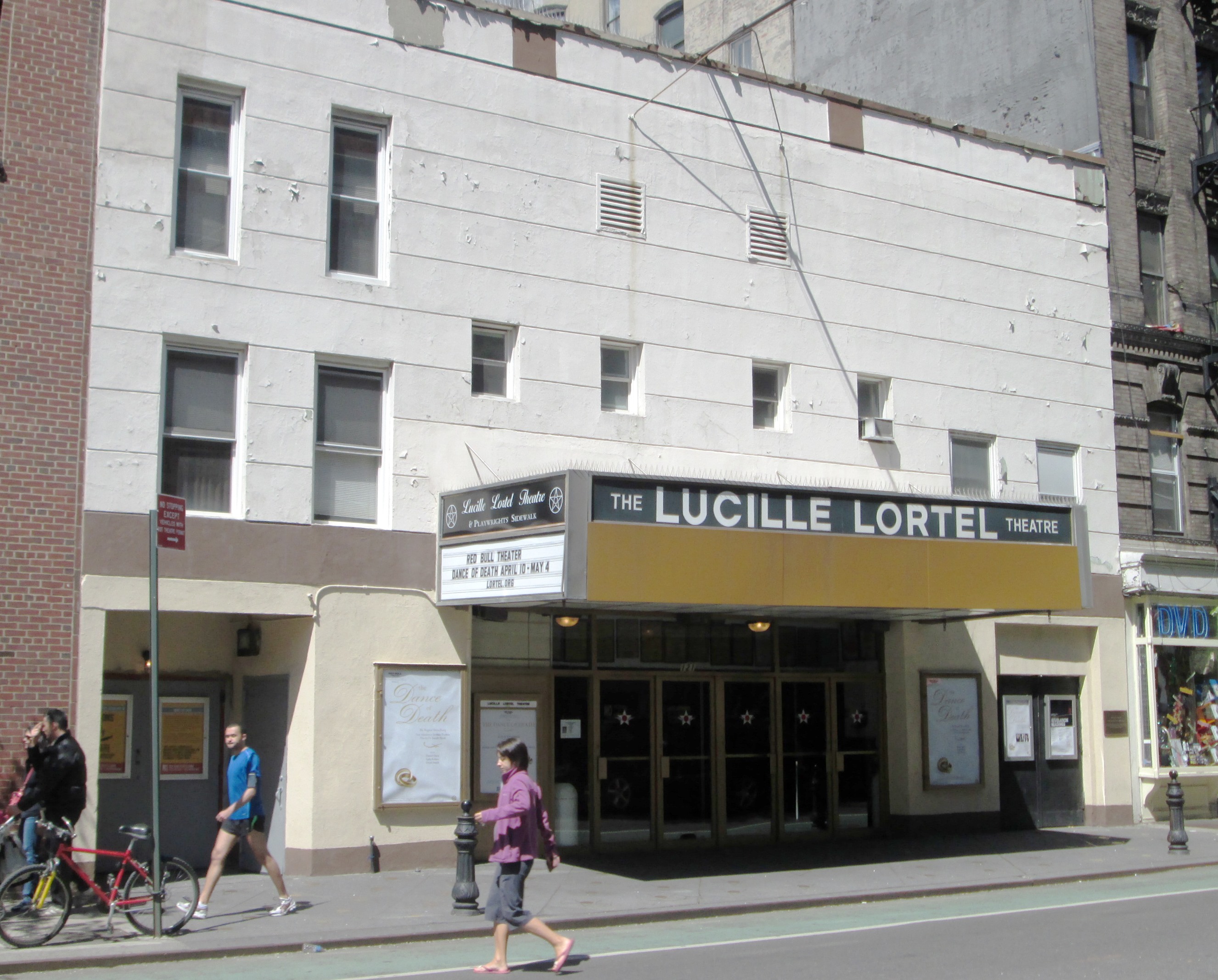
The Lucille Lortel Theatre at 121 Christopher Street is a 295-seat Off-Broadway playhouse in the West Village, operated by the Lucille Lortel Theatre Foundation. It has been an Off-Broadway home since 1953 — one of the oldest and most storied small theaters in New York. The productions here are writing-first, actor-driven, and institutionally serious. This is not a spectacle venue.
At 295 seats, being “far away” is not the central problem at the Lortel. The central problem is rake, head obstruction, and mezzanine angle. In a house this size, a rear orchestra center seat is still close by any Broadway comparison. What separates a good seat from a frustrating one here is not distance — it is whether your sightline is clean or compromised.
That is why center orchestra is the consistent default recommendation, and why the mezzanine — particularly beyond the front row — needs to be treated with real caution rather than assumed to be a bargain tier.
At the Lortel, the best default is not “closest seat available” or “cheapest mezzanine.” For most visitors, center orchestra gives the cleanest balance of actor detail, sound, full-stage picture, and lowest sightline risk. When in doubt, start here and work outward.
Orchestra Seats — The Safest Default at the Lortel
The orchestra is where most visitors should start and, for most productions, where most visitors should sit. The sightlines are more predictable, the rake question matters less, and center orchestra gives you direct access to the kind of close-up actor work that defines the Lortel’s programming.
Front Center Orchestra can be excellent at this theater. Because the stage is intimate and the room is small, front-row positions at the Lortel are not the extreme craning experience they can be in larger houses. For actor-driven or language-heavy productions, sitting close is often the point — you catch everything. Verify stage height and the specific production before committing to the absolute front row, but do not automatically avoid it.
Mid Center Orchestra is the strongest all-around pick. You are close enough for full actor detail, far enough to see the complete stage picture and staging relationships. For most visitors, this is the target zone.
Rear Center Orchestra can be fine at this scale. Because the house is small, even the back of orchestra is not a punishing distance. Head obstruction and rake quality matter more at this position — verify the current official chart if you are uncertain about sightlines.
Side Orchestra can work at a lower price point, but center is preferable when prices are close. Far extreme sides can lose important staging detail if the production uses the full width of the stage.
Mezzanine Seats — Small House, Real Caution
The mezzanine at the Lortel is not far from the stage — the house is small enough that the distance itself is not the problem. The problem is rake, angle, and head obstruction. Multiple public seat-review discussions, audience reports, and seat-photo sources suggest meaningful sightline issues in the mezzanine, particularly beyond the front row. This is not a venue where “small house mezzanine” automatically means “fine.”
Mezzanine row A is the most viable mezzanine position. Front center mezzanine, if available and priced meaningfully lower than orchestra, can be a reasonable tradeoff if you verify the current chart first. Rows beyond row A carry increasing risk of head obstruction and compressed sightlines depending on your height and the person seated in front of you.
Rear mezzanine is a genuine caution zone. Do not treat it as a default value pick. The saving on price may not compensate for a compromised experience at a writing-first, actor-centered production.
- The Lortel mezzanine should not be treated as a guaranteed value tier. It is a small house, but small does not mean all mezzanine seats are good.
- Audience reports and seat-review sources suggest sightline and rake problems beyond mezzanine row A. Treat this as a signal to verify, not dismiss.
- Verify against the current official Lortel seating chart and current production seat map before calling any mezzanine seat safe.
- If center orchestra is available at a similar price, prefer orchestra. The mezzanine tradeoff is only worth making when the price difference is meaningful and the sightline risk is understood.
Best Seats for KENREX at the Lucille Lortel
KENREX is currently listed at the Lucille Lortel for April 16 through June 27, 2026. It is written and performed by Jack Holden and directed by Finn Caldwell. The official listing describes it as a solo true-crime thriller in which Holden moves through dozens of characters while accompanied by a live folk-Americana score. Runtime is currently listed at approximately two hours and fifteen minutes with one intermission.
The current official listing includes content and sensory warnings: haze, flashing lights, strobe lighting, loud noises, gunshot sound effects, depictions of physical violence and death, strong language, and references to grooming, rape, and sexual and physical abuse. Read those warnings carefully before booking, and factor them into your seat and aisle choices if any apply to you or your party.
When a performance is built around one actor switching between many characters — driven by facial expression, vocal shifts, body language, and physical transformation — missing any of that detail changes the night. A compromised mezzanine seat is a worse tradeoff for KENREX than it might be for a broader ensemble production. Center orchestra is the right call here.
Seat Recommendations for KENREX
Center Orchestra, mid-house: The top recommendation. Best balance of sound, full-body performance view, and facial/vocal detail. The live folk-Americana score benefits from being in the room acoustically, not at a distance or angle.
Front Center Orchestra: If you want maximum intensity and detail. Jack Holden’s character work and physical storytelling will be immediate and close. Powerful choice for theatergoers who want to be fully inside the performance.
Mezzanine: Only front/center mezzanine if orchestra is sold out or priced significantly higher. The detail-dependent nature of a solo performance makes the sightline tradeoff riskier than for other show types. Verify before buying.
Sensory sensitivity: The show includes strobe lighting, haze, loud sound effects, and gunshot sounds. If any of these affect you, choose an aisle seat for exit access and consider sitting farther from the stage if sound intensity matters. Contact the box office for the most current sensory guidance for KENREX.
Same-day rush for KENREX is currently listed at $32 in-person at the box office, subject to availability and change. Verify the current rush policy before planning around it. The box office currently opens three hours before curtain on show days.
Accessibility at Lucille Lortel Theatre
The Lortel’s official guidance directs ticketing and accessibility questions to the box office. Before booking any accessibility-dependent seat, call or email to confirm current wheelchair locations, transfer seat details, restroom access, assistive listening availability, and staff procedures for your exact performance date.
- Confirm current wheelchair seat locations on the official Lortel seating chart. Exact positions should be verified before publishing or purchasing.
- If you remain in your wheelchair, contact the box office to confirm staff procedures for your specific seat location.
- Transfer seat locations are listed by secondary sources as C1, L1, and F110, but these must be verified against the current official chart before being published as final.
- Mezzanine stair count is listed by secondary sources as approximately 20 stairs. Verify current stair count and route before publishing or booking for a mobility-sensitive visitor.
- Accessible restroom location is listed by secondary sources as first floor/orchestra level. Confirm current restroom location before publishing.
- If concessions and water remain mezzanine-level, confirm staff assistance policy for patrons who cannot use stairs.
- If the show you are attending has loud sound, strobe lighting, haze, or gunshot effects, factor that into your accessibility planning and seat choice.
Confirm all accessibility details directly before purchasing. Official Lortel guidance takes precedence over secondary sources.
Best Seats by Visitor Type
The most reliable entry point. Clean sightlines, predictable experience, close enough to understand why Off-Broadway at this scale is a different proposition from Broadway.
Solo performance built on character switching, physical storytelling, and live sound. Center orchestra keeps all of that in clear view. Front center if you want full intensity. Avoid rear mezzanine.
As close as you can get to the performance without losing the full-stage picture. Ideal for solo work or two-handers where micro-expression and vocal nuance are the point.
Head obstruction matters more for shorter viewers. Center orchestra is the safer sightline. Rear mezzanine is a real risk if you are sitting behind a tall person in a compromised rake.
More forgiving of sightline variation, but still verify mezzanine before buying. Aisle seats can add comfort for legroom on longer productions.
Mezzanine requires stairs and is not the right default for mobility-sensitive visitors. Accessible restroom and ramp/step-free access are tied to the orchestra/first-floor level. Call (212) 402-8249 before booking to confirm the access route for your visit.
When budget is the priority, rear center orchestra is a better tradeoff than rear or side mezzanine. The sightline risk in the back of orchestra is lower. Same-day rush for KENREX is currently listed at $32, but verify before planning around it.
The Lortel and the West Village are well suited to each other — a neighborhood night rather than a Midtown logistics exercise. Plan dinner nearby and leave time for the full KENREX runtime.
KENREX includes strobe lighting, haze, loud sound effects, and gunshot sounds. An aisle seat gives exit access. Being farther from the stage may reduce sound intensity slightly. Contact the box office for current sensory guidance.
If you know the Lortel and want the most immediate experience, front orchestra delivers it. Front mezzanine center is a possible alternative for a different angle — verify the current map first.
What to Avoid When Booking Lucille Lortel Theatre
- Assuming the mezzanine is automatically a value tier. Audience reports and seat-review sources suggest real sightline problems, especially beyond row A.
- Booking rear mezzanine without checking the current official seating chart and available seat-photo/review evidence.
- Booking side mezzanine unless the price makes the compromise genuinely worthwhile and you have verified the sightline.
- Assuming “small theater” means all seats are equal. Rake, head obstruction, and angle still matter at 295 seats.
- Booking accessibility-dependent seats without calling the box office first. Secondary source seat numbers should be verified against the current official chart.
- Booking KENREX without reading the content and sensory warnings if strobe, haze, loud sound, or the show’s subject matter affect you or your party.
- Using seat reviews from past productions such as Oh, Mary!, Vanya, or earlier shows as definitive guidance for the current show and current map. Use them as a signal to verify, not as final answers.
- Relying on reseller generic maps over the current official Lortel seating chart.
- Underestimating West Village transit logistics from Midtown. The 1 train to Christopher Street is direct; allow enough buffer for dinner and pre-show.
Seat Comparisons — Lortel Decision Guide
- Front vs Mid OrchestraFront for maximum actor detail and intensity; mid for the best balance of proximity and full-stage picture. Both are strong choices.
- Center vs Side OrchestraCenter when prices are similar. Side is acceptable at a real discount or when center is sold out.
- Rear Orchestra vs MezzanineRear center orchestra over any mezzanine when prices are comparable. Sightline risk is lower in orchestra.
- Mezzanine Row A vs Rows BehindFront mezzanine center is the only mezzanine position worth targeting first. Rows behind carry increasing sightline risk.
- Orchestra vs Mezzanine for KENREXOrchestra first. The detail-dependent solo performance makes a compromised mezzanine seat a worse tradeoff than for most other show types.
- Aisle vs CenterCenter for best sightline; aisle for comfort, legroom, and exit access. For a longer show, aisle comfort has real value.
- Lortel vs Larger Off-BroadwayThe Lortel is more intimate than larger Off-Broadway rooms. Rear seats here are closer than mid-house at many comparable venues.
- Lortel vs Minetta LaneSimilar scale and West Village identity. Both reward center orchestra choices; mezzanine caution should be verified against the current room and show.
- Lortel vs Irish RepIrish Rep is a two-room decision with Mainstage and Studio; Lortel is one historic room where orchestra vs mezzanine is the main choice.
- Lortel vs New World StagesNew World Stages is a multi-stage complex. Lortel is a single, historically significant room that rewards actor-detail seats more than complex venue logic.
Plan the Night — Christopher Street & the West Village
The Lucille Lortel is at 121 Christopher Street, between Hudson Street and Bleecker Street in the West Village. This is a neighborhood night — not a Times Square logistics exercise. The West Village is one of Manhattan’s strongest neighborhoods for pre-show dinner and post-show drinks, with blocks of restaurants, wine bars, and neighborhood spots within a short walk of the theater.
The most direct subway is the 1 train to Christopher Street–Sheridan Square, which leaves you a short walk from the theater. The A/C/E or B/D/F/M to West 4th Street is an alternate with a slightly longer walk through the Village. Plan your route before you leave — Christopher Street is manageable but not a straight shot from every direction.
For KENREX specifically, build pre-show buffer around the current listed runtime of approximately two hours and fifteen minutes with one intermission. A pre-show dinner reservation near Christopher Street is worth making.
More Lucille Lortel & West Village Planning
Venue guide, Off-Broadway hub, restaurants, transportation, and first-timer resources for your Lortel night.
FAQ — Lucille Lortel Theatre Seating
121 Christopher Street in the West Village, between Hudson Street and Bleecker Street. Nearest subway is the 1 train to Christopher Street–Sheridan Square. The A/C/E and B/D/F/M trains to West 4th Street are an alternate with a slightly longer walk.
Center Orchestra, front to mid-house, is the consistent recommendation. It gives the best balance of actor detail, sound, full-stage sightlines, and lowest risk. Front Center Orchestra is excellent for actor-driven or solo productions. Rear Center Orchestra is still workable at this scale.
Orchestra, for most visitors. The mezzanine is not far away, but audience reports suggest real sightline and rake issues beyond the front row. When orchestra and mezzanine are similarly priced, choose orchestra. Mezzanine only makes sense if the price difference is meaningful and you have verified the current map.
Front Mezzanine center can be a reasonable choice if priced meaningfully below orchestra and if you verify the current chart. Beyond the front row, audience reports and seat-review sources suggest increasing sightline problems from rake and head obstruction. Rear mezzanine carries real risk and should not be a default buy.
Treat it with caution rather than a blanket avoid. Front center mezzanine is worth considering at a lower price. Rear and side mezzanine should not be assumed to be fine — verify the current map and sightline conditions before buying.
Center Orchestra, front to mid-house. KENREX is a solo performance built around character switching, physical storytelling, facial expression, and vocal nuance. A compromised mezzanine seat is a worse tradeoff for this kind of show than for a broader ensemble production. Front center orchestra if you want full intensity; mid center for the safest balance.
Yes, for the right production. Because the Lortel is intimate and the stage is low, front-row seats are not the extreme craning experience they can be in larger houses. For solo work or actor-driven productions, sitting close is often an advantage. Verify the specific production’s staging before committing to the absolute front row.
Step-free or ramp access is available to the orchestra level, and wheelchair seating is available in the orchestra. The mezzanine requires stairs and is not the right default for wheelchair users or visitors with significant mobility limitations. Confirm current accessible seat locations, restroom access, and staff procedures with the box office at (212) 402-8249 before booking.
Secondary sources identify an accessible restroom on the first floor/orchestra level and additional gender-neutral restrooms in the mezzanine. Confirm current restroom location before relying on it, especially if stairs are a concern.
Approximately 295 seats across orchestra and mezzanine. The house is small enough that distance is rarely the central problem — sightline quality and mezzanine rake are the more important variables for seat selection.
Off-Broadway. The Lucille Lortel Theatre has been an Off-Broadway venue since 1953 and is operated by the Lucille Lortel Theatre Foundation. It is one of the most historically significant Off-Broadway houses in New York.
Rear mezzanine without verifying the current chart. Side mezzanine unless very discounted. Extreme side orchestra for productions using full stage width. Any seat bought based on reseller generic maps rather than the current official Lortel seating chart.
Plan to arrive 20–30 minutes before curtain. For KENREX, allow enough buffer for the West Village commute and pre-show logistics. The box office is currently listed as opening three hours before curtain on show days.
The 1 train to Christopher Street–Sheridan Square is the most direct option. The A/C/E and B/D/F/M trains to West 4th Street are an alternate with a slightly longer walk through the West Village.
From Lortel Seats to a West Village Night
The Lucille Lortel seating choice is simple at the top and tricky underneath: Center Orchestra is the safe default, front Orchestra can be excellent, and the Mezzanine deserves real caution unless the current map and sightline reports support the seat. Use these links to connect the seat choice to KENREX, the main venue guide, Off-Broadway comparisons, dinner, transit and the rest of the night.
This is a small house, but small does not mean every seat is equal. For most visitors, center Orchestra is the safest way to protect actor detail, sound, full-body performance and sightlines.
- Whether center Orchestra is available near your budget
- Whether the Mezzanine seat is front/center or farther back
- Whether current seat photos/reports confirm the view
- Whether KENREX content and sensory warnings matter for your group
- Whether accessibility needs point you to Orchestra only