

How to Plan a New York Baseball Night
A smarter guide to Yankees and Mets nights out — from picking the right game to choosing seats, timing dinner, and building a plan that actually works.
A great New York baseball night does not happen by accident. It gets built — from the right game on the right night, seats that fit the outing you actually want, a timing plan that does not leave you sweating at the gate, and a decision about food that keeps the evening moving rather than stalling it. The readers who get this right walk away thinking the whole city lined up for them. The ones who improvise get a very different story.
The first decision is not Yankees or Mets. It is what kind of night you want — and then figuring out which park, which seat section, and which plan delivers that. This guide walks through every layer of the decision so you can stop guessing and start planning.
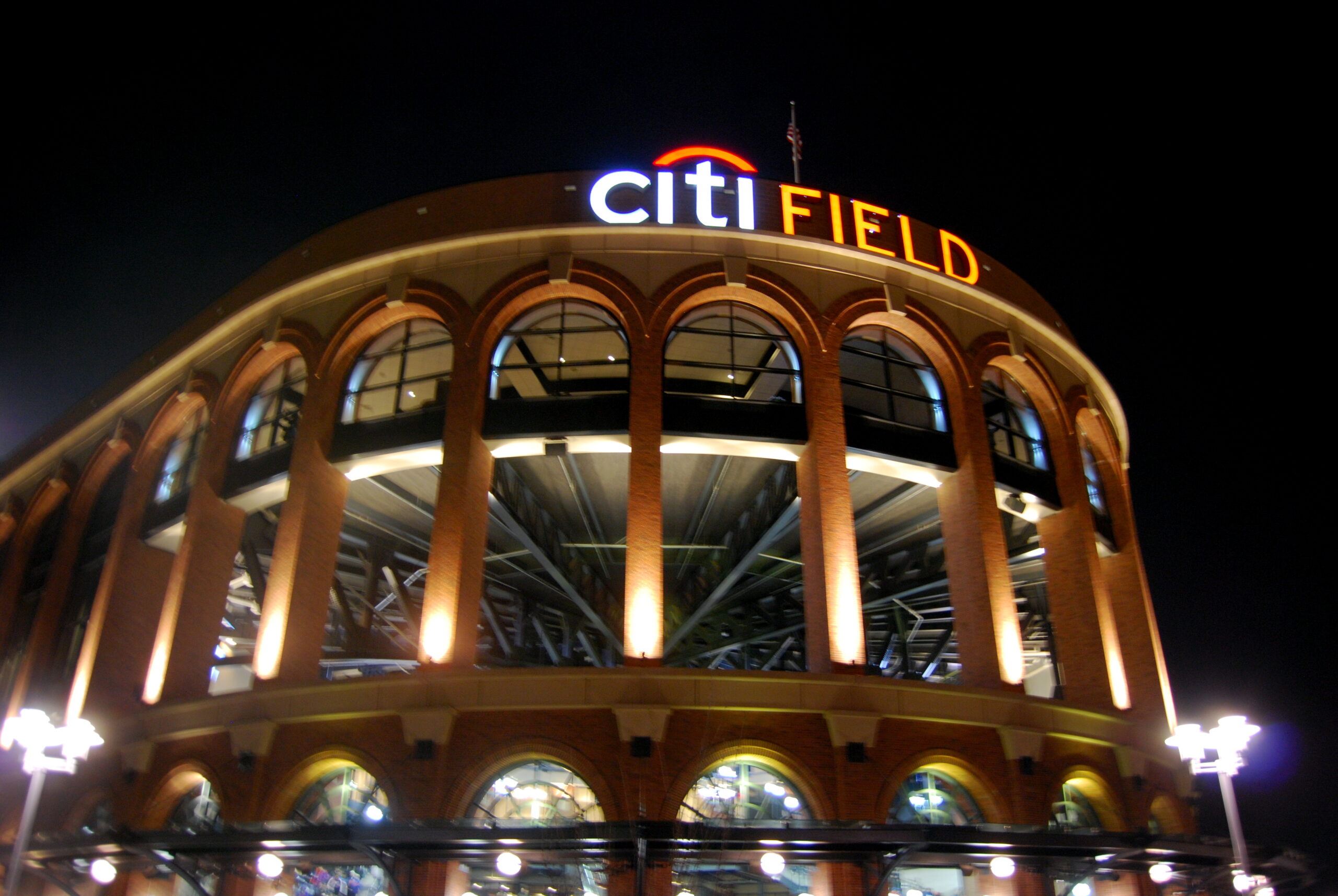
Citi Field at night, one of New York’s two major baseball destinations and a strong fit for a planned Mets night out.
- Decide what kind of night this is — tourist landmark, relaxed family outing, date night, serious baseball, or dinner-and-game. The answer shapes every decision that follows.
- Choose the right park for that kind of night — Yankees for classic New York sports mythology, Mets for a more relaxed outing with a lower-stress approach to almost everything.
- Pick seats before you buy — the seat section shapes the night more than most people realize. Understand what you want from the experience before you filter by price.
- Set the arrival time and protect it — figure out when gates open, build in buffer, and do not cut it close. The biggest source of stadium stress is self-inflicted.
- Decide the food plan in advance — meal before, food at the park, or dinner after. Each works; none of them works if you are making the decision at 6:15pm on the sidewalk.
- Build the transit or parking plan before game day — official current guidance from both parks and from the MTA should be checked before you leave, not consulted in the rideshare line.
Step 1 — Choose the Right Game for the Night You Want
The Yankees and Mets offer two genuinely different kinds of New York baseball nights. Treating them as interchangeable — just “a baseball game” — is the first planning mistake and it produces the wrong choice for a lot of visitors.
A Yankees night at Yankee Stadium in the South Bronx carries the weight of the most storied franchise in American sports history. The park has scale and presence. The crowd tends to be more vocal and invested. First-timers often describe it as feeling like a proper New York sports event — dense with expectation, unapologetically big. If you want to say you saw a game at Yankee Stadium and feel the mythology of that, the Yankees night delivers that specifically.
A Mets night at Citi Field in Flushing is a different rhythm. The park is modern, easy to navigate, and the overall feel tends toward the more relaxed side of the baseball outing spectrum — better for families, more forgiving for casual fans, and genuinely easier to enjoy if you are not there primarily for the competitive intensity. Many visitors who felt a little overwhelmed by a Yankees-crowd energy find a Mets game a more pleasant way to spend an evening at the ballpark.
Strong crowd energy, big-stadium presence, and the weight of the franchise’s history. Works best for first-time visitors who specifically want the Yankee Stadium landmark experience, serious baseball fans, or anyone who wants a louder, more charged night out. Slightly more logistical demands, especially transit and timing.
A modern ballpark with a less intense crowd energy — strong for families, casual fans, and visitors who want a pleasant evening at a baseball game more than a charged New York sports event. Often easier to navigate. Flushing’s neighborhood surroundings have a distinct NYC character worth knowing in advance.
If you are still working through the Yankees vs. Mets decision — or trying to make it for someone else — the full breakdown is in the Yankees vs. Mets for first-time visitors guide. For a direct comparison of the two stadiums themselves, see the Yankee Stadium vs. Citi Field guide. Tourists building a baseball night into a New York trip should also check the best NYC baseball game for tourists guide for a more specific take on the choice.
Step 2 — Choose the Right Seat Before You Buy
Most people choose seats by price bracket and proximity to the field. That is the wrong order of operations. The smarter sequence is to decide what you want from the seat — then figure out which section delivers that and what it costs.
What do you want from your seats? That question is worth sitting with. Some groups want to be as close to the action as possible and proximity justifies the cost. Others want shade, because a July game with no shade and third-row seats is a memorable experience for all the wrong reasons. Parents with young kids often want an aisle seat or a section near a concourse so they can get up freely without disrupting everyone around them. Casual fans on a date night might want to wander the park and eat, and a seat in a flexible lower section keeps that option open. Serious baseball fans might want a clear sightline to the bullpen or the infield corners.
None of these preferences are unusual, and most of them point to different sections of the park. Field-level seats at either park are expensive and sometimes overrated for anything except pure proximity — the tradeoffs in shade, comfort, and flexibility are real. The mid-tier infield sections at both Yankee Stadium and Citi Field often provide a stronger overall night for groups who want a comfortable, engaged experience without paying a premium purely for closeness.
The most expensive seat is not always the best seat for your group. At both Yankee Stadium and Citi Field, the right seat depends on who you are going with, what the weather looks like, and whether proximity or comfort and flexibility matters more. A full breakdown is in the how to choose Yankees or Mets seats guide — worth reading before you book.
For Yankee Stadium-specific seating logic, see the Yankee Stadium seating guide. For Citi Field, see the Citi Field seating guide.
Step 3 — Get the Timing Right
Arrival timing is where most baseball nights go wrong, and it almost always comes down to the same mistake: cutting it too close. People plan to arrive at gate open but leave a few minutes late, hit unexpected transit delays, end up in a longer security line than expected, and spend the first twenty minutes of the game stressed and hungry instead of settled with a beer and a hot dog.
The honest answer on when to arrive: for most games at either park, arriving 60 to 75 minutes before first pitch is a comfortable buffer. You have time to find your section, get food without a crush-level line, and settle in before the first pitch without feeling like you wasted an hour of your evening waiting around. Shorter buffer times are workable on a quiet Tuesday night but become risky on a Friday or Saturday, a popular matchup, or any game with outdoor weather complications.
When earlier matters more
If you are bringing kids and need time to navigate, locate family facilities, and get everyone settled without a meltdown, add another 20-30 minutes to whatever buffer you planned. If you are going on a weekend evening, high-demand matchup, or a night when the subway situation is complicated, earlier is always the right answer. Pregame events — fireworks nights, giveaway promotions, special ceremonies — fill the park early and lines at every food and drink station are longer for the full pre-game period. Know what kind of game night you are attending and plan accordingly.
Check the official game-day guidance from the Yankees and Mets before attending. Both parks publish current gate times, bag check procedures, and event-day guidance that should be consulted closer to your actual game date.
Gate opening times, bag inspection procedures, and event-day logistics can change between seasons and between games. Always check current official guidance from the Yankees, Mets, and MTA before your visit rather than relying on general estimates, including the details in this guide.
Step 4 — Decide Whether Dinner Is Before or After the Game
This is a decision that most people leave too late, and that vagueness costs them. The three real options — a proper meal before the game, food at the park, or dinner after — all work. None of them works if you are improvising it at 6pm outside the stadium.
A proper meal before the game
For groups who want a full evening out — adults on a date night, visitors who want the game to be part of a more complete outing, anyone who cares about eating well — a real sit-down dinner before the game is the right move. It requires more planning: you need a reservation or a clear restaurant in mind, you need to time the meal so you finish with enough buffer to get to the park, and you need to account for travel from the restaurant to the stadium. At Yankee Stadium, the South Bronx neighborhood has developed a number of pre-game dining options in recent years; see the restaurants near Yankee Stadium guide for current picks. Near Citi Field, the Flushing corridor has a strong, distinctive dining scene — see the restaurants near Citi Field guide.
Food at the park
Both Yankee Stadium and Citi Field have significantly expanded their food programs in recent years. For groups that do not want to manage the timing of an outside dinner — families, casual fans, visitors who simply want to arrive and eat there — the in-park options are a reasonable primary food plan, not just a fallback. Know which stands and concourse areas you want before you arrive so you are not wandering at first pitch.
Dinner after the game
For afternoon games, games ending by 9:30 or so, or groups that want to linger in the neighborhood after the final out, post-game dinner works well. The challenge is crowd logistics — exiting a full stadium and finding a restaurant with available seating is easier if you know where you are going in advance. This approach works better for Citi Field in Flushing than for Yankee Stadium if you are not already planning to stay in the neighborhood, purely for geographic reasons.
The best time to go to a Yankees or Mets game guide also touches on how game start time and season timing affect the full night-out plan.
Step 5 — Build the Transit Plan Before Game Day
Both Yankee Stadium and Citi Field are well-served by public transit, and both parks actively recommend it. That said, they have different transit personalities, and treating them the same produces suboptimal results.
Getting to Yankee Stadium
Yankee Stadium is directly served by the B and D trains (which stop at 161st Street–Yankee Stadium) and by the 4 train. For visitors coming from Manhattan, this is a straightforward subway ride from most of Midtown and the Upper East Side. Metro-North Railroad’s Hudson Line also serves Yankees–East 153rd Street station, which is worth knowing for visitors coming from the suburbs or Connecticut. Check current MTA service advisories before your game, particularly on weekends when scheduled track work can affect service on one or more of the relevant lines.
If you are driving to Yankee Stadium, parking options exist in the surrounding area. The official Yankees parking pages and third-party parking services both operate near the stadium. Advance booking is generally a smoother experience than arriving and hoping. See the parking near Yankee Stadium guide for current options and the how to get to Yankee Stadium guide for a fuller transit breakdown.
Getting to Citi Field
Citi Field is served by the 7 train, which stops at Mets–Willets Point. This is the most direct transit route and works well from Midtown Manhattan. The Long Island Rail Road also serves Mets–Willets Point station, which is the right option for visitors coming from Long Island or elsewhere on the LIRR network. Citi Field’s official transit materials include a live tracker and current planning guidance — check it before your game rather than assuming the service pattern from a previous visit.
For parking near Citi Field, current Mets parking materials indicate that advance purchase of parking is the smoother option, particularly for larger games — the lots generally open 2.5 hours before game time according to current Citi Field information, but verify this against current official guidance. See the parking near Citi Field guide and the how to get to Citi Field guide.
Do not leave transit planning until game day. Check current MTA service advisories, verify official parking guidance, and make a decision about whether you are taking transit or driving before you leave. The readers who regret their game-night logistics almost always built an improvised plan — showing up and figuring it out works on quiet weeknights and fails completely on a Friday sellout.
Step 6 — Know What You Can Bring
Bag policy surprises are one of the most reliable ways to wreck the flow of getting into the stadium. Both Yankee Stadium and Citi Field have bag guidelines, and both do bag inspection at entry. The practical effect is that a bag that does not meet current guidelines means a trip back to the car or a paid storage option — neither of which is how anyone wants to start a baseball night.
Current Yankees guidance indicates each fan may bring one soft-sided bag up to 16″ × 16″ × 8″ plus one smaller personal item such as a clutch or wallet, with inspection at entry. This is a broadly reasonable guideline but the specific details should be verified against current official Yankees pages before you attend, since policies can be updated between seasons.
Citi Field has its own bag policy guidance — verify current details on the official Mets site before your visit. The same principle applies: know what you are bringing, check the current rules, and do not arrive with a backpack or large tote and assume it will get waved through.
Other practical items worth confirming in advance: outside food and beverage policies (factory-sealed water bottles are generally allowed at both parks but verify), sunscreen and hat allowances on summer afternoon games, and any current COVID or health-related entry requirements if applicable.
Step 7 — Plan for the Kind of Group You Have
The best plan for a solo baseball fan, a couple on a date, a family with a nine-year-old, and four tourists checking baseball off their New York trip list are four meaningfully different plans. A generic “here’s how to go to a baseball game” guide serves none of them particularly well. Here is how the planning changes by group type.
Yankee Stadium is usually the right call for pure first-timer New York sports mythology — see the full comparison before deciding. Arrive early to take in the park. Budget for food at the stadium. Choose mid-tier infield seats that give you a clear view without requiring the front-row premium. Use the subway.
Citi Field often works better for families than Yankee Stadium — slightly more relaxed crowd, modern facilities, easier to navigate. Choose aisle seats for flexibility. Plan food ahead: either a simple meal before or a clear in-park plan so no one is hungry and wandering. Arrive at least 75 minutes early. See the families guide for full detail.
A real sit-down dinner before the game elevates the experience significantly. Give yourself time to enjoy the meal and still arrive with buffer. Mid-range seats work better than premium for a date night — you want to be comfortable and able to talk, not in a crowd-pressure front row. Consider how the neighborhood around each park fits the overall evening.
Yankees for the bigger-name opponents, classic stadium atmosphere, and American League baseball. Mets for a different style of game, a more relaxed crowd to actually watch in. Choose seats based on sightlines and the specific game rather than defaults. Check the best time to go guide for matchup and scheduling logic.
Groups that are there for the social experience more than the competitive intensity often find Citi Field the easier fit. If the group cares more about having fun than the game outcome, a Mets night lets everyone relax. For Yankees games, choose a non-rivalry weeknight if the goal is a lower-key outing.
Both parks have affordable upper-level sections that still provide a real baseball experience. The key budget variables are seats, in-park food (significant cost multiplier), and parking vs. transit — transit saves the most. Check each park’s standing room and value section options closer to game time for available inventory.
What a Yankees Baseball Night Looks Like
A Yankees night at Yankee Stadium is a particular kind of New York experience — one that carries more weight than just the game. The franchise’s history, the Bronx neighborhood, the stadium’s scale, the crowd’s expectations — all of it accumulates into something that feels more loaded than a typical baseball outing. That is the appeal. It is also what requires a slightly more intentional plan.
Yankee Stadium’s size and the intensity of the crowd on a good night means crowds around the subway station and concourse are denser than at most other ballparks. Giving yourself extra arrival buffer on high-demand games is not optional — it is the difference between enjoying the pre-game atmosphere and fighting through it. The B and D trains and the 4 train all deliver you directly, but those platforms and exits fill fast after first pitch and at the final out, so having an exit plan also helps.
The neighborhood around Yankee Stadium has developed meaningfully in recent years. Pre-game dining options near the park have expanded — check the restaurants near Yankee Stadium guide for current picks. The Yankee Stadium area neighborhood guide covers the broader surroundings. Transit details are in the how to get to Yankee Stadium guide and parking specifics in the parking near Yankee Stadium guide. For the full Yankees franchise context, see the New York Yankees guide and the Yankee Stadium guide.
What a Mets Baseball Night Looks Like
A Mets night at Citi Field has a different quality — more relaxed, more forgiving, more suited to a casual evening out. This is not a knock on the Mets or on Citi Field; it is a genuine feature. Visitors who want a baseball game that does not require full competitive investment to enjoy tend to find Citi Field the more pleasant stadium experience. The park is modern, well-designed, and easy to navigate, and Flushing has a neighborhood character that is entirely its own.
Citi Field’s surroundings are different from the South Bronx. Flushing is one of the most interesting neighborhoods in New York for food — a dense cluster of Chinese, Korean, and diverse international dining that is easy to access by 7 train from Manhattan. A pre-game meal in Flushing before walking over to the park is a legitimate and excellent evening structure, though it requires knowing the neighborhood and the timing. The restaurants near Citi Field guide covers the right options and the Citi Field area neighborhood guide provides fuller context on the surroundings.
For the Mets franchise context, see the New York Mets guide and the Citi Field guide. Transit is in the how to get to Citi Field guide and parking in the parking near Citi Field guide.
Common Mistakes That Ruin a New York Baseball Night
Most bad baseball nights are predictable. The same few decisions produce the same bad outcomes, game after game, visitor after visitor. Here is where things typically go wrong.
Choosing seats before deciding what kind of night you want. Seats chosen by price proximity and nothing else routinely produce the wrong experience for the group. The person who wanted to wander and eat ended up locked in a front-row seat. The family that needed shade bought sunny third-baseline seats. Know the kind of night first, then find the section that delivers it.
Treating Yankees and Mets nights as interchangeable. They are not the same kind of night. The stadium, the crowd energy, the neighborhood, the logistics, and the overall atmosphere are different enough that choosing between them matters — especially for first-timers, families, and anyone who is not going primarily for competitive baseball interest.
Cutting arrival timing too close. On a busy game night at either park, arriving 20-25 minutes before first pitch means a security line, a concessions line, trouble finding the section, and the first two innings of stress. Build 60-75 minutes minimum from arrival to settled in your seat. More buffer on weekend games and high-demand matchups.
Leaving the food plan undecided until it is too late. Making the pre/at-park/after dinner decision at 6pm on a game day means someone is either rushing through a bad meal, overpaying for in-park food they did not want, or fighting for a restaurant table at 10:30pm with a crowd of people who just left the same exit. Decide in advance.
Failing to check the bag policy before leaving. It costs ten minutes to read the current bag guidelines. It costs an indefinite amount of your evening to get to the gate and discover your bag does not qualify. Check the current official rules from the Yankees or Mets site before you leave home.
Parking without a plan. Showing up at either stadium without a parking spot reserved and hoping to find one is a strategy that works on Tuesday night in April and fails on any summer weekend with a promoted game. Book parking in advance or commit to transit, but do not leave the decision to chance.
Improvising all of it on game day. The easiest version of any of these mistakes is simply leaving the whole plan open until you are already in motion. Game day improvisation compounds: a late food decision bleeds into a late departure which produces a tight arrival which means missing the first inning from a concessions line. Build the plan before game day and it almost always goes smoother than expected.
Frequently Asked Questions
Start with the kind of night you want — tourist experience, family outing, date night, serious baseball — then match the park, seat section, arrival time, food plan, and transit to that. Yankees for the classic New York sports experience; Mets for a more relaxed evening. Lock in the seat, arrival, and food decisions before game day so nothing is improvised under pressure.
It depends on the group and the start time. A real meal before the game works well for adults who want a full evening out — build in enough time to finish before heading to the park. Food at the park is a reasonable plan if you do not want to manage outside dining logistics; both parks have expanded their food options significantly. Dinner after works for afternoon games or groups that want to linger after the final out. The main rule: decide in advance, not at 6pm outside the stadium.
For most games, 60 to 75 minutes before first pitch gives you a comfortable buffer — enough time to get through security, find food without a peak-crowd line, and settle in before the game starts. On weekend evenings, high-demand matchups, or any game with a pregame promotion, add more time. Parents with young kids should add another 20-30 minutes on top of whatever buffer they planned.
Check current official bag guidelines from the Yankees and Mets before you go. Current Yankees guidance allows one soft-sided bag up to 16″ × 16″ × 8″ plus one smaller personal item; specifics may change so always verify. Citi Field has its own guidelines. Both parks do bag inspection at entry. Factory-sealed water bottles are generally permitted but confirm with current official policy before assuming.
For most visitors, transit is the right default at both parks. Yankee Stadium is served by the B, D, and 4 trains and Metro-North. Citi Field is served by the 7 train and LIRR. Both are direct and predictable for most departures. Driving and parking is a reasonable option if you are coming from a direction where transit is impractical — book parking in advance rather than hoping to find a spot on arrival. The Yankee Stadium transit guide and Citi Field transit guide cover each in detail.
Start by deciding whether this is primarily a baseball night or a full evening out. For a full evening: a real meal at a restaurant in the neighborhood before the game, seats that offer comfort and flexibility, a transit plan that avoids parking logistics, and a clear sense of what you are doing after the final out. For a more casual, baseball-first night: arrive a bit earlier, eat at the park, and keep the plan simpler.
The two main things: first, decide whether you want the Yankees landmark experience or the more relaxed Mets night — they are different kinds of evenings. Second, plan the logistics before you arrive — seat, transit, arrival time, and food. Tourists who improvise these decisions tend to spend too much, arrive stressed, or end up at the wrong concessions stand missing the first inning. The best NYC baseball game for tourists guide covers the Yankees vs. Mets decision specifically for first-time New York visitors.
The New York Baseball Night in Brief
The best New York baseball nights are not the product of the best tickets or the most expensive seats. They are the product of a clear idea of what kind of outing you want, followed by a plan that actually delivers it. Choose the right park for your group, choose seats that match your priorities, build arrival timing you can hit without stress, and make the food and transit decisions before game day rather than during it.
Yankees and Mets nights are different enough that treating them as the same is the first mistake. Once you know which one fits the evening — and what the rest of the plan looks like around it — a New York baseball night is one of the better nights this city offers.
The full baseball resource cluster covers every supporting decision: the Yankees vs. Mets for first-time visitors guide, the seat choice guide, and the individual Yankee Stadium and Citi Field guides are the right next stops depending on which direction you are heading.
The Full Baseball Planning Cluster
The game-night framework gets you to the right order of decisions. These guides fill in each step — from which park and which seat to where to eat and how to get there.