

Best Time to Go to a Yankees or Mets Game
The right game date depends on what kind of night you want. Here’s how to choose by weather, crowds, family comfort, promotions, and the overall experience.
There is no single universally correct answer to when you should go to a Yankees or Mets game. The reader who wants a classic summer-night baseball atmosphere, the family trying to avoid a heat-exhaustion situation with a six-year-old, and the tourist trying to fit a baseball game cleanly into a New York trip are each looking for something different — and the best date for each of them is genuinely different.
The question worth asking is not “what is the best time of year for baseball?” but “what kind of game night do I want, and which conditions deliver that?” This guide breaks it down by the kind of experience you are after — then gives you the honest practical details to make the right call.
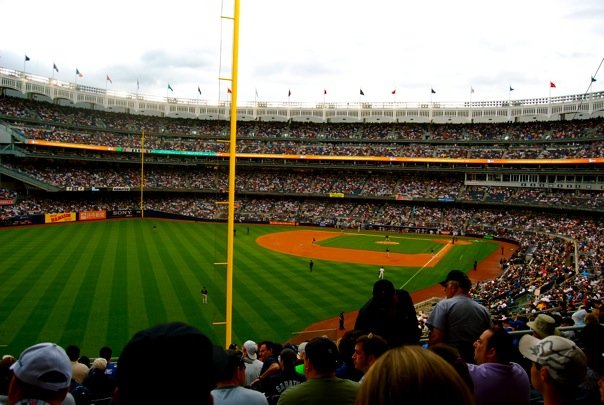
Subway Series game between the Yankees and Mets, the two-team choice behind New York baseball timing and planning.
The Four Different Kinds of “Best Time”
Most calendar-based baseball articles treat “best” as a single category. It is not. The game date that produces the most memorable summer-night atmosphere at Yankee Stadium is not the same date that makes sense for a family who wants to get home before 11pm. These four categories cover the main ways people actually think about timing.
Late June through early August, evening start times. Full crowds, warm nights, maximum New York baseball energy. Worth planning for specifically if this is the kind of outing you want. Comes with tradeoffs: heat, larger crowds, and more demanding logistics.
May, early June, and September offer noticeably more comfortable conditions. Smaller crowds at most games, milder temperatures, and a more relaxed pacing. Often the better choice for first-timers, visitors who want a lower-stress evening, and anyone who found a peak-summer game overwhelming in the past.
Families with young kids should prioritize heat, start time, and exit logistics over “best atmosphere.” A weekend afternoon game in May or September, or an early-evening weekday game on a cooler night, almost always produces a better family experience than a 7pm July game in direct sun.
Tourists generally want the summer-baseball-in-New-York experience without the most chaotic version of it. June and early September are the sweet spots. The weather is warm, the parks are alive, and the logistical pressure is lower than peak July and August weekends.
Spring, Summer, and Early Fall — How Each Window Feels
The MLB season runs from April through September with postseason extending into October, which means a New York baseball game is available across a wide range of conditions. How those conditions actually feel for a baseball outing varies significantly.
Cooler temperatures — sometimes genuinely cold in April, comfortably mild in May. Crowds are lighter. The stadium experience feels more local and less touristy. Games can be excellent on a clear May evening, but April can surprise you with cold rain. Pack a layer. This is a good window for fans who want an easier, less-packed game. The season is also early, which means teams are still finding their footing — not always the most intense baseball.
The classic New York baseball window. Warm evenings, full parks, the most charged game atmosphere of the season. July and August can be genuinely hot during day games and on humid evenings — a real factor for seat comfort and energy. Crowds are at their largest, which affects arrival timing and in-park lines. This is the right window for readers who want the full summer-night version of a New York baseball outing.
Often the most underrated window. Temperatures drop back into comfortable range, the remaining crowd energy tends to be sharply baseball-focused as the playoff picture clarifies, and the overall logistics are cleaner than peak summer. A September evening game at Yankee Stadium or Citi Field, with the season on the line for a contending team, can be one of the better games of the entire year. Worth planning around if the schedule and trip timing allow it.
April and October postseason games are the edges of the scale — real baseball but requiring more weather preparation and flexibility on ticket availability. The main planning window for most visitors is May through September.
Day Games vs Night Games — How the Decision Actually Works
The choice between a day game and a night game shapes the whole experience more than most visitors realize before they make it. It affects heat, crowd energy, transit flow, how the night before and after plays out, and whether the outing works for your specific group.
Evening starts — typically 7:05pm or 7:10pm — produce the most classic baseball-night-in-New-York atmosphere. The city is still fully in motion, the park feels alive, and the overall energy is higher than a daytime outing. This is what most people picture when they imagine a New York baseball night. It comes with later-night logistics: expect to be out of the stadium around 10pm or 10:30pm on a nine-inning game, which can be a factor for families and early risers.
Weekend day games — typically starting around 1pm — work well for families, visitors who want to be back in Midtown by early evening, and anyone who does not want a late-night transit situation. The tradeoff in summer is direct sun exposure, which makes seat choice considerably more important. A shaded seat at a July afternoon game is a completely different experience from an exposed seat in the same section. Day games also mean you have the full evening free afterward — which can be part of the plan.
How heat changes the calculation
On a mid-July day game, the combination of direct sun and summer temperatures turns certain seat sections into genuinely uncomfortable places to spend three-plus hours. The upper decks can trap heat. Field-level seats in direct sun feel hotter than seats further up with shade or airflow. If you are going to a day game in summer, the seat choice needs to account for sun exposure — not just proximity and price. The Yankee Stadium seating guide and the Citi Field seating guide cover which sections get direct afternoon sun and which have shade.
For evening games, heat is less of a concern from a pure discomfort standpoint — but humid July and August nights in New York are a real factor and worth dressing for.
Weekday vs Weekend Games — What the Difference Actually Feels Like
Weekend games and weekday games at both parks produce noticeably different experiences. Neither is better in an absolute sense, but they suit different kinds of visitors and different kinds of outings.
Weekend games
Saturday and Sunday games draw the largest and most mixed crowds — tourists, families, group outings, fans who could not make weeknight games. The park feels more event-like and the energy is higher, which is what many visitors are looking for. The tradeoffs are real: longer lines at entry, longer waits at concessions, more people at every stage of the experience. Promotional games almost always land on weekends, which concentrates demand further. For tourists who want the full baseball-event experience, a weekend game delivers that. Budget more arrival buffer — 75 to 90 minutes before first pitch on a busy weekend is not excessive.
Weekday games
Weeknight games — Monday through Thursday — have a different texture. The crowd skews more local, more baseball-invested, and noticeably less chaotic. Entry lines move faster. Concessions are more manageable. The game itself tends to feel tighter and more focused. For visitors who want to actually watch baseball rather than manage an event crowd, a weeknight game is often the better choice. Ticket prices are usually lower too, and availability is better closer to game day. The one practical note: weeknight games still end around 10pm on a typical night, which is a consideration for early risers and families with young kids.
Tourists who want the most charged, event-like atmosphere: go on a weekend. Visitors who want a more real, local, manageable game experience: a weeknight game is often better. Families with young children who need a controlled exit time: a weekend day game with an earlier start may outperform both, since the 1pm start means you are out by 4pm and everyone is home at a reasonable hour.
The Best Time for Tourists — Balancing Atmosphere and Logistics
Tourists have a specific set of priorities when it comes to baseball timing: they want the experience to feel like summer baseball in New York, they want logistics to be manageable without being locals who know all the shortcuts, and they usually have a trip itinerary that limits which days actually work.
The sweet spot for most tourists is a June or early September evening game. June gives you genuine summer weather, full parks, and the baseball season fully underway — without the peak-heat and peak-crowd conditions of late July and August. Early September retains the summer feel and often adds urgency to the games as teams chase playoff berths, while the temperatures drop back into a more comfortable range.
Avoiding the most intense summer weekends — think a Saturday in late July against a rivalry opponent — is usually the smarter call for first-time visitors who want a smooth experience rather than the most intense version of one. A Tuesday night in June at Yankee Stadium or Citi Field, with good weather and a competitive game, is genuinely one of the better New York sports experiences available — and significantly easier to navigate than a peak-summer Saturday sellout.
The best NYC baseball game for tourists guide covers this decision in full alongside the Yankees vs. Mets choice. The Yankees vs. Mets for first-time visitors guide is the right companion piece for readers still deciding which park fits their trip.
The Best Time for Families — When Conditions Matter More Than Atmosphere
For families with young children, the standard “summer night game” answer is often the wrong one. The variables that matter most for a family game — heat and sun exposure, game start time and end time, crowd density, and whether everyone can get home at a reasonable hour — point away from peak summer evening games and toward specific windows within the season.
The two family-friendly windows
Weekend afternoon games in late spring (May) or early fall (September) are the most consistently family-friendly option at either park. The temperatures are comfortable, day games mean everyone is home by early evening, and the weekend timing means no school-night logistics to navigate. Kids who lose interest in the baseball by the third inning can wander the concourse without a late-night fatigue meltdown attached to the end of it.
If summer is the only practical window, early-evening weekday games on a night with a forecast below 85°F are a workable alternative — particularly if you choose shaded seating sections and plan arrival at least 75 minutes early so the kids are settled before the crowd crush. Avoid July and August weekend day games with young kids unless you are specifically in shaded sections or the upper deck, where there may be better airflow.
Family-oriented promotional dates
Both the Yankees and Mets schedule family-friendly promotional nights and kid-oriented giveaway dates throughout the season. These can be genuinely excellent family experiences — but they also draw larger-than-usual crowds and require earlier arrival than standard games. Check the official promotions pages on the Yankees and Mets sites to find specific dates relevant to your trip. More detail on the full game choice for families is in the best NYC baseball game for families guide.
Seat choice matters more for family games than for any other group type — the how to choose Yankees or Mets seats guide covers the family-specific seat logic at both parks.
Giveaway Nights and Promotional Games — Are They Worth Planning Around?
Both the Yankees and Mets run promotional schedules throughout the season — giveaway nights (bobbleheads, jerseys, hats), theme nights, fireworks games, and heritage celebrations. For some fans, these dates are the primary reason to choose a specific game. For others, they are a secondary consideration at best. The question is whether a promotional night should drive your game selection or just be a nice bonus when the timing already works.
When to build the trip around a promo date
If there is a specific giveaway or event that genuinely matters to you or your group — a bobblehead of a favorite player, a fireworks night, a heritage game tied to a cultural or family significance — it is worth planning around. These dates sell at higher demand and the specific giveaway items are usually limited to early-arriving fans, which means you need to arrive earlier than you otherwise would. Factor that into the timing plan. A promotional night that requires being in your seat 90 minutes before first pitch to guarantee the item is a different logistical night than a standard Tuesday game.
When not to let a promo override the better date
The mistake is choosing a promotional date that happens to fall on a poor night — a July Saturday in extreme heat, a date that conflicts with the rest of a short trip, a game that requires arriving uncomfortably early — purely because of the giveaway. A hat you could buy at the team store is not worth three hours of stress. For most visitors, it is better to choose the game date that fits conditions, group type, and overall timing — then check whether any available dates in that window happen to have a promotional element worth adding to the plan.
The Yankees publish a live 2026 promotional schedule on their official site. The Mets have current 2026 giveaway and theme-game information available, with additional dates rolling out through the season. Always verify specific promotional dates directly on the official Yankees and Mets sites before booking — promotional schedules can change and individual giveaway items may have arrival-time requirements that affect your arrival plan.
When Timing and Seat Choice Need to Be Planned Together
A well-chosen game date paired with the wrong seat section can undermine the whole experience. The calendar and the seat section interact — and for certain kinds of games and certain kinds of groups, the interaction is significant enough that you need to think about them together.
Heat and shade
Summer day games make shade a primary seat consideration rather than a secondary one. At both Yankee Stadium and Citi Field, the sun angle during afternoon games puts certain sections in direct sun for most of the game. If you are going to a summer day game, identify which sections have shade or overhead coverage before you buy — not after. Paying a premium for field-level seats in direct July sun when a shaded upper section would have been both more comfortable and significantly cheaper is one of the most common seat mistakes at both parks.
September and tighter game logic
September games with playoff implications tend to produce the most focused and invested crowds of the season. This is worth knowing for seat choice: if the atmosphere will be more intense and the crowd more baseball-invested, center sections near the action play better than corner or edge seats where the crowd energy is thinner. Conversely, a relaxed May weeknight game is perfectly well-served by a comfortable upper-level section where you can watch baseball at a measured pace.
Both seating guides — the Yankee Stadium seating guide and the Citi Field seating guide — cover which sections work best under different conditions. The seat choice guide covers the full decision framework across both parks.
How Timing Plays Differently at Yankee Stadium vs Citi Field
The Yankees and Mets attract different kinds of game-night energy, and that difference plays out differently depending on the time of year you go.
Yankees timing
Yankee Stadium’s crowd intensity is more consistent across the season than Citi Field’s. A summer Saturday against a division rival is genuinely charged, but even a mid-May Tuesday against a weaker opponent draws a solid, engaged crowd at Yankee Stadium. The park’s scale and the franchise’s mythology mean the environment rarely feels flat. For timing purposes, this means the margin between the “best” game and the “average” game is narrower at Yankee Stadium than at Citi Field — a May weeknight Yankees game is still a real New York sports experience. See the New York Yankees guide and the Yankee Stadium guide for full context on what to expect.
Mets timing
Citi Field’s atmosphere is more variable by season and matchup. The park comes alive most fully when the Mets are in contention and the opponents are significant — a late-summer game at Citi Field with playoff stakes can be excellent. On a quiet Tuesday in early May against a mid-table opponent, the vibe is more relaxed and the crowd thinner. For most visitors, this means timing a Mets game to coincide with a later-season window or a higher-profile opponent produces a noticeably better experience than the equivalent game in April. The New York Mets guide and the Citi Field guide cover what each park offers in fuller detail.
For a direct comparison of the two parks across multiple dimensions, see the Yankee Stadium vs. Citi Field guide.
Common Timing Mistakes That Affect the Whole Night
Picking the hottest game without considering seat comfort. A field-level seat in direct sun during a July afternoon game is an endurance test, not a baseball outing. Summer day game dates need to be paired with a specific seat selection plan that accounts for heat and shade. Choosing the date without choosing the seat simultaneously is where this mistake begins.
Assuming weekend automatically means best. Weekend games draw larger crowds, more tourist traffic, and more logistical pressure at every stage. For some visitors this is exactly right. For others — particularly those who want a more relaxed, local-feeling game or who want shorter lines and easier navigation — a weeknight game is the better choice. Weekend is not an upgrade from weekday; it is a different kind of experience.
Overvaluing giveaways and undervaluing overall conditions. Planning a summer day game in 95-degree heat specifically for a bobblehead that will be distributed to the first 20,000 fans — when you are arriving 40 minutes before first pitch — is a plan that rarely works out the way people picture it. The giveaway should be a bonus to a good game choice, not the primary driver of a poor one.
Not matching the game time to the group. A 7:05pm start works well for adults on a summer night and becomes a late-night problem for a family with a seven-year-old. A 1:05pm start on a hot July Saturday is excellent for shade-equipped upper-deck fans and miserable for field-level seats with no overhead coverage. The game time and the group type need to be considered together before anything else is decided.
Cutting arrival too close on promotional nights. Giveaway items at both parks are distributed to a fixed number of fans — typically the first 20,000 or 25,000 to enter the gate. Arriving 30 minutes before first pitch on a giveaway night is a reliable way to miss the item and also to enter during a crush. Promotional nights require earlier arrival than standard games, and that needs to be built into the plan in advance.
Planning dinner poorly around first pitch. A full sit-down dinner before a night game means you need to be at the restaurant no later than 5:30pm to eat comfortably and be at the stadium with buffer before 7pm. Readers who choose a game date without building the pre-game food plan around it often end up rushed, eating standing up in a concourse, or arriving after the first pitch. See the how to plan a New York baseball night guide for the full logistics framework.
Ignoring how seasonal comfort changes the whole experience. The reader who chose a late-May Mets game because the weather was appealing and found it one of the best evenings of the year was not surprised by this. The reader who chose a peak-August weekend afternoon game and felt the heat drain the energy out of their whole group was also not surprised, in retrospect. Weather and comfort shape the experience at a level most people underestimate until it is happening to them.
Frequently Asked Questions
June and early September are the strongest overall months for most visitors. June offers summer baseball with manageable conditions and full parks. September brings comfortable temperatures and often sharper, more consequential games as the playoff picture develops. July and August deliver the most classic atmosphere but also the most demanding conditions — heat, large crowds, and more demanding logistics. May is underrated for visitors who prioritize comfort and ease over peak atmosphere.
Night games produce the most classic New York baseball-night atmosphere and are the right choice for most adults planning a full evening out. Day games are a better fit for families who want an earlier end time, visitors who want the afternoon free after the game, and anyone going to a summer game who has shaded or covered seating. In summer, day games paired with poor seat placement and no shade can be genuinely uncomfortable — seat choice and sun exposure should be part of the day game decision.
For most families, a weekend afternoon game in May or September is the optimal window. The temperatures are comfortable, the earlier start means an earlier end, and the weekend timing keeps school nights out of the equation. If summer is the only practical window, an early-evening weekday game on a cooler night — paired with shaded seats — is the next best option. Avoid late-July or August day games with young kids unless you have overhead shade covered in the seating plan. The best NYC baseball game for families guide goes deeper on all of this.
When they align with an otherwise good game choice, yes. When the giveaway is the primary reason for choosing a date with poor timing, weather, or logistical complications, usually not. If you are going to a giveaway night, plan to arrive at least 75-90 minutes before first pitch to ensure you are within the distribution window, and verify the current giveaway quantity and rules directly on the official Yankees or Mets promotions pages before your visit.
Summer is the most atmospheric time for New York baseball — full parks, warm nights, the peak of the season. But it is not the best time for everyone. Families, visitors sensitive to heat, readers who want a more relaxed outing, and tourists who do not want the most chaotic possible version of a game night often find late spring and early fall more enjoyable. Summer is the right answer for readers specifically seeking the most charged, full-energy baseball experience. It is not the right answer for everyone.
Either can work, but the recommendation shifts depending on what kind of visitor you are. Tourists who want the fullest, most event-like baseball experience: weekend. Tourists who want a more manageable outing with shorter lines, easier navigation, and a more local feel to the crowd: weekday evening. A Tuesday or Wednesday night game in June or September, with good weather and a competitive matchup, is an excellent introduction to New York baseball — often better than a chaotic peak-summer Saturday.
Start with your group type and the kind of night you want. Then look at the schedule for windows that match the season and conditions you want. Then check for any promotional dates that fall in that window. Then verify your seat choice against the game conditions (day/night, season, expected temperatures). The how to plan a New York baseball night guide walks through the full decision framework from game choice through transit and logistics.
The Best Time, in Brief
The best time to go to a Yankees or Mets game is the time that fits the kind of outing you are planning. Summer evening games deliver the most charged and atmospheric version of New York baseball, and they are worth planning for if that is what you are after. But late May, June, and September are genuinely competitive alternatives — more comfortable conditions, lower-stress crowds, and often sharper baseball as the season develops.
For most tourists, June or early September is the practical sweet spot. For families, a weekend afternoon game in the shoulder seasons almost always outperforms a peak-summer evening game on the conditions that matter most. Promotional nights are worth building around when the timing already works; they are not worth sacrificing comfort and logistics for.
Once you know the window you are targeting, the next decisions — which park, which seat section, and how to build the full night around the game — are covered in the rest of the planning cluster. The how to plan a New York baseball night guide is the right starting point for everything that follows.
Timing Chosen — Now Build the Full Baseball Night
Once you know your window, the next decisions are which park, which seat, and how to plan the full day around it. These guides cover everything from the team choice through transit and food.