

The Best Neighborhood for a Barclays Center Night
Downtown Brooklyn, Boerum Hill, Prospect Heights, Fort Greene — an honest comparison of what each area offers for a concert, game, or overnight stay near the arena.
Barclays Center sits at one of Brooklyn’s most convergent points — the intersection of Atlantic and Flatbush Avenues, where four distinct neighborhoods meet and nearly a dozen subway lines stack up at the same station. The arena has an address in the postal sense, but in the practical sense it belongs equally to Downtown Brooklyn, Boerum Hill, Prospect Heights, and Fort Greene. Each of those neighborhoods is within easy walking distance. Each offers something different. And the right answer for your night depends on whether you are prioritizing logistics, atmosphere, dining, or the kind of Brooklyn experience you want to have before and after the show.
This guide is not a booster piece for any one neighborhood. It is a practical comparison that tells you what each area is actually like on an event night, who each one suits best, and how to think about choosing a base — or combining a few of them — for a smarter evening around Barclays Center.
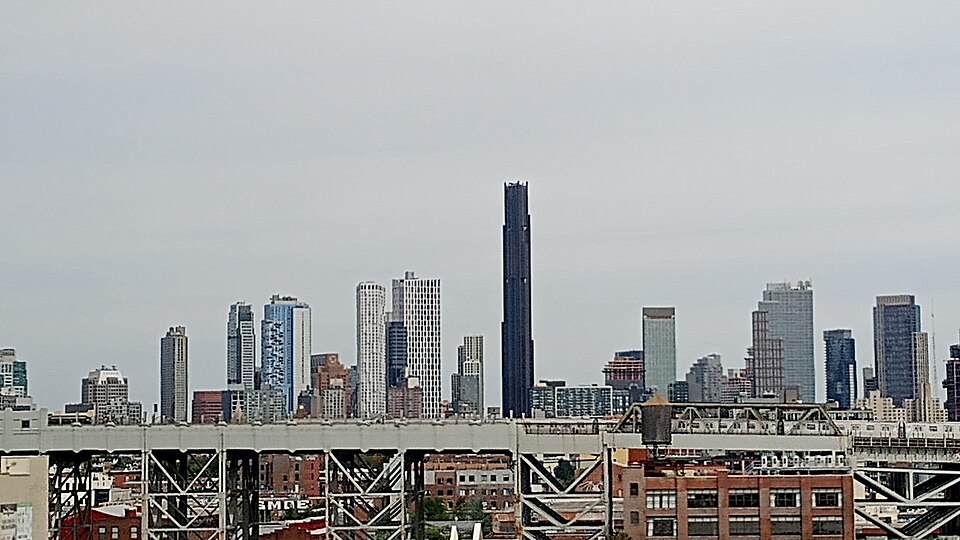
Downtown Brooklyn near Barclays Center, a practical home base for concerts, games, nearby hotels, and easy transit connections across Brooklyn and Manhattan.
The Four Neighborhoods Near Barclays Center
Each neighborhood has a distinct character and a different relationship to the arena. Here is how they compare at a glance before the fuller breakdown below.
The most transit-rich, hotel-dense, and logistically smooth base. Modern and functional rather than charming. Best for visitors who want everything easy — transit, hotels, post-show exit — without much wandering. The practical default.
The strongest pre-show dining neighborhood in the cluster. Tree-lined brownstone streets, Smith Street and Atlantic Avenue restaurant rows, genuine neighborhood feel. Better atmosphere than Downtown Brooklyn with a very short walk to the arena. The best upgrade if dinner matters to you.
Directly east of Barclays on the Flatbush Avenue side. A strong mix of casual dining, bars, and brownstone residential streets. Slightly less concentrated than Boerum Hill for pre-theater dining, but more neighborhood-y than Downtown Brooklyn. Good for groups who want a casual pre-show dinner or post-show drinks in a relaxed setting.
The most culturally distinct neighborhood in the cluster — BAM, Fort Greene Park, DeKalb Avenue dining, a strong arts and brownstone identity. Slightly further and requires more intentional planning, but rewards it with a fuller Brooklyn experience. Works best if you want the evening to feel like more than just the show.
If you want everything easy, stay in Downtown Brooklyn. If you want a better dinner, walk into Boerum Hill or Prospect Heights first. If you want the most complete Brooklyn night, point yourself toward Fort Greene — just budget extra time and walking distance. None of these choices is wrong. They serve different kinds of evenings.
Downtown Brooklyn — The Practical Default
Downtown Brooklyn is the neighborhood that Barclays Center officially belongs to, and it earns that designation on logistical terms: the arena is at 620 Atlantic Avenue, Atlantic Terminal (LIRR) is directly across the street, and the Atlantic Avenue–Barclays Center subway station below the arena serves eleven subway lines. On a practical level, no other neighborhood in New York City — including anything in Manhattan — offers this density of transit options at a single point. If you are coming from Long Island, Manhattan, Queens, or anywhere else in Brooklyn, Downtown Brooklyn is the easiest possible place to arrive and leave.
What it is not, and is worth saying clearly, is charming in the way that brownstone Brooklyn neighborhoods are charming. Downtown Brooklyn’s character is large-scale, commercial, and modern — significant residential towers, Atlantic Terminal Mall and City Point shopping centers, wide avenues, and a skyline that reads more like a dense urban business district than a neighborhood. That is not a criticism. It is an accurate description of what the area is, and it is exactly what many visitors to Barclays Center want: efficiency, hotel options, easy movement, and a smooth post-show exit.
Hotels
Downtown Brooklyn has the strongest hotel cluster near Barclays Center, with a range of options at different price points within walking distance of the arena. If you are staying overnight for a show or game, Downtown Brooklyn is where most of the practical hotel inventory concentrates. The hotels near Barclays Center guide covers the best-positioned options in full.
Transit out after the show
This is Downtown Brooklyn’s single clearest advantage. When a Barclays Center show ends and 19,000 people need to disperse, having immediate access to 2/3/4/5/B/D/N/Q/R/W trains plus the LIRR means you are moving within minutes regardless of where you are headed. Visitors arriving from Manhattan should take this seriously: the post-show subway at Barclays is faster and less chaotic than post-show transit at most Manhattan venues, precisely because the lines go in more directions from a less crowded station.
Dining in Downtown Brooklyn
There are solid dining options in and around Downtown Brooklyn, including DeKalb Market Hall inside City Point — a food hall with dozens of vendors that works well for a quick pre-show meal when you want variety without a sit-down commitment. For a fuller dinner with more atmosphere, Boerum Hill is a short walk south and will serve you better.
Downtown Brooklyn makes the most sense if you are coming from far away, staying the night, traveling with a group, or simply want the path of least resistance. It is a strong functional base. It is not the right choice if a neighborhood-feel dinner and a Brooklyn evening that extends beyond the arena is what you are after — for that, head south or east before the show.
Boerum Hill — The Best Pre-Show Dinner Neighborhood
Boerum Hill sits directly south of Downtown Brooklyn, with Atlantic Avenue running along its northern edge — which means it is also Atlantic Avenue running directly toward Barclays Center a few blocks north. The walk from Smith Street in Boerum Hill to the arena is roughly ten to fifteen minutes, which is comfortably within pre-show planning range for anyone who leaves a reasonable amount of time.
What Boerum Hill offers that Downtown Brooklyn does not is genuine neighborhood character: tree-lined streets with Greek Revival and Italianate brownstones, a concentrated restaurant and bar strip along Smith Street that has been one of Brooklyn’s better dining destinations for years, and an atmosphere that feels like actual Brooklyn rather than a commercial hub. The pace is different. The noise level is different. If you want to have a real dinner in a real neighborhood setting before walking to an arena show, Boerum Hill is the clearest answer in this cluster.
Smith Street and Atlantic Avenue
Smith Street is Boerum Hill’s main commercial artery — a row of restaurants, wine bars, cafés, and bars that runs for several blocks and offers a strong range of pre-show options from casual to sit-down. Atlantic Avenue, running east toward the arena, has its own collection of restaurants and is one of the practical walking routes between Boerum Hill and Barclays. Both streets are worth knowing. The restaurants near Barclays Center guide covers specific picks throughout this cluster.
The walk to the arena
From the heart of Boerum Hill — around Smith and Dean or Smith and Bergen — you are looking at a ten to fifteen minute walk north along Smith or Hoyt to Atlantic Avenue, then east to the arena. That is a pleasant walk in good weather and a manageable one even in rain. It should be factored into your arrival planning: if you want to be seated before a 7:30pm show, a 5:30pm dinner reservation at a Smith Street spot gives you enough time if you keep an eye on it. Post-show, the same walk in reverse takes you back to a quieter street rather than into the post-show crowd crush at the Atlantic terminal, which some people prefer.
Boerum Hill is the best choice for anyone whose pre-show dinner is as important as the show itself. It is also the right neighborhood if you want the evening to feel like a night in Brooklyn rather than a night at an arena. The trade is a slightly longer walk and no hotel cluster nearby — so it pairs better with a Downtown Brooklyn hotel than as an overnight base.
Prospect Heights — Casual, Local, and Right There
Prospect Heights sits directly east of Barclays Center along the Flatbush Avenue corridor, and in some respects it is the most immediate neighborhood for anyone approaching from the eastern side of the arena. Multi-level brownstones crowd Atlantic Avenue along the Barclays perimeter; a few blocks further east, the neighborhood shifts into genuine residential Brooklyn with local restaurants, wine bars, and a community feel that has been attracting people for years.
Prospect Heights is less concentrated as a dining destination than Boerum Hill — the Smith Street restaurant density is not replicated here — but it has its own cluster of reliable pre-show options, and it offers a slightly different mood: casual, community-rooted, less deliberately curated than some of its neighbors. Washington Avenue is the main commercial artery, running north-south through the neighborhood with a mix of restaurants, bars, and shops that fill up on event nights.
The post-show advantage
One underappreciated Prospect Heights advantage is the post-show option. While many Barclays visitors head directly back to the Atlantic Avenue–Barclays Center subway station after a show, walking east into Prospect Heights gives you a string of bars and late-night spots that are considerably less crowded than anything directly adjacent to the arena. If you want to extend the evening without fighting post-show crowds, the five-minute walk into Prospect Heights is the smart move.
Proximity to Prospect Park and cultural institutions
Prospect Heights also borders the Brooklyn Museum, the Brooklyn Botanic Garden, and the eastern edge of Prospect Park — which is not directly relevant to a Barclays night out unless you are planning around an earlier afternoon visit. But it does mean the neighborhood has a different gravity than Downtown Brooklyn: it pulls toward culture and green space rather than transit and commercial scale, which shapes the kinds of businesses, restaurants, and visitors it attracts.
see the Prospect Heights neighborhood guide.Prospect Heights works best for a more casual Barclays night — a group dinner without the formality, drinks before and after, a neighborhood feel without having to plan much. It is less of a destination than Boerum Hill and less logistically smooth than Downtown Brooklyn, but it can be the right middle ground if you want something that feels local without being complicated.
Fort Greene — The Full Brooklyn Evening
Fort Greene is the most culturally rich of the four neighborhoods near Barclays Center, and it is also the one that requires the most intentional planning. The neighborhood sits northwest of the arena, centered around Fort Greene Park, DeKalb Avenue, and the Brooklyn Academy of Music (BAM) — one of the most important performing arts institutions in the country. The walk from the heart of Fort Greene to Barclays Center is roughly fifteen to twenty minutes, which is workable but means you need to plan your evening around it rather than wandering and hoping you make the show.
What Fort Greene offers in return is a genuine Brooklyn evening that extends well beyond the arena. The brownstone blocks around Fort Greene Park are among the most architecturally cohesive in the borough. DeKalb Avenue has a concentrated stretch of restaurants, wine bars, and late-night spots that draw a mix of neighborhood regulars and BAM patrons. The neighborhood has a creative, community-rooted identity — Spike Lee filmed parts of his early career here, the Park has been hosting community events for over 150 years, and the dining scene reflects a neighborhood that takes its food seriously without being precious about it.
The BAM connection
If your Barclays night is a Nets game or a major concert, BAM is a useful landmark for orienting yourself in Fort Greene rather than a direct part of your evening. But if you are building a fuller cultural night in Brooklyn — perhaps a matinee or early show at BAM followed by dinner in Fort Greene followed by a concert at Barclays — Fort Greene is the neighborhood that makes that kind of ambitious evening possible.
The honest trade-off
The trade-off with Fort Greene is time and effort. The walk is longer, the transit back to the arena is not as seamless as from Downtown Brooklyn, and if you are coming from outside Brooklyn, staging your pre-show time in Fort Greene means adding logistical complexity to your evening. It is worth it if you want the full experience. It is probably not worth it if you just want to get to the show without fuss.
Fort Greene rewards people who want more from their Barclays night than the arena itself. It is not the practical default, and it requires planning. But if you want to spend an evening in one of Brooklyn’s best neighborhoods, eat well on DeKalb, walk through the park, and then make your way to a concert, it delivers something the other three neighborhoods cannot — a night that feels genuinely rooted in what makes Brooklyn worth visiting.
How to Decide — Matching the Night to the Neighborhood
The right neighborhood depends on what you are optimizing for. Most Barclays Center visitors are optimizing for one of four things: smooth logistics, a good dinner, a neighborhood atmosphere, or a complete evening. Here is how those priorities map to the four neighborhoods.
Downtown Brooklyn. Stay near the arena, use the LIRR or subway directly. No walking question, no timing pressure. The most efficient option by a wide margin.
Boerum Hill. Smith Street gives you the best concentrated dining within walking range of the arena. Plan 90 minutes before show time, walk north on Smith toward the arena.
Prospect Heights. Less curated than Boerum Hill, more neighborhood-y than Downtown Brooklyn. Washington Avenue gives you solid pre-show dinner and post-show bars in a relaxed setting.
Fort Greene. The most rewarding neighborhood to spend extended time in, but it requires the most planning. Budget 20 minutes to walk to the arena from DeKalb Avenue.
Downtown Brooklyn has the hotel density. Stay there, but consider walking into Boerum Hill or Prospect Heights for dinner rather than eating directly adjacent to the arena.
Atlantic Terminal LIRR is directly across the street from Barclays. Downtown Brooklyn is your natural base — you will be dropped off essentially at the door, and the return trip is equally painless.
The approach that works best for most visitors is to use two neighborhoods rather than one: stay or arrive via Downtown Brooklyn for the transit and hotel advantages, but walk into Boerum Hill or Prospect Heights for dinner. The two neighborhoods are close enough that this adds no real complexity — you have dinner in a neighborhood that earns it, then walk north or west to the arena. You get the logistics of Downtown Brooklyn without being limited to dining there.
Getting to Barclays Center — Why Location Matters More Here Than Most Arenas
Barclays Center’s transit situation is genuinely unusual and worth understanding before your visit, because it changes how you think about all four neighborhoods above. The Atlantic Avenue–Barclays Center station is the most transit-connected point in Brooklyn — eleven subway lines (the 2, 3, 4, 5, B, D, N, Q, R, W, and the G nearby on Atlantic) converge here, along with LIRR Atlantic Terminal directly across the street. This means:
Visitors from Manhattan typically take the B or D from the West Side, or the 2/3 from Midtown or the Upper West Side. All of them deposit you at the arena door. Visitors from Long Island take the LIRR to Atlantic Terminal — a single connection that is often faster than driving and infinitely easier than parking. Visitors from other parts of Brooklyn often find Barclays easier to reach than any Manhattan venue, because so many Brooklyn subway lines terminate or pass through this station.
The practical implication: this is not a venue where being near a specific subway line matters very much. Almost every subway line you might use brings you to the same station. What matters more is choosing a pre-show neighborhood, hotel, and dining plan that works around the arena’s geography — which is exactly what this guide covers.
For full transit details, subway line breakdowns, and parking information near Barclays Center, see the guide to getting to Barclays Center.
Plan the Full Night Around Barclays Center
The cluster of planning pages below covers everything you need to build a complete Barclays Center evening — from where to stay and park, to where to eat before and after the show.
Where to eat before the show
The restaurants near Barclays Center guide covers the best pre-show dining options across all four neighborhoods in this cluster — organized by neighborhood, occasion, and how much time you have before the show. Boerum Hill and Prospect Heights are the strongest pre-show areas; Downtown Brooklyn is your best option if you need a quick meal without much walking.
Where to stay near Barclays Center
If you are staying overnight, Downtown Brooklyn has the strongest hotel cluster near the arena. The hotels near Barclays Center guide covers the best-positioned properties at different price points, including what to know about booking on high-demand event nights.
Getting there by transit, car, or LIRR
The Barclays Center transportation guide covers every practical way to reach the arena — subway by line, LIRR from Atlantic Terminal, driving, and the parking reality near the venue. Transit is the strong recommendation here for most visitors.
Parking near Barclays Center
Street parking near Barclays on event nights is essentially nonexistent. There are garage options in the surrounding blocks, but they fill up quickly on high-attendance nights. If you are driving, the parking near Barclays Center guide covers the best-positioned garages and what pre-booking actually changes about your evening.
Barclays Center hosts events nearly every night of the week, and the surrounding neighborhoods get noticeably busier on sellout nights — particularly for major concerts and Nets playoff games. If your show is a high-attendance event, add an extra ten to fifteen minutes to your arrival plan regardless of which neighborhood you are starting from. The Atlantic Avenue–Barclays Center subway station handles large crowds well, but the street-level convergence around the arena entrance can slow things down on the busiest nights.
The Right Neighborhood for Your Barclays Night
Barclays Center’s position at the intersection of four distinct Brooklyn neighborhoods is one of the things that makes a night here genuinely different from a night at most arenas. You are not dropping into an isolated entertainment zone — you are arriving at a point where Downtown Brooklyn’s transit infrastructure, Boerum Hill’s dining strip, Prospect Heights’ neighborhood bars, and Fort Greene’s cultural depth all converge within walking range of a single building.
The practical answer for most visitors: use Downtown Brooklyn’s transit and hotel convenience as your base, walk into Boerum Hill for dinner before the show, and use the transit advantage to get home cleanly afterward. That combination gives you the best of what the cluster offers without overcomplicating the evening.
For everything else you need to plan the night — tickets, transit, restaurants, hotels, and parking — the planning guides linked throughout this page have you covered.
Barclays Center Works Because Four Brooklyn Neighborhoods Meet at the Arena
Downtown Brooklyn gives you the transit and hotels. Boerum Hill gives you the best dinner. Prospect Heights gives you a casual local exit. Fort Greene gives the night a deeper Brooklyn cultural layer. The smartest Barclays night often uses more than one.
Restaurants Near Barclays Center
Build the night around Boerum Hill, Prospect Heights, Fort Greene, or Downtown Brooklyn depending on dinner style and walking tolerance.
Plan the Food Transit AdvantageHow to Get to Barclays Center
Atlantic Av–Barclays Center and Atlantic Terminal are the real reason this arena cluster works so smoothly.
Open Transit GuideCore Barclays Center Planning
Venue · Food · Hotels · TransitBarclays Center Concert Guide
Concert layout, arena entry, event-night feel, Downtown Brooklyn context, and what to know before a major show.
Barclays Concert Seating Guide
Best concert sections, floor vs lower bowl, side-stage considerations, upper levels, and sightline strategy.
Restaurants Near Barclays Center
Boerum Hill, Prospect Heights, Fort Greene, Downtown Brooklyn, fast meals, date nights, and pre-show timing.
Hotels Near Barclays Center
Downtown Brooklyn hotels, overnight event strategy, high-demand nights, and when staying nearby makes sense.
How to Get to Barclays Center
Subway, LIRR, rideshare, walking, driving, and why Barclays is one of NYC’s easiest major venues by transit.
Parking Near Barclays Center
Garage strategy, street-parking reality, pre-booking, event-night traffic, and when not to drive.
Four Neighborhoods Around the Arena
Downtown BK · Boerum · Prospect · Fort GreeneDowntown Brooklyn
The practical default: hotels, subway, LIRR, fast arrival, fast exit, and the least complicated overnight plan.
Boerum Hill
The best pre-show dinner neighborhood: Smith Street, Atlantic Avenue, brownstone streets, and a short arena walk.
Prospect Heights
Casual, local, close, and useful for groups who want an easier neighborhood feel before or after the event.
Fort Greene
The fullest Brooklyn evening: BAM, DeKalb Avenue, Fort Greene Park, brownstones, and a longer but rewarding walk.
How to Decide
Choose the area based on logistics, dinner, atmosphere, hotels, LIRR, or whether you want the full Brooklyn evening.
NYC Neighborhood Guides
Compare Downtown Brooklyn with Williamsburg, Forest Hills, Midtown West, Bryant Park, Theater District, and more.
Barclays, Brooklyn Paramount & Brooklyn Events
Concerts · Sports · Nearby VenuesBrooklyn Paramount
Downtown Brooklyn’s theater-scale concert room, naturally tied to the same hotel, restaurant, and transit cluster.
Brooklyn Paramount Seating Guide
Balcony, floor, sightlines, venue feel, and how to pick seats for a Downtown Brooklyn concert night.
Barclays Center Sports Guide
Nets and sports-event planning, arena context, transit, seating, and game-night flow around Atlantic Avenue.
Barclays Basketball Seating Guide
Sports-specific seating logic for Nets games and basketball nights, separate from concert stage layouts.
Brooklyn Nets Game Guide
Use this when the Barclays night is a basketball-first plan rather than a concert or general arena event.
NYC Concerts Hub
Venue guides, seating, hotels, restaurants, transportation, ticket timing, and date-night concert planning.
Use This Guide While Reading
On-Page JumpsOverview
The honest setup: Barclays sits where four neighborhoods meet, and each serves a different kind of night.
Downtown Brooklyn
The hotel and transit default for visitors who want Barclays Center to feel easy before and after the event.
Boerum Hill
Best for couples, pre-show dinner, Smith Street, Atlantic Avenue, and a neighborhood upgrade before the arena.
Prospect Heights
Casual restaurants, neighborhood bars, and a good post-show crowd-avoidance move east of the arena.
Fort Greene
The deeper Brooklyn option when the night is about BAM, DeKalb, brownstones, dinner, and a richer walk to the arena.
Plan the Full Night
Restaurants, hotels, transit, parking, timing, and the support guides that complete the Barclays cluster.
Broader Brooklyn & Night-Out Planning
Neighborhoods · Food · Hotels · TransitNYC Neighborhood Guides
Compare Brooklyn, Queens, Midtown, Broadway, concert, sports, restaurant, and hotel bases across the city.
NYC Restaurant Guides
Pre-show dinners, concert food, sports-night meals, date-night restaurants, and neighborhood dining strategy.
NYC Hotel Guides
Where to stay for concerts, Broadway, sports, families, romantic weekends, and transit-friendly event trips.
NYC Transportation Guides
Subway, rail, rideshare, parking, walking, venue arrivals, and post-event return planning across NYC.
NYC Basketball Hub
Knicks, Nets, Madison Square Garden, Barclays Center, seating guides, rivalry logic, and game-night planning.
NYC Night Out Hub
Restaurants, hotels, transportation, neighborhoods, Broadway, concerts, sports, and full-evening planning.