

Broadway Matinee Guide: How to Plan an Afternoon Show in NYC
Broadway matinees can make a New York theater day easier, smarter, and more flexible — especially for families, tourists, two-show days, and anyone who wants Broadway without a late-night finish.
A Broadway matinee is not just an earlier showtime — it changes the shape of the whole day. Where evening shows anchor a night, matinees anchor an afternoon and leave the rest of the day open. That openness is the advantage. But it only works if you plan lunch, arrival, and post-show timing correctly. Most matinee mistakes are logistics mistakes, not show-choice mistakes.
This guide covers everything: how matinee scheduling works, when to eat, how early to arrive, whether matinees are cheaper, how they compare to evening performances, how to do two shows in one day, what to wear, and what to do after the curtain comes down.
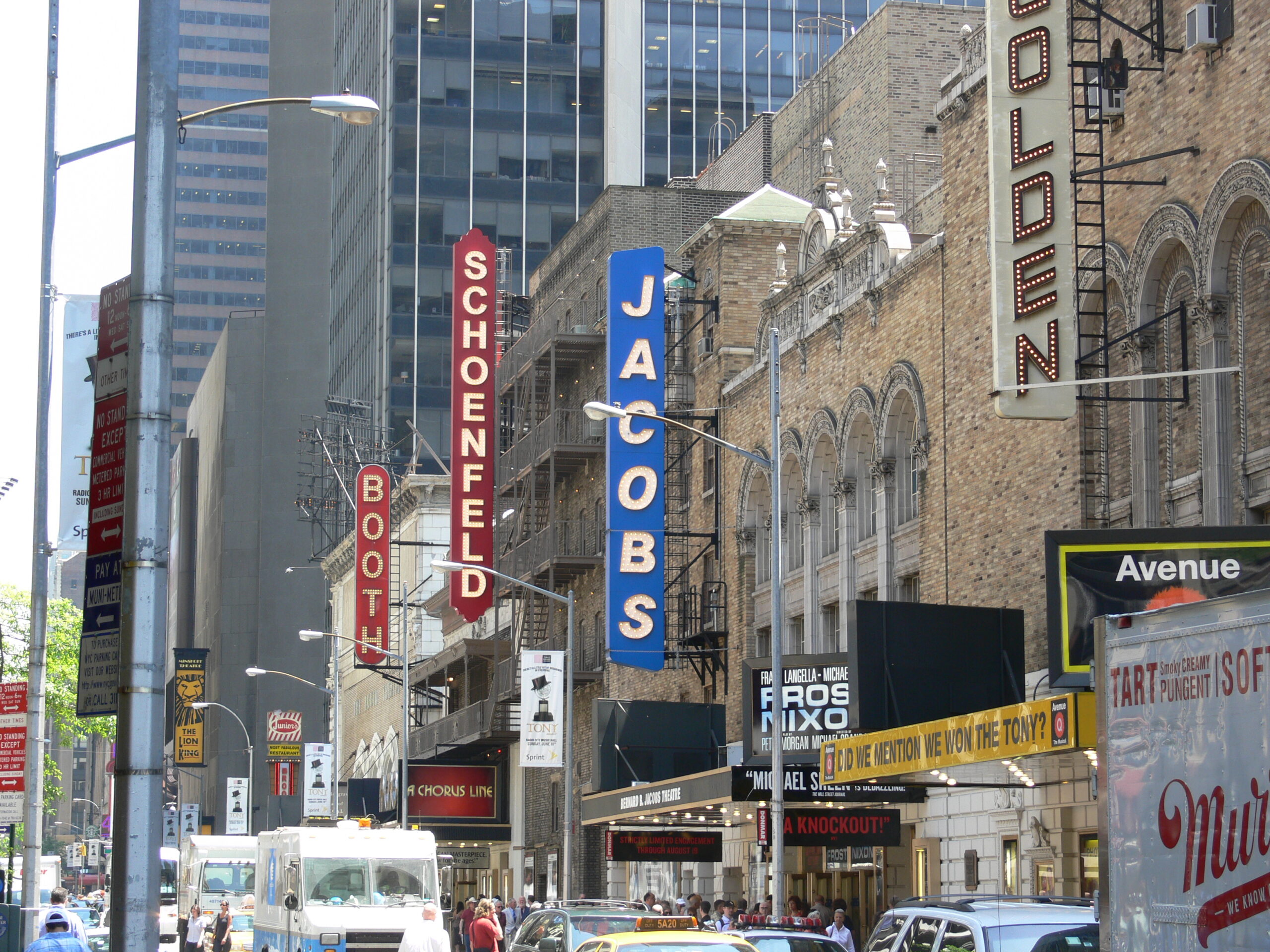
Broadway theaters along West 45th Street in Manhattan — a fitting Theater District setting for planning an afternoon matinee, lunch timing, seating, transportation, and what to do before or after the show.
What Is a Broadway Matinee?
A matinee is an afternoon performance. It is the same full production as the evening show — same running time, same staging, same cast in most cases. It is not a shortened version, a preview, or a lesser performance in any meaningful way. The word comes from the French for “morning,” but in contemporary usage it means any daytime theatrical performance, typically in the early-to-mid afternoon.
The audience mix can feel different: matinees tend to attract more families, tourists, out-of-town visitors, school groups during school seasons, older visitors who prefer daytime plans, and theater enthusiasts doing two shows in a day. The energy may be slightly less formal than a Saturday evening show, but the production itself is identical.
A Broadway matinee is not a discount version of the show. It is the same Broadway experience at a different time of day — and that different time can make the whole NYC itinerary dramatically easier if you plan around it correctly.
One important note: understudy and alternate cast performances can happen at any performance, matinee or evening. If a specific performer is a priority, check the official show or ticketing page for any noted cast changes before attending. Scheduled vacation weeks, understudies, and star-driven productions all post this information through official channels.
What Time Are Broadway Matinees?
Matinee times vary by show and are not universal across Broadway productions. Common afternoon windows fall around 1 PM, 2 PM, or 3 PM, but the exact time depends on the production, the day of the week, and the season. Wednesday, Saturday, and Sunday matinees are among the most common patterns, but not every show follows this schedule, and holiday weeks, limited runs, and special programming can shift things considerably.
Always verify the exact performance time on the official show page, theater box office, or the ticketing checkout before building the rest of the day around it. Do not assume a show follows the same pattern as another show you’ve seen.
For a 1 PM matinee: treat lunch as a late brunch. Eating a full meal at noon and trying to be in a seat by 12:45 PM requires a restaurant within a very short walk of the theater. Better to eat earlier or eat after.
For a 2 PM matinee: a 12 PM reservation near the theater can work cleanly. Aim to be out of the restaurant by 1:15 PM and at the theater no later than 1:30–1:45 PM.
For a 3 PM matinee: the most comfortable matinee window — plenty of time for a proper lunch. Dinner after the show may shift to 7:30 or 8 PM depending on running time.
Arrive at the theater at least 30 minutes before curtain — earlier if picking up will-call tickets, using the restroom (important for families), verifying accessibility details, or coming from a restaurant that requires walking time. Broadway theaters lock latecomers out until an appropriate break in the show, and that starts a frustrating evening even at a matinee.
Broadway Matinee vs Evening Show: Which Should You Choose?
- Traveling with kids or older visitors
- Want dinner after the show
- Avoiding late-night transit
- Doing two shows in one day
- Have an evening concert or sports event
- Want Broadway to anchor the afternoon, not the night
- Winter — prefer daytime logistics and return
- Morning museums, afternoon show, evening dinner
- Classic dinner-and-a-show night out
- Working during the day
- Want the city-at-night theater feeling
- Date night energy is the point
- Want one show to anchor the whole evening
- Pre-show dinner is part of the plan
- Sightseeing takes the full day
The simple version: matinees are practical. Evening shows are atmospheric. The better choice depends on the kind of trip you are building — not on which one is inherently superior.
Who Should Choose a Broadway Matinee?
Easier bedtime, less late-night transit, more energy during the show, dinner afterward at a reasonable hour. Matinees are almost always the better choice for families unless the evening works for a specific logistical reason. See family-friendly NYC hotels for the full family planning picture.
A matinee fits naturally after a morning of sightseeing and before an evening dinner. It lets visitors experience Broadway without giving up either a museum morning or a dinner reservation — the matinee sits cleanly in the middle of a full NYC day.
A matinee + evening show is the classic Broadway two-show day. It’s exactly how dedicated theater visitors maximize a short NYC trip. More on this below.
Concert at MSG, Knicks or Rangers game, dinner reservation at a restaurant that doesn’t have early seating, a flight home — a matinee fits into a day that already has an evening anchor without forcing a schedule conflict.
Daytime transit, earlier dinner, and being back at the hotel before midnight are genuine quality-of-life improvements on a Broadway trip. Matinees remove the late-night logistics without sacrificing the show.
Matinee + early dinner + evening cocktails or a walk through the city is a genuinely excellent date-day format. The afternoon show creates a natural midpoint to the day. See romantic NYC hotels for the hotel side of the date planning.
Broadway Matinee Tickets: What to Know
Matinee tickets are regular Broadway tickets for afternoon performances — purchased the same way, through the same channels. There is no automatic matinee discount across Broadway. Some shows may have better availability or slightly different pricing patterns at certain matinees than at peak evening shows, but this is production-specific and not a reliable rule.
Family-friendly shows and popular weekend tourist productions can sell matinees just as strongly as evening shows. Holiday weeks are especially full. If you are seeing a long-running production with consistent availability, comparing matinee and evening options by date and seat section is a reasonable approach. If you are seeing a limited run, a star-driven production, or a Tony-nominated show in a short window, book early regardless of the time of day.
Check the official show page or ticketing checkout to compare current matinee and evening options by date, seat, and price. Same-day discount options through TKTS or other programs may be available for some performances, but availability varies and is not guaranteed for any specific show or day. See how to get last-minute Broadway tickets for same-day strategies.
For general Broadway show selection, see current Broadway shows and the best Broadway shows for first-time visitors guide.
Broadway Matinee Planning Timeline
The biggest matinee mistake is treating lunch like dinner — assuming you have a big cushion. You usually don’t. Eat earlier, eat nearby, or eat after the show. Rushing from a restaurant to a theater with 10 minutes to spare is the opposite of the relaxed afternoon a matinee is supposed to create.
Where to Eat Before a Broadway Matinee
Lunch is the main friction point of a matinee day. Unlike evening pre-show dining, where restaurants are set up for theater-crowd timing and standard curtain windows, lunch before a matinee requires more active management of timing and location. Weekend lunch crowds near Times Square and the Theater District are real — factor that into both the restaurant choice and the reservation time.
For 1 PM matinees — treat it as brunch
A full sit-down lunch before a 1 PM curtain only works if the restaurant is steps from the theater and service is fast. Better to eat a brunch-style meal at 10:30 or 11 AM near the hotel and walk to the theater comfortably. Alternatively, eat after the show.
For 2 PM matinees — reserve early, near the theater
A noon reservation at a restaurant within a genuine walk of the Theater District works well. The goal is to be leaving the restaurant by 1:10–1:15 PM at the latest. Hell’s Kitchen and the immediate Theater District area have good lunch options — see the restaurants near Broadway guide.
For 3 PM matinees — most flexible
You have the most room with a 3 PM curtain. A 12:30 or 1 PM lunch gives you two hours before you need to be in the theater. This is the most comfortable lunch window of any matinee format.
Eat after the show
For 1 PM and some 2 PM matinees, the simplest solution is eating after the show rather than before it. Matinees often end by 3:30–5:30 PM depending on running time — early enough for a proper dinner rather than a rushed pre-show meal. This is especially good for families with kids who eat slowly.
For the full pre-show dining framework, see the pre-show dining guide. For restaurant options near the Theater District, see restaurants near Broadway.
Broadway Matinees With Kids
Matinees are almost always the right choice for families. Kids are more alert in the afternoon than after a long day of sightseeing. Parents avoid late-night subway or taxi logistics with tired children. Dinner happens at a reasonable hour. The post-show energy is easier to manage than a 11 PM return.
Avoid overplanning the morning before a family matinee. A full museum + lunch + matinee schedule almost always goes wrong — the museum runs long, lunch is rushed, and everyone arrives at the theater stressed. Keep the morning light, eat early, and arrive with time for bathroom trips before curtain.
Bathroom logistics matter at a matinee with kids. Build in bathroom time before entering the theater — the lines form at intermission, and going during the show disrupts other audience members. Arrive early enough to handle this before the curtain rises.
Food and snack policies vary by theater. Verify the specific theater’s current policy before bringing outside food. For show selection by age and attention span, see best Broadway shows for first-time visitors and the current shows guide.
For hotel planning around a family Broadway trip, see family-friendly NYC hotels.
Can You Do Two Broadway Shows in One Day?
Yes — and a matinee plus an evening performance is the classic Broadway fan format for a heavy theater day. It works well when the shows are reasonably close together in the Theater District, the running times are realistic, and there is time between shows for a meal and a rest.
Keep the morning easy. Do not try to fit sightseeing, a full lunch, and a matinee into the first half of the day — something will suffer. Eat before the matinee (lightly), have a casual dinner between shows in the 4:30–6 PM window, and get to the evening show refreshed rather than exhausted. The shows themselves are the plan; everything else serves them.
Things to think through before planning a two-show day: Check both shows’ running times before booking the dinner slot between them. A 2:30 PM matinee running two hours and forty-five minutes ends at 5:15 PM. A 7 PM evening show means you have under two hours — enough for a quick meal, not a leisurely dinner. Mix genres if possible: a lighter musical in the afternoon and a drama in the evening tends to be more sustainable than two emotionally demanding shows back to back. Seat comfort matters when you’re spending five-plus hours in theaters on one day — consider whether orchestra legroom or balcony stairs become an issue over a long day.
For same-day ticket options on flexibility, see how to get last-minute Broadway tickets.
What to Wear to a Broadway Matinee
Matinees skew slightly more casual than evening performances — more families, tourists, and sightseeing-to-theater transitions in the audience. Polished casual is the safe default, but the most important thing is dressing for the whole day: walking, lunch, weather, theater seating, and whatever comes after the show.
Good matinee outfits work across multiple contexts — a comfortable restaurant, an older theater seat with limited legroom, and the walk back through the Theater District afterward. For families, comfort and practicality matter over fashion. For date matinees, dress up if the evening plans call for it. In winter, dress for the walk, not just the theater. In summer, plan for theater air conditioning alongside the outdoor heat.
For the full Broadway outfit guide — shoes, bags, seasons, and date-night looks — see what to wear to Broadway.
Broadway Matinee Seating Tips
Seating rules at matinees are the same as evening shows — the same sections, the same sightlines, the same pricing tiers. A few practical considerations that specifically affect matinee visitors:
Families and bathroom logistics
Aisle-adjacent seats can reduce disruption if a child needs a bathroom trip during the show. This is more practical than orchestra center if the running time is long or if younger children are in the group.
Shorter children and sightlines
Mezzanine seats often give shorter viewers a slightly elevated angle that helps with sightlines over adults in front of them. This is worth considering when choosing between orchestra and mezzanine with younger kids.
Balcony stairs for older visitors
Broadway theaters vary significantly in how many stairs are required to reach balcony sections. Verify the theater’s configuration directly if stairs or mobility are a concern — theater guides are at broadway theaters.
Don’t buy by price alone
The cheapest matinee seat in the house may have a significantly limited sightline. Use the Broadway seating guide to understand how each section sits before booking by price alone.
What to Do After a Broadway Matinee
A matinee gives visitors a rare NYC advantage: the show ends before the evening is over. That leaves genuine options — not a late-night scramble, but a full remaining afternoon and evening to use however the trip calls for.
A matinee ending at 4:30–5 PM puts you perfectly for a 5:30–6:30 PM dinner — early by NYC standards, but entirely realistic and often easier to get reservations. See restaurants near Broadway.
The classic two-show day. A casual dinner between shows and an evening performance at a different Broadway house. See the two-show day section above for timing guidance.
A matinee pairs well with a Knicks, Rangers, Liberty, Nets, or concert evening — especially if both venues are in Midtown. See where to stay for sports and where to stay for concerts.
An afternoon show ending before the evening rush gives you access to Bryant Park, Fifth Avenue, the High Line, or a walk through the neighborhood before the city gets crowded. See the Theater District guide.
Return to the hotel before the evening plans. Change clothes, rest, regroup. A matinee gives you time to reset before a dinner reservation or evening event that would otherwise require you to arrive straight from the theater.
If the morning was a matinee and the rest of the day is open, afternoon museum visits, gallery walks, or sightseeing become genuinely possible without feeling rushed.
Common Broadway Matinee Mistakes
A matinee is supposed to create breathing room in the day. If the morning is packed, lunch is rushed, and you arrive at the theater sweating with five minutes to spare, you have missed the entire advantage. Plan the whole afternoon, not just the ticket.
- Assuming all matinees start at the same time. Verify the exact time on the official show page before building the day around a time you assumed rather than confirmed.
- Eating lunch too late. The most common matinee mistake. A noon reservation for a 1 PM show, or a 1 PM reservation for a 2 PM show, leaves almost no margin for slow service, a walk, and a bathroom trip before curtain.
- Arriving at the theater too close to curtain. Broadway theaters begin closing doors five to ten minutes before curtain. Latecomers may be held until an appropriate break. Arrive 30 minutes early — more with kids or accessibility needs.
- Overplanning the morning. A full museum visit + lunch + matinee is almost always too ambitious. One or two works. Three is usually too many for a comfortable matinee afternoon.
- Assuming matinees are always cheaper. They are not automatically discounted. Compare by show, date, and seat section rather than assuming the afternoon performance will cost less.
- Ignoring running time when planning a two-show day. Always check both shows’ running times before booking the dinner slot between them. A long matinee plus a late start evening show can work; a long matinee plus an early evening curtain leaves almost no time for food.
- Trying to fit a museum, shopping, lunch, and a matinee into one morning. Choose one or two things before the show. Everything else happens after.
- Not accounting for weekend subway changes. NYC weekend subway service can differ significantly from weekday patterns. Check the MTA schedule before planning the transit route on a Saturday or Sunday matinee day. See how to get to a Broadway show.
Best Broadway Matinee Day Plans
Light morning activity → early lunch near theater → matinee → easy dinner → hotel reset. Do not overload the morning. Kids arrive alert; parents arrive calm.
Museum or Central Park in the morning → lunch → matinee → Bryant Park or Times Square → dinner → evening walk or drink. The classic first-time NYC theater day.
Light morning → lunch → matinee → fast casual dinner between shows → evening show → late snack. Theater is the whole day — everything else is service.
Brunch → matinee → early dinner at a nice restaurant → cocktails or evening walk. Relaxed, intentional, not rushed at any point. A strong date-day format.
Indoor brunch or lunch near theater → matinee → hotel reset → dinner → done. Avoid scheduling outdoor activities before a matinee on a rain day.
Warmth of indoor lunch → matinee → early dinner before the night gets cold → hotel return without a midnight cab line. Matinees are especially good in January and February.
Frequently Asked Questions
A matinee is an afternoon performance of a Broadway show. It is the same full production as the evening — same running time, same staging — at a different time of day. The audience mix may feel slightly more casual and family-oriented, but the show itself is identical.
Matinee times vary by production and are not universal. Common windows are around 1 PM, 2 PM, or 3 PM, but always verify the exact time on the official show page or ticketing checkout before building the rest of the day around it. Never assume.
Wednesday, Saturday, and Sunday matinees are among the most common patterns, but schedules vary significantly by production. Holiday weeks, limited runs, and seasonal programming can change the regular schedule. Check the official show page for current performance dates.
Not automatically. There is no universal matinee discount on Broadway. Some shows may have more availability at certain matinees, which can affect pricing, but comparing matinee and evening options by date and seat section is more reliable than assuming the afternoon show costs less.
Yes — matinees are usually the best Broadway choice for families. Kids are more alert in the afternoon, parents avoid late-night logistics, dinner happens at a reasonable hour, and the return to the hotel is earlier and easier. See family-friendly NYC hotels for the full family planning picture.
Yes. It is the same full production — same running time, same staging, usually same cast. Scheduled understudies and vacation substitutes happen at both matinee and evening performances; check the official show page if a specific performer is a priority.
Polished casual is the safe default. Matinees are slightly more relaxed than evening shows, but dress for the whole day — walking, lunch, theater seating, weather, and whatever comes after. Comfortable shoes matter more than at any other part of the day. See the full guide at what to wear to Broadway.
At least 30 minutes before curtain. More if you’re picking up will-call tickets, have accessibility needs, are traveling with kids who need bathroom time, or are coming from a restaurant that requires a walk. Broadway theaters do not hold latecomers — once the curtain goes up, you wait until an appropriate break.
It depends on the curtain time. For 1 PM shows, eating after the show is often the cleanest option — brunch before if you prefer. For 2 PM shows, a noon reservation near the theater works with good timing. For 3 PM shows, a proper lunch is easy. See the pre-show dining guide for the detailed timing logic.
Yes — it’s a classic Broadway fan move and entirely doable. Check both running times before booking, leave time for a meal between shows, and keep the morning light so you have energy for both performances. See the two-show day section above for a detailed template.
Slightly — the audience mix skews more toward families, tourists, and daytime visitors. But the production is the same, and polished casual is still the right baseline. You won’t be out of place if you’re dressed nicely, and you won’t be judged if you’re dressed comfortably.
Popular shows on Saturday and Sunday matinees can be very full, especially during holiday weeks and tourist season. Midweek Wednesday matinees are sometimes less crowded, but it varies by production. Popular family shows fill Saturday matinees early — book in advance for those.
Dinner, a walk, Bryant Park, a hotel reset, a second show, a Knicks or Rangers game, a concert, or simply letting the rest of the evening unfold without a plan. A matinee gives you the city back before the night starts — that’s the whole advantage.
Better for logistics, flexibility, families, and visitors with evening plans. Evening shows are better for classic date-night atmosphere and the city-at-night theater feeling. The better choice depends entirely on what kind of day you’re building around the show.
A Matinee Works Best When You Plan the Whole Afternoon
A Broadway matinee can be one of the smartest ways to see a show in New York. It gives families an easier schedule, tourists more flexibility, theater fans a path to a two-show day, and visitors a chance to enjoy Broadway without ending the night exhausted. The key is planning the whole afternoon: lunch, arrival, seats, outfit, transportation, and what comes next. Do that well, and a matinee can feel less like a compromise and more like the best version of the day.
For Broadway planning: Broadway hub · current shows · theater guides · what to wear. For the night-out layer: restaurants near Broadway · pre-show dining · getting there.
More Broadway Planning Guides
From choosing the right show and timing your lunch to family planning, two-show day logistics, and full Theater District support — everything that makes a Broadway matinee day run smoothly.
Broadway Shows Guide
Current productions and show-fit guides by visitor type — the starting point for choosing what to see at your matinee.
Browse Shows →Broadway Resources Hub
Ticket timing, seating, rush and lottery, and everything that shapes a smart Broadway trip — matinee or evening.
All Resources →First-Time Broadway Visitor Guide
What to expect, how seats work, and how to plan a first Broadway night — matinees are often the best first-Broadway format.
Start Here →