

How to Get to Terminal 5
Subway, rideshare, and parking options — and how to pick the right one for the kind of night you’re planning.
Terminal 5 sits at 610 West 56th Street, between 11th and 12th Avenues — deep in Hell’s Kitchen, close to the Hudson, and further from any obvious transit hub than most concert venues in Manhattan. Getting there is not complicated, but it is not automatic either. The venue’s location means your arrival plan actually matters: the right choice depends on where you’re coming from, whether you’re doing dinner first, and how you want the end of the night to go.
This guide lays out the realistic options — subway, rideshare, bus, and car — compares the tradeoffs honestly, and helps you figure out the right move for the kind of night you’re building. Getting it right before you leave is easier than sorting it out on the street at midnight.
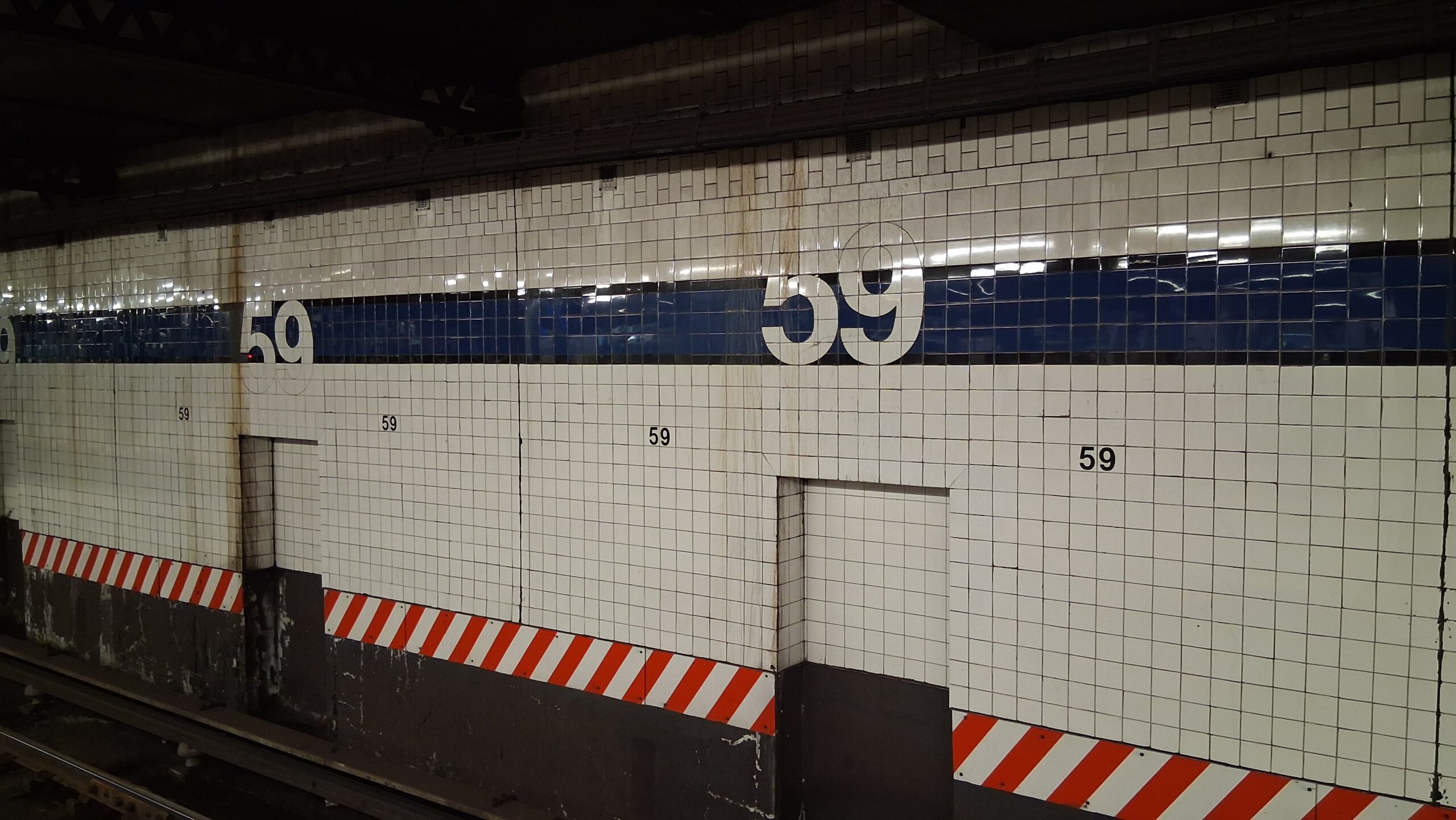
59th Street–Columbus Circle station, one of the key transit anchors readers should think about when planning the smartest way to get to Terminal 5.
Where Terminal 5 Actually Is — and Why It Matters
Terminal 5 is not in the middle of anything. It sits west of 11th Avenue on 56th Street, about as far west as you can go in Midtown before you hit the highway and the Hudson River. There are no major subway lines running directly below it. The closest stations require a walk of ten to fifteen minutes depending on the route you take.
The distance from the nearest subway is part of what makes Terminal 5 feel like a different kind of New York concert experience. It is not a neighborhood venue where everything is walking distance, and it is not an arena with a dedicated transit setup. It is a 3,000-capacity room at the far west edge of Hell’s Kitchen, and the best arrival strategies account for that reality rather than assuming the city’s transit grid covers the last mile for you.
The walk from Columbus Circle is real — about 12 to 15 minutes heading west on 57th or 56th Street — but it is an easy, flat walk on a well-lit block. Most people who’ve been to Terminal 5 more than once know this walk. First-timers often underestimate it. If you’re coming from somewhere else in the city, a rideshare that drops you at the door is the most frictionless option. If transit is the plan, Columbus Circle is the anchor.
At a Glance — Picking Your Approach
The right choice depends on what matters most to you tonight. Here is the short version before the full breakdown.
No walking, no navigation, dropped at the entrance. Worth it for first-timers and bad-weather nights.
The most reliable subway anchor for Terminal 5. Walk west on 57th Street to 11th Avenue, then one block south.
Most pre-show restaurants in the area are a short walk to Terminal 5. Build the dinner into the arrival plan.
If you’re staying in Hell’s Kitchen or the 50s on the West Side, the simplest move is walking.
Post-show rideshare surge is real at Terminal 5. Know your route before doors close or budget for the wait.
Street parking near the venue is difficult. Garages nearby exist but add cost and complexity. Transit or rideshare wins for most shows.
Getting There by Subway
The subway gets you close but not to the door. That gap — roughly a 12 to 15 minute walk from the nearest station — is the main thing to understand before you decide subway is your plan. It is a fine walk. It just requires knowing it exists before you leave the house.
59th Street–Columbus Circle: the main subway anchor
The A, B, C, D, and 1 trains all stop at 59th Street–Columbus Circle, and this is the most practical subway option for most riders heading to Terminal 5. From the station, head west on 57th or 58th Street toward 11th Avenue — the walk takes about 12 to 15 minutes at a normal pace, flat the entire way. Columbus Circle has elevator access, which also makes it the most accessible subway option for the approach.
50th Street on the C/E: a shorter walk from a less obvious angle
The C and E trains stop at 50th Street on 8th Avenue. From there, the walk west along 50th or 51st Street to 11th Avenue, then north a few blocks to 56th, is a comparable distance to coming from Columbus Circle and takes roughly the same time. If you’re coming from downtown or the West Village on the C or E, 50th Street may actually be the cleaner approach — you avoid the Columbus Circle station congestion and arrive from a slightly different angle. Neither is meaningfully better; it depends on your starting point.
Using a bus to bridge the gap
If the walk from the subway feels like too much, the M11 runs along 11th Avenue and stops very close to the venue — the M57 runs along 57th Street. Either can bridge the last portion of the trip from a subway station, though on concert nights when timing matters, walking is usually faster and more predictable than waiting for a bus. The bus makes more sense as a return option if you’re tired and not in a hurry.
Subway is reliable and affordable, and Columbus Circle is well-served by multiple lines. The honest trade is that you’re adding a 12–15 minute walk each direction. That is fine on a pleasant evening and less pleasant in rain or cold. If transit is the plan, build the walk into your timing — add 20 minutes to however long you thought the trip would take, and you’ll arrive when you intend to.
Best Approach by Type of Night
The right transit strategy depends on what the rest of the evening looks like. Here is how to think through the most common scenarios.
Dinner first in Hell’s Kitchen
This is the cleanest version of a Terminal 5 night. Take the subway to Columbus Circle or 50th Street, walk to your restaurant on 9th or 10th Avenue, eat, and walk the remaining blocks to the venue. By the time dinner ends, you’re already in the neighborhood — the last stretch to Terminal 5 is a pleasant post-dinner walk rather than a transit connection. See the restaurants near Terminal 5 guide for options worth building the night around.
Straight-to-show arrival
If you’re coming directly to the show with no dinner stop, rideshare is the simplest door-to-door move, especially from downtown or Brooklyn. Subway to Columbus Circle works well from Midtown, the Upper West Side, or anywhere on the A/B/C/D/1 lines — just account for the walk. Leave enough time that the 15-minute walk does not become a problem if you underestimate it.
Staying nearby in Hell’s Kitchen or the West 50s
If your hotel is in Hell’s Kitchen or the surrounding blocks, the math is simple — walk. Skip transit entirely and treat the walk as part of the evening. See the hotels near Terminal 5 guide for options that make this the default plan. When you’re staying nearby, the post-show walk back is also far easier than hailing a car at midnight on 11th Avenue.
Coming from Brooklyn, Queens, or downtown
The A, C, or E train from downtown Brooklyn or lower Manhattan gets you to Columbus Circle or 50th Street, from which the walk to Terminal 5 is the same as for anyone else. Rideshare from Brooklyn is practical but can be expensive depending on distance and surge. For longer trips, subway plus the walk is usually the better value unless time or weather is a factor.
Group outing
Groups benefit from rideshare more than solo riders do — the per-person cost drops, you arrive together, and no one gets separated navigating a transfer. For groups of three or more, rideshare to the door and splitting the fare usually makes sense. Pre-arrange the return pickup before the show ends so you’re not scrambling for a car at the same time as the rest of the crowd.
First-time visitor to Terminal 5
If this is your first time, rideshare removes the one variable that trips people up — underestimating the walk from the subway. Take it to the door, enjoy the show, and next time you’ll know the walk well enough to make the transit decision with full information.
What to Know Before You Head Out
Plan the return trip before you leave home
The post-show return is where Terminal 5 nights go sideways for people who didn’t think it through. A few hundred people exiting at the same time on 11th Avenue, all reaching for their phones to call cars, pushes wait times up and prices higher. The cleanest moves: pre-book a return pickup for after the show, arrange to walk a few blocks east toward 9th or 10th Avenue before requesting a car, or take the subway home and accept the walk back to Columbus Circle.
Build extra time into the arrival plan
Whether you’re walking from Columbus Circle or getting dropped off nearby, do not cut it close. Midtown traffic on 11th Avenue can create rideshare delays on busy evenings. The walk from the subway is a real 12 to 15 minutes, not a theoretical five. Give yourself 20 to 30 minutes of buffer on the arrival side and the night starts on the right foot.
Check for MTA service changes before you go
Weekend subway service in New York changes frequently. Before heading out, check the MTA website or the official MTA app for service alerts on the lines you plan to use. A rerouted A or C train on a Saturday night can significantly change the timing and strategy of a Columbus Circle approach.
Age restrictions vary by show — verify in advance
Terminal 5’s age requirements are set per show rather than by a single house-wide policy. Some events are 18+, others are 16+, and others are all-ages. Check the specific event listing before you go — this is especially relevant if you’re bringing someone younger or if your group includes guests with different IDs. The venue is strict about ID for all patrons.
Parking rates, bus routes, and venue policies can change between events. Verify current details — including any parking validation offers — on Terminal 5’s official site at terminal5nyc.com before making parking or transit decisions based on specific rate claims. MTA schedules, subway service patterns, and bus routes are also subject to change.
Frequently Asked Questions
It depends on where you’re starting. From Midtown Manhattan or the Upper West Side, the A/B/C/D/1 to 59th Street–Columbus Circle followed by a 12–15 minute walk west is the most reliable option. From Brooklyn, downtown, or anywhere transit requires a longer trip, rideshare to the door is often the better call. For groups of three or more, rideshare almost always makes sense regardless of where you’re coming from.
The most useful stop is 59th Street–Columbus Circle, served by the A, B, C, D, and 1 trains. From there, walk west along 57th Street to 11th Avenue and then south one block to 56th — roughly 12 to 15 minutes. The C and E at 50th Street on 8th Avenue is also usable, with a similar walk west. There is no subway line that runs directly under or adjacent to Terminal 5’s block.
From Midtown, yes — Columbus Circle is a short subway ride from most of Midtown, and the walk from there is manageable. From downtown Manhattan, the transit trip is longer, which makes rideshare a more competitive option depending on time and budget. The venue is not difficult to reach; it just requires more planning than a venue sitting on top of a subway stop.
For most New York City residents, no. Street parking in the area is difficult on concert nights, and while garage options exist nearby, they add cost and the logistical step of working around a garage schedule. Driving makes more sense if you’re coming from New Jersey, Westchester, or Long Island and parking is part of a plan you’ve thought through in advance. Otherwise, subway or rideshare is cleaner for most people.
Rideshare is a good choice if you want a door-to-door option, if you’re coming from somewhere that makes the subway trip long or complicated, or if you’re traveling in a group. The arrival is easy. The post-show return is where it gets complicated — surge pricing and wait times go up when a full venue empties at once. Pre-book your return if rideshare is the plan, or budget extra time and money for the trip home.
Think about it before you go inside. Rideshare surge is real after big shows — having a plan before you leave the venue puts you ahead of the crowd. Walking a few blocks east to 9th or 10th Avenue to request a pickup works well and usually reduces wait time. If you came by subway, the walk back to Columbus Circle is straightforward and avoids the post-show car scramble entirely. The return is where most Terminal 5 nights get unnecessarily stressful, and it is entirely avoidable with a little advance thought.
Build the Full Terminal 5 Night
Getting there is only one part of the plan. The other pieces — where to eat, where to stay, how to approach the venue itself — are covered in the rest of the Terminal 5 cluster.
For restaurants near Terminal 5, Hell’s Kitchen is the right neighborhood. It has the widest range of pre-show options within walking distance of the venue — from a quick dinner before doors to a full sit-down meal if the show starts later. The Hell’s Kitchen neighborhood guide covers what the area is actually like and what makes it worth spending time in before and after a show.
If you’re considering staying nearby, the hotels near Terminal 5 guide covers the best-positioned options in Hell’s Kitchen and the surrounding West Side blocks — the ones that make the walk to the venue the obvious arrival plan. And if parking is what you’re working through, see the parking near Terminal 5 guide for the garage and lot options that actually make sense for a concert night.
For the venue itself — floor layout, sound zones, and where to stand — the Terminal 5 seating guide covers how the room works and where to position yourself for different types of shows.
Getting to Terminal 5 — The Short Version
Terminal 5 is reachable, but it is not automatic. The venue sits at the far west edge of Hell’s Kitchen, a real walk from the nearest subway stops and a legitimate consideration for anyone planning the logistics of the evening. Columbus Circle is the main transit anchor. Rideshare gets you to the door without navigation but comes with post-show surge. Driving is rarely worth it unless you’re coming from outside the city.
The most important thing is to treat the arrival — and the return — as part of the plan rather than an afterthought. Concerts at Terminal 5 are worth a little logistical forethought. The nights that go well are the ones where the transit plan was thought through before the show started, not improvised when the lights come up.
Build the Whole Far West Concert Night
Terminal 5 nights work best when the last mile is part of the plan. Use these guides to connect subway strategy, rideshare, parking, Hell’s Kitchen dinner, nearby hotels, the seating guide, and the post-show route home.
Terminal 5 Seating Guide
Use the venue guide for floor layout, levels, sightlines, where to stand, sound zones, and how the room works once you get inside.
Open Seating Guide Parking + RideshareParking Near Terminal 5
Driving is rarely the default move here, but this guide helps with garages, pricing, arrival timing, and the post-show car scramble.
Open Parking GuideTerminal 5 Essentials
Venue · Food · HotelsRestaurants Near Terminal 5
Build the night around Hell’s Kitchen dinner, quick bites, drinks, or a post-show fallback within walking range.
Hotels Near Terminal 5
Stay close enough that walking becomes the easy move before and after the show.
Parking Near Terminal 5
Garage planning, rideshare backups, street-parking reality, and when driving makes sense.
Terminal 5 Seating Guide
Floor, balcony, levels, sound, sightlines, standing-room strategy, and where to position yourself.
Hell’s Kitchen Guide
Understand the neighborhood, food scene, walking routes, and why Terminal 5 works best as a West Side night.
NYC Transportation Guide
Use the main transportation hub for subway, rideshare, parking, walking, and late-night return planning.
Choose the Right Arrival Plan
Subway · Rideshare · WalkUse Columbus Circle
The A/B/C/D/1 gets you close, then the real plan is the westbound 12–15 minute walk.
Door-to-Door Is Easy Inbound
Great for first-timers and groups, but post-show surge means the return needs a smarter pickup plan.
Dinner, Group, or Straight to Show
Pick the approach based on whether you are eating first, staying nearby, traveling with a group, or arriving cold.
Plan the Ride Home Early
The post-show exit is where Terminal 5 gets messy. Know your rideshare, walk, subway, or hotel route first.
At-a-Glance Choices
Fast comparison of subway, rideshare, walking, driving, dinner-first, and late-night return options.
Terminal 5 Questions
Subway stops, rideshare, driving, Midtown access, and what matters most for the return trip.
Broader Concert Planning
Venues · Night OutNYC Concert Venues Guide
Compare major NYC concert rooms by neighborhood, size, layout, transit, and night-out feel.
NYC Transportation Hub
Subway, walking, rideshare, parking, late-night returns, and getting around for NYC nights out.
Hell’s Kitchen
Turn Terminal 5 into a real neighborhood night with food, drinks, hotels, and a better sense of the West Side blocks.