

How to Get Home Late at Night in NYC After Shows, Concerts & Big Nights Out
Leaving a show, concert, game, dinner, or holiday event late at night is easier when you know your first move before the crowd hits the sidewalk. Subway, taxi, rideshare, walking, buses, commuter rail — each works best in different situations. This guide also answers the questions visitors ask most: is the NYC subway safe at night, does it run all night, and when is a taxi better than Uber or Lyft?
Getting home late in New York is usually manageable, but the worst time to make the decision is when 1,200 people have just walked out of the same theater, every rideshare app is surging, and the subway entrance you planned to use is across the street behind a crowd. The trick is not memorizing the whole transit system. It is knowing your first move after the event.
Late-night NYC transportation is not one answer. The subway may be best. A yellow cab may be best. Walking three blocks first may make every other option easier. Rideshare directly outside the venue is usually the most expensive and frustrating option available. This guide works through the specific situations — Broadway, Radio City, MSG, Barclays, stadiums, restaurants, families, tourists, suburban commuters — with practical guidance for each.
If you are deciding whether the NYC subway is safe at night, whether the subway runs all night, whether to take a taxi or Uber in NYC, or whether walking in Manhattan after a show makes sense, the answer depends on the exact route, hour, service conditions, crowd level, weather, and your group. The sections below turn those broad questions into event-night decisions you can actually use.
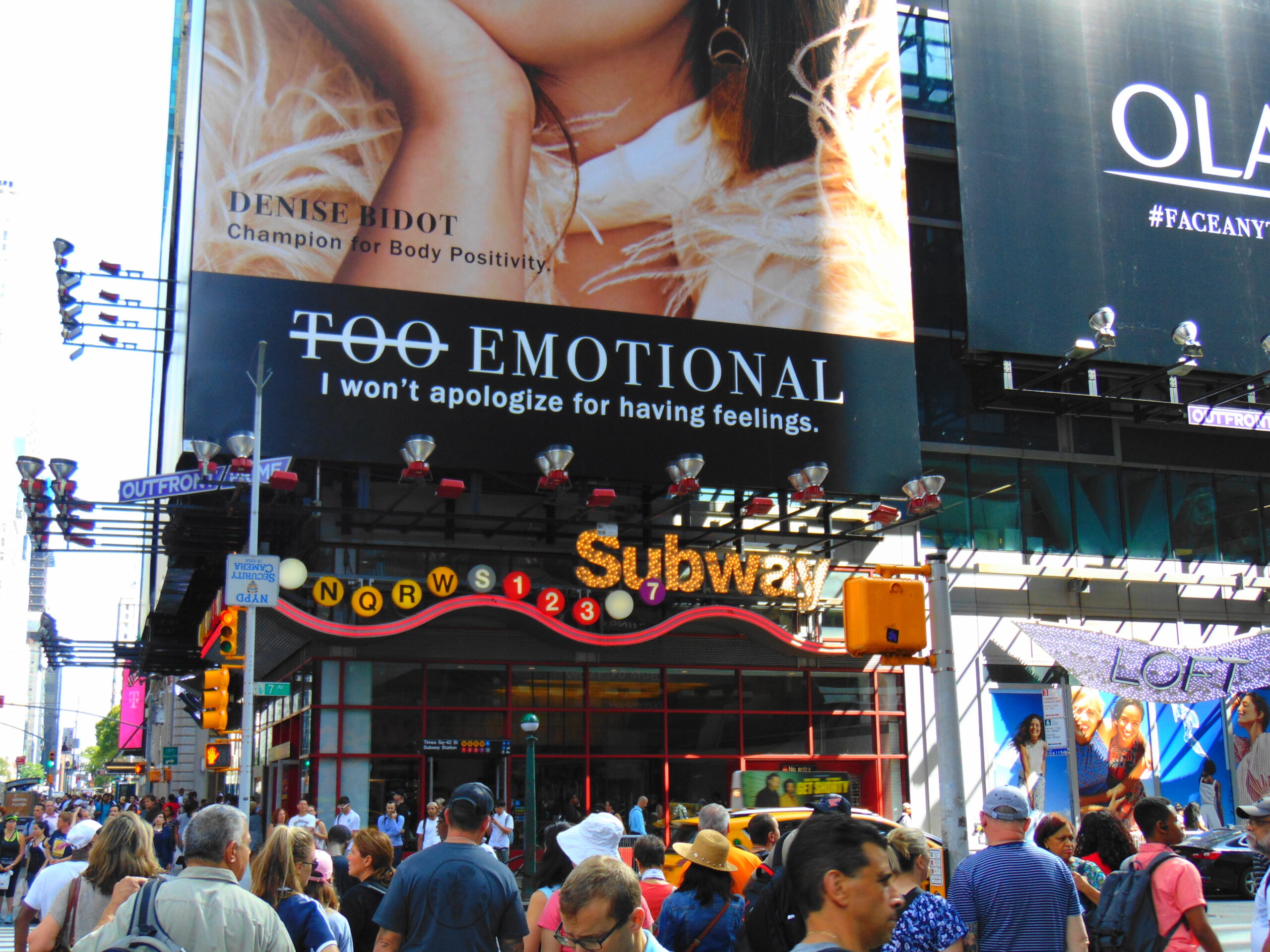
The Best First Move After a Late NYC Event
The most useful piece of advice for post-show transportation in NYC is also the most counterintuitive: do not solve it at the venue door. The moment everyone pours out, the sidewalk is congested, rideshare pins are inaccurate, taxis are being grabbed by the first people out, and subway entrance access may be bottlenecked. Standing in that crowd trying to decide is the hardest version of the problem.
The better move: have a rough plan before the show, then execute the first step cleanly. That first step is usually walking — either toward a specific subway entrance, a better pickup block, a hotel lobby, or a post-show restaurant where you can decompress for 15 minutes while the crowd clears. That walk of two to four blocks often makes every subsequent transportation option faster, cheaper, and less stressful.
The Stage & Street Rule
After a show or concert, don’t solve transportation at the venue door. Get out of the exit crush first — walk a few blocks, step into a bar or lobby, or move to a better corner — then choose the subway, taxi, rideshare, or walk that matches where you are actually going.
NYC at Night: Subway Safety, All-Night Service, Taxi vs Uber & Walking
These are the late-night transportation questions that matter most after a show or event. There is no single answer for every neighborhood or every hour, but there are reliable rules for making the decision.
Use the Route, Station and Hour
Many people use the subway after Broadway shows, concerts and games, especially from busy Manhattan and arena stations. Whether it is the right choice for you depends on the specific station, route, service status, hour and your comfort level. Stay aware, keep belongings secure, wait in populated areas, and choose a taxi or rideshare if the route feels impractical.
Yes — But Service Changes
NYC subway service operates 24 hours a day. Late-night headways can be longer, and planned maintenance may reroute trains, make express trains run local, skip stops, or require shuttle service. Check the MTA app or website on the day of your event rather than assuming the daytime route will work the same way after midnight.
Compare the Real Trip, Not the Brand
A street-hailed yellow taxi uses TLC-regulated metered pricing with applicable surcharges; app-based rideshare prices are quoted before booking and can vary with demand. After a show, compare the live rideshare quote with the convenience of hailing a cab, then factor in pickup location and traffic. Moving away from the venue-door crowd can make either option easier.
Often Useful as the First Move
In busy event districts, a short walk can be the simplest way to reach a calmer station entrance, taxi avenue, rideshare pickup block or nearby hotel. Use well-lit, active streets, stay with your group, and let weather, fatigue, footwear and the exact route determine whether walking is actually the smart choice.
Your Late-Night Options at a Glance
Is the NYC Subway Safe at Night — and Does It Run All Night?
The subway runs 24 hours, which is one of the things that makes New York City genuinely different from almost every other major city. After a Broadway show at 11pm, an MSG concert at 11:30pm, or a late dinner at midnight, the subway is often still the fastest and cheapest way home for most Manhattan routes.
Safety and comfort depend heavily on station, time, route, crowd level, service conditions, and context. A busy Midtown station emptying after a Broadway show feels completely different from a quieter station much later at night. Many visitors use the subway after events in Times Square, Rockefeller Center, the Penn Station area, and the Theater District, but the best choice is the one that fits your specific route and comfort level.
When the subway is the best choice
The subway works best when: the route is simple and direct with no late-night transfers required; you know which direction you need (uptown vs downtown is the most common mistake); the station is active and well-lit; and the train frequency is predictable. For Broadway exits, the 1/2/3 at Times Square, the A/C/E at 42nd Street, and the N/Q/R/W at Times Square-42nd Street are all active after shows. For Radio City, the B/D/F/M at 47th-50th Street Rockefeller Center is right there.
When a taxi or rideshare is smarter
Late-night transfers on unfamiliar lines, tired families with kids, routes requiring multiple train changes, and anyone who is uncomfortable with the specific route at that hour — these are all reasonable cases for a car. The subway not being the right choice for a specific situation doesn’t mean it’s not safe; it means the car option is more practical.
What to do before you tap in
Know your direction before entering the station. Uptown and downtown have separate entrances at many stations, and discovering you’re on the wrong side after tapping in at 11pm behind a crowd is a minor annoyance that adds unnecessary time to the end of a good night. Check the MTA app or the station signs before you swipe/tap. Check for service changes — the MTA runs planned work on many lines late nights and weekends. Always verify the day of your event.
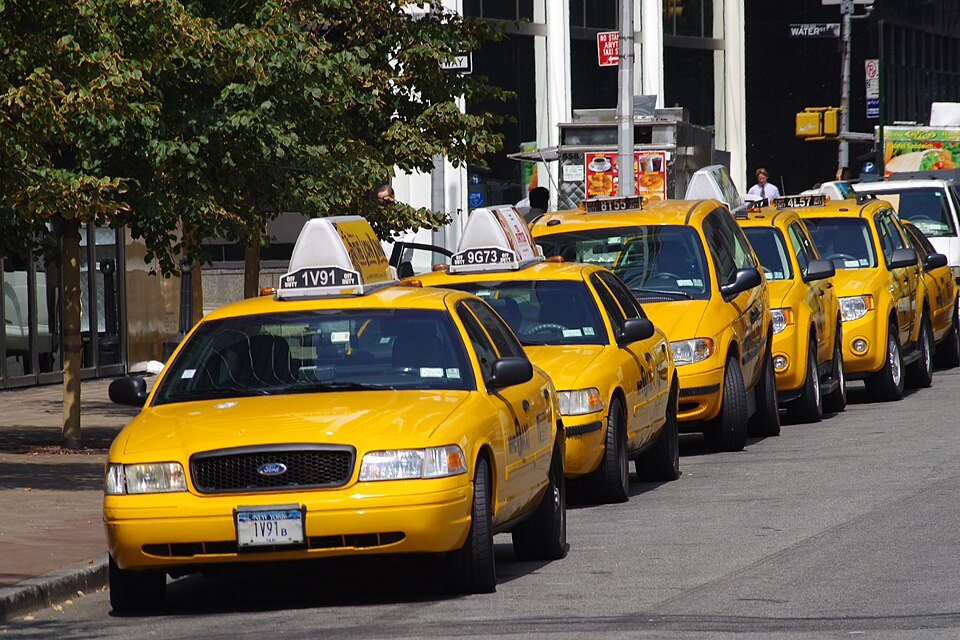
Taxi or Uber in NYC at Night? The Post-Show Decision
Rideshare is not always the premium option after a NYC show. After a Broadway curtain call, a Radio City concert, or an MSG event, every other person in the venue is often opening the same app simultaneously. That simultaneous demand is exactly when surge pricing spikes most aggressively — and when pickup pins become inaccurate because drivers can’t navigate through the exit crowd.
When to use a yellow taxi
Yellow taxis can be a strong move in Midtown after a show. You can street-hail one without a phone, and a standard street-hail trip uses TLC-regulated metered pricing rather than an app’s demand-based quote. Night, congestion, toll, and other applicable surcharges can still affect the final fare, and taxi e-hail apps may offer their own upfront prices. For Midtown hotel returns, moving away from the most congested venue block can make it easier to find a cab and begin the trip.
When to use Uber/Lyft
Rideshare is better for: outer borough destinations (Brooklyn, Queens, the Bronx) where yellow cabs are harder to find; specific residential addresses that benefit from door-to-door navigation; larger groups sharing one vehicle; and situations where you have a confirmed price in advance and can afford to wait for a pickup away from the venue crush. The key word is “away” — request rideshare from a cross street or side block two to four blocks from the venue, not from the doors.
How to avoid post-show surge pricing
Three approaches can help: walk away from the venue-door pickup crush before requesting; wait a little while over a post-show drink or coffee and check the price again; or take the subway partway and rideshare the last leg from a calmer location. None guarantees a lower fare, because app pricing can change quickly, but each can improve pickup logistics and gives you another price to compare.
Walking in NYC at Night After a Show
Walking is often part of the best late-night NYC transportation plan — even if the walk is only the two blocks you take before calling a car or entering a subway station. Times Square, the Theater District, Rockefeller Center, Bryant Park, and the Penn Station area are typically busy and well-lit around major show-exit times. Walking to a nearby hotel can be simpler than waiting for a rideshare in the post-show crowd when the route, weather, and your group make the walk comfortable.
When walking is smart
Walking works well for: nearby hotel returns on main avenues and well-lit streets; walking to a calmer subway entrance or pickup block; moving from the venue-door crush to somewhere you can breathe and decide; or extending the evening with a short walk through an active area before heading home. Midtown avenues such as 7th, 6th, 8th, and 5th are often busy after major shows, but always judge the exact route and conditions in front of you.
When walking is not worth it
Walking becomes less practical with: tired kids who have hit a wall; rain, ice, or real December cold in nice shoes; routes longer than 20 minutes at midnight; and any situation where the specific blocks feel uncomfortable. NYC is generally well-lit on main streets, but there’s no reason to push through fatigue or bad weather on principle. If the conditions call for a car, take one.
Getting Home After a Broadway Show
Broadway shows typically let out between 10:30pm and 11:00pm for evening performances, which puts you on the sidewalk at the same time as hundreds or thousands of other audience members from nearby theaters. Times Square is active but congested at this hour — it’s not dangerous, but it’s not calm either.
Walk It
Best move: walk
Hotels in Times Square, Midtown West, Bryant Park, and Theater District edges are often a 5–15 minute walk. That’s almost always faster than a rideshare at this hour. Know the direction before you leave the theater.
Take the Subway
Best move: subway
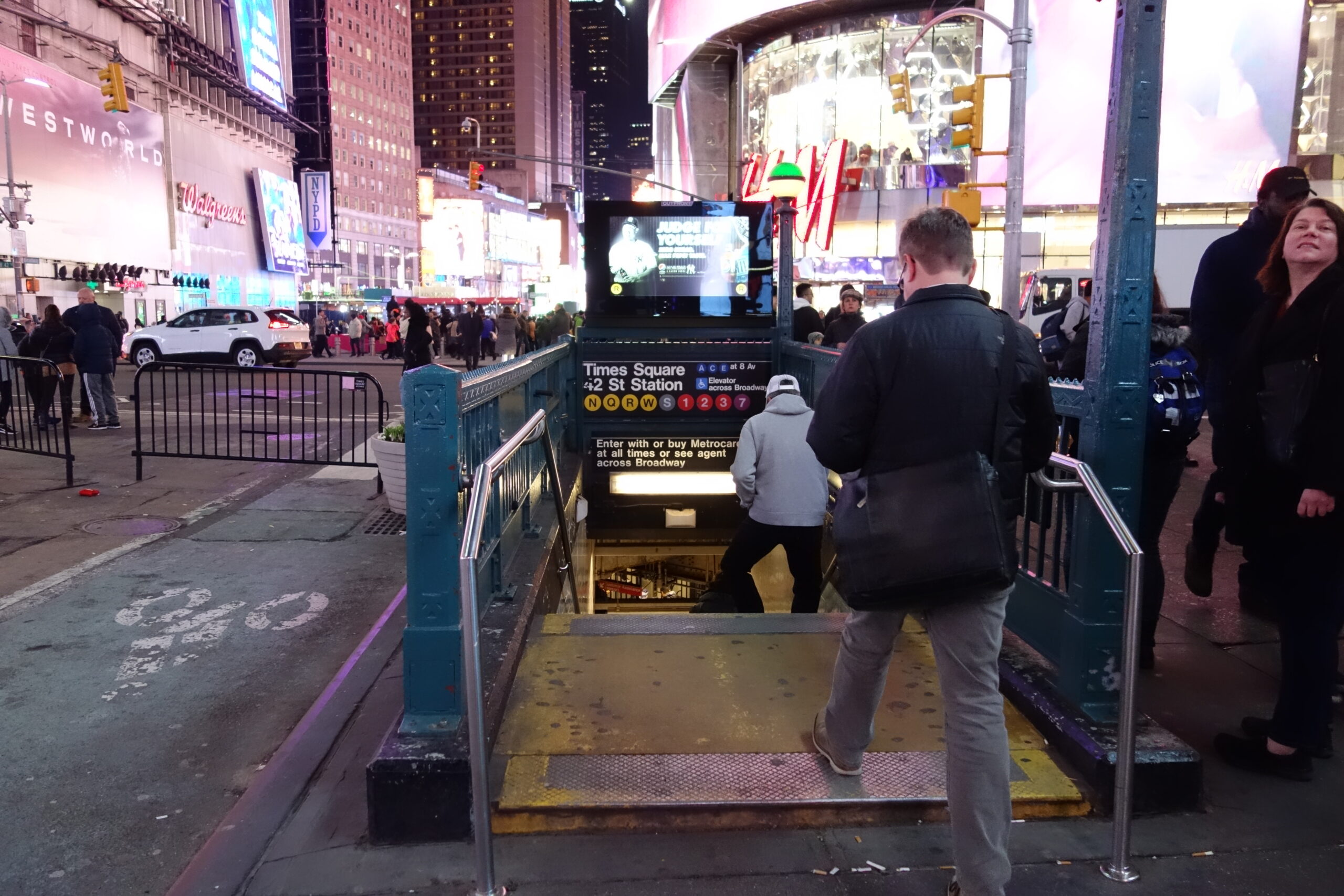
1/2/3 at Times Square-42nd St, A/C/E at 42nd St, N/Q/R/W at Times Square — all active after shows. Know your direction before entering. Check for service alerts the day of the show. The subway is usually faster than a car for Manhattan routes at this hour.
Subway or Rideshare
Best move: subway or rideshare 2–3 blocks away
Brooklyn, Queens, and Bronx-bound subway routes are accessible from Times Square. For rideshare, moving away from the theater-door crowd before requesting can make the pickup easier to coordinate; app pricing can still vary, so check the live quote once you reach the calmer block.
Know Your Train
Best move: plan the train before the show starts
LIRR from Penn Station, Metro-North from Grand Central, NJ Transit from Penn Station — all run late but on reduced schedules. Know the last practical train before curtain. If the walk from the theater to Penn Station takes 10–12 minutes, add that to the show’s end time and verify the next departure.
See also: how to get to a Broadway show · parking near Broadway · best post-show restaurants NYC · best late-night restaurants NYC
Getting Home After Concerts
Concert exits are not all the same. MSG is a Penn Station and midtown avenue problem. Radio City is a 6th Avenue / Rockefeller Center crowd problem. Barclays is a subway-meets-arena-exit problem. Forest Hills Stadium is a Queens residential neighborhood problem. Each venue requires a different first move.
Radio City Music Hall
Best moves: B/D/F/M subway · Midtown hotel walk · taxi on 6th or 7th Ave
The B/D/F/M at 47th–50th Street Rockefeller Center is directly accessible. If walking to a Midtown hotel, move north or south on 6th Avenue away from the show-exit crowd first. Taxis on 7th Avenue or 5th Avenue are usually more available than the blocks immediately around Radio City. Consider a post-show drink at a Rockefeller Center or nearby bar to let the crowd thin. See: how to get to Radio City · restaurants near Rockefeller Center
MSG / Penn Station
Best moves: subway from Penn Station · LIRR / NJ Transit · walk east/west for rideshare
MSG sits directly above Penn Station, one of the city’s biggest subway and commuter-rail hubs. The 1/2/3 and A/C/E serve 34 St–Penn Station; the B/D/F/M and N/Q/R/W serve nearby 34 St–Herald Sq, a short walk east. For commuter rail, know your LIRR or NJ Transit departure before the encore. For rideshare, moving away from the blocks immediately around the arena can make pickup easier to coordinate. See: MSG guide
Barclays Center
Best moves: subway (2/3/4/5/B/D/N/Q/R) · LIRR at Atlantic Terminal · rideshare away from arena doors
Barclays Center has one of the strongest transit setups of any NYC arena — the 2/3/4/5/B/D/N/Q/R serve Atlantic Av–Barclays Ctr, with LIRR at Atlantic Terminal. For rideshare, walking away from the arena-exit crowd before requesting can simplify pickup. If you are returning to Manhattan, several direct subway options may work; check the live route and service status for your destination before heading to the platform. See: Barclays Center guide
Forest Hills Stadium
Best moves: LIRR from Forest Hills · E/F/M/R subway · rideshare from calmer block
Forest Hills is a Queens residential neighborhood, which means post-concert exits spill into relatively narrow streets. The LIRR Forest Hills station is close and gets you to Penn Station quickly. The E/F/M/R at 75th Avenue or Forest Hills-71st Avenue is the subway option. For rideshare, walk a block or two from the stadium exits to reduce pickup confusion. Know the train schedule before the show — late LIRR service runs on a reduced timetable. See: Forest Hills Stadium guide
Getting Home After Sports Games
Stadium and arena exits require more planning than theater exits. The crowd is often larger, the venues are sometimes further from central Manhattan, and the rideshare chaos outside a stadium after a major game can be extreme. The venues that have strong subway connections (MSG, Barclays) are fundamentally easier than the ones that require car/rail planning (MetLife, UBS Arena, Yankee Stadium for some visitors).
Yankee Stadium
The 4 train to 161 St–Yankee Stadium is a primary subway option, with D service also useful depending on your origin and current service pattern. After a late game, check live MTA service rather than assuming daytime frequencies or stopping patterns. Metro-North commuters can also use Yankees–E 153 St on the Hudson Line when the schedule fits. See: baseball in NYC guide
Citi Field
The 7 train to Mets–Willets Point is the main subway option. Post-game trains can be crowded and late-night service patterns can differ from earlier in the day, so check live MTA information before leaving the stadium. If you have flexibility, letting the first crowd wave clear can make the return calmer. The LIRR Port Washington Branch also serves Mets–Willets Point and may be useful depending on your destination. See: baseball in NYC guide
MetLife Stadium
MetLife is in New Jersey and has no direct NYC subway connection. Options can include NJ Transit Meadowlands rail service for selected events, event buses, rideshare, and driving/parking. Event-service patterns vary, so verify the NJ Transit plan for your specific date before you leave. If driving, build in time for the post-event lot and roadway exit. See: football in NYC guide
UBS Arena
UBS Arena at Belmont Park is served by a dedicated LIRR connection — the Elmont-UBS Arena station. This is usually the best option. Rideshare and parking are available but the LIRR home via Penn Station or Atlantic Terminal is often cleaner late at night than waiting for cars in a large parking lot. See: hockey in NYC guide
Families & Kids: Late-Night Returns
With kids, the best late-night transportation option is almost always the one with the fewest decisions after the event ends. Tired children after a Broadway show, Radio City Christmas Spectacular, or a sports game are not compatible with complicated transit changes, long waits in the cold, or confusing rideshare pickup situations.
The single most useful planning decision for families is hotel location. If you’re staying within a 10–15 minute walk of the venue, walking is often the easiest — no apps, no waiting, no subway stairs with a stroller. If you’re using the subway, know the elevator situation at your station in advance; not every NYC subway station has elevator access, and the MTA app and website provide current accessible-station and elevator/escalator status before the night.
For Radio City Christmas Spectacular and December Broadway matinees or evenings specifically: the post-show crowd in Midtown during December is significant. Families should plan for extra time on any exit route, and consider eating a quick post-show snack at a nearby restaurant rather than winging it in the cold. See: family-friendly NYC hotels · family-friendly restaurants NYC · Broadway with kids
Getting Back to Your Hotel Late at Night
Hotel location shapes the late-night return more than most visitors realize when they’re booking. A boutique SoHo hotel is excellent for a downtown restaurant weekend but adds a subway leg to every Broadway show return. A Times Square hotel is convenient after a show but can feel chaotic at midnight. Bryant Park and Midtown South hotels often hit the best balance — walkable from most Broadway theaters, calmer streets, easy subway access in multiple directions.
The general rule: if the hotel is within 15 minutes walking on main avenues, walk. If it’s one subway line with no transfer, subway. If it requires a transfer late at night, consider a taxi or rideshare for the sanity. See: where to stay for shows and events · where to stay for Broadway weekends · best boutique hotels NYC
Commuter Rail, PATH, Ferries & Suburban Returns
If your return home depends on commuter rail, the real question is not “Can I get home?” It is “What happens if I miss the train I planned around?” Late-night commuter service runs less frequently than peak service, and a missed 11:47pm train that was the last practical option creates a problem. The answer is to check schedules before dinner or showtime — not after the curtain falls.
LIRR from Penn Station
Long Island Rail Road operates from Penn Station and connects to destinations across Long Island. Late-night trains run but less frequently. After a Broadway show, the walk from the Theater District to Penn Station is roughly 10–15 minutes depending on the theater. Know your departure time before the show and leave enough buffer for that walk plus any post-show crowd. Atlantic Terminal in Brooklyn is a second LIRR hub for Barclays-area events.
Metro-North from Grand Central
Metro-North serves Westchester, Connecticut, and the Hudson Valley from Grand Central Terminal at 42nd Street and Park Avenue. Late-night service runs to most lines but on reduced schedules. Grand Central is accessible by subway from Times Square (S shuttle or 4/5/6 from the east side) and by walking from eastern Midtown. Verify the evening schedule before the show.
NJ Transit from Penn Station
New Jersey Transit rail and bus service operates from Penn Station for most NJ destinations. Late-night rail service runs, but frequency drops significantly after midnight. PATH trains run to Hoboken, Jersey City, and Newark — 24 hours, but again with reduced late-night frequency. For NJ Transit bus service, check schedules the day of your event as routes vary.
NYC Ferry
NYC Ferry serves waterfront neighborhoods across all five New York City boroughs. It does not operate an all-night system, and late-evening service depends on the route and day. If the ferry is part of your plan, verify the final useful departure before the show, not after. The NYC Ferry app and website have current schedules and service status.
What to Do If Your Plan Falls Apart
Late-night NYC transportation occasionally goes wrong. Service changes reroute trains. Rideshare surges to an unreasonable price. The last commuter train was missed by four minutes. The parking lot is gridlocked. The phone is at 6%. These situations are manageable if you have a fallback mentality rather than a fixed plan.
Service Disruption
Open the MTA app or check signage at the station. If a train is running local or skipping, find the nearest alternative. In Midtown, multiple subway lines usually run within a few blocks of each other. If one line is disrupted, the next avenue often has a different line.
Price Spike
Wait it out and check the app again after the first exit wave clears. Or take the subway partway and rideshare the last leg from a calmer neighborhood. A street-hailed yellow taxi is another option: standard trips use TLC-regulated metered pricing with applicable surcharges rather than an app-based demand quote.
Missed Commuter Rail
Check the next available option — there may be a later train, a different line, or a bus option. If not: rideshare or taxi directly home, or book a nearby hotel for the night. In Manhattan, budget hotels and chain hotels in Times Square and Penn Station area often have availability late at night.
Dead Phone
In Manhattan, yellow cabs can be hailed without a phone. Subway turnstiles accept credit and debit cards without OMNY app — tap any contactless card or bank card. Major transit hubs (Penn Station, Grand Central) have staff. Hotel lobbies can call a car. Always carry a physical card.
Common Late-Night NYC Transportation Mistakes
- Calling Uber at the venue doorThe pickup pin, crowd, traffic, and surge all work against you. Walk two to four blocks before requesting. The difference in wait time and price is often significant.
- Assuming the subway is either always unsafe or always bestIt depends on the route, station, time, and your comfort level. Both blanket attitudes are wrong. Evaluate the specific situation.
- Not knowing uptown vs downtown before entering the stationLate night is the wrong time to discover you entered on the wrong side. At many stations, correcting direction means exiting, finding another entrance, and re-entering — costing time and potentially another fare. Check direction before you tap in.
- Forgetting late-night service changesThe MTA runs significant track maintenance late nights and weekends. Your usual train may run local, skip stops, or be replaced by a bus. Always verify the day of the event.
- Standing in the thickest exit crowd while decidingMove first. The crowd thins within two to three blocks of most venues. Decide on transportation once you have space to think.
- Ignoring the last commuter trainSuburban returns need schedule awareness before the show starts, not after. The gap between the last practical train and the next one can be over an hour on many lines.
- Booking a hotel without thinking about the return tripA boutique hotel in SoHo looks great. A late subway ride from Times Square at 11:30pm with tired kids is a different calculation. Hotel location shapes the whole late-night exit.
- Assuming taxis are always cheaper than rideshareSometimes a metered yellow taxi is cheaper; sometimes the app quote is competitive or more convenient. Traffic, surcharges, demand, pickup location, and destination all matter. When both are practical, compare the actual options in front of you.
- Forgetting kids, weather, shoes, and fatigueA 15-minute walk at 4pm is not the same after a late show in the rain in dress shoes carrying a sleeping seven-year-old. Plan for the actual end-of-night conditions.
- Not having the hotel address readily availableScreenshot the hotel address and cross-street before the show. A dead phone plus a forgotten hotel name is an avoidable problem.
- Trusting old transit advice without verifyingService routes, frequencies, and late-night patterns change. Always check current MTA status the day of the event.
- Not using the wait-it-out optionA short pause after a show can let the first crowd wave clear and may improve rideshare pickup conditions or pricing. It also gives you time to recheck subway service and compare options instead of making the decision in the exit crush.
Frequently Asked Questions
Is the NYC subway safe late at night?
For most visitors leaving Broadway shows, concerts, or restaurants in Midtown between 10pm and midnight, the subway is a practical and commonly used option. Active Midtown stations at show-exit time feel different from quieter outer-borough stations at 2am. Use judgment based on your specific route, station, and comfort level. Stay in lit areas, near other passengers, and verify your direction before entering.
What is the best way to get home after a Broadway show?
For Manhattan hotel returns: walk if within 10–15 minutes, subway if the route is simple and direct, taxi if you want a car without app surge. For outer boroughs: subway is usually the best option — multiple lines access Times Square. For suburban returns: know your LIRR, Metro-North, or NJ Transit departure before the curtain. For rideshare: walk a few blocks from the theater before requesting to avoid the venue-door surge and pin problems.
Should I use Uber after a Broadway show?
It depends. If you request directly from the theater door when 1,000 people are doing the same, expect surge pricing and a messy pickup. If you walk two to four blocks to a side street or parallel avenue, or wait 15–20 minutes over a drink, rideshare becomes much more practical. For short Manhattan hotel returns, a yellow taxi or the subway is often more reliable at show time.
Do NYC subways run all night?
Yes. NYC subway service operates 24 hours a day, but late-night headways and stopping patterns vary by line, and planned maintenance can change service. Always check current MTA service information on the day of your event rather than assuming the daytime route will operate exactly the same way after midnight.
How do I get home after a concert at MSG?
MSG sits directly above Penn Station. The 1/2/3 and A/C/E serve 34 St–Penn Station, while B/D/F/M and N/Q/R/W serve nearby 34 St–Herald Sq. Penn Station also serves LIRR and NJ Transit. For commuter rail, know the useful departure before the concert; for rideshare, moving away from the immediate arena-exit crowd can simplify pickup. See the full MSG guide.
What should I do if rideshare prices surge after a show?
Three options: wait 15–20 minutes over a post-show drink or coffee while the surge drops; walk a few blocks from the venue before requesting (demand is lower away from venue doors); or take the subway partway and rideshare the last leg from a calmer neighborhood. A yellow taxi is also worth checking — meter rate, no surge algorithm.
Is it safe to walk in Times Square late at night?
Times Square is heavily trafficked and well-lit at night and for most visitors leaving shows it’s busy rather than uncomfortable. The main avenues — 7th, 8th, Broadway — are active after shows. The concern for most late-night walkers isn’t safety on main streets; it’s fatigue, cold weather, and shoes that were not designed for a 20-minute walk. Make the judgment based on your route, your group, and the conditions.
How do I get home from Barclays Center late at night?
Barclays Center has excellent transit access — the 2/3/4/5/B/D/N/Q/R serve Atlantic Av–Barclays Ctr, with LIRR at Atlantic Terminal. For rideshare, moving away from the arena-exit crowd can make pickup easier. For Manhattan hotels, several direct subway options may work; use the current route and service status for your destination. See the Barclays Center guide.
How do I get home to New Jersey after a late NYC event?
NJ Transit rail from Penn Station is the main option for most NJ destinations. PATH trains run 24 hours to Hoboken, Jersey City, and Newark, though with reduced late-night frequency. Check NJ Transit and PATH schedules the day of your event — the last practical train time may be earlier than you expect. If you miss a late train, rideshare or taxi directly to NJ is the fallback.
Should families use the subway late at night in NYC?
It depends on the route, the station, the kids’ ages, and the hour. For active Midtown stations after a Broadway show at 10:30–11pm, many families use the subway without problems. For later hours, unfamiliar routes, or complex transfers — a taxi or rideshare is often the right call. The bigger factor is usually stroller logistics and elevator access at your specific station. Check current MTA accessible-station and elevator/escalator status before the night if mobility needs are part of the equation.
Taxi or Uber in NYC at night — which is better?
Neither wins every trip. A street-hailed yellow taxi uses TLC-regulated metered pricing with applicable surcharges, while Uber and Lyft show an upfront app price that can change with demand. After a major show, compare the live app quote with the convenience of hailing a cab, and consider moving away from the venue-door crowd before requesting a pickup.
Is Manhattan safe at night after a show?
There is no single safety answer for all of Manhattan. Major entertainment areas such as the Theater District, Times Square, Rockefeller Center, and the Penn Station area are often busy around show-exit times, but conditions vary by block and hour. Use well-lit active routes, stay aware of your surroundings, keep your group together, and switch to a taxi or rideshare if the walk or transit route does not feel right for your situation.
Is walking in NYC at night a good way to get home after a show?
For a nearby Midtown hotel or as a short first step toward a calmer station or pickup block, walking can be very practical. It is not automatically the right choice for every route. Consider distance, lighting, weather, fatigue, footwear, who is in your group, and the specific streets you would use.
Secondary Keywords: is New York subway safe at night · does NYC subway run all night · does New York subway run all night · taxi or Uber NYC · Uber vs taxi NYC · taxi vs Uber NYC · is NYC safe at night · is New York safe at night · is Manhattan safe at night · is Times Square safe at night · walking in NYC at night · how to get home late at night in NYC
SEO Title: Getting Home in NYC at Night: Subway Safety, Taxi vs Uber & Show Exit Tips
Meta Description: Is the NYC subway safe at night? Does it run all night? Compare taxi vs Uber, walking, subway, commuter rail and post-show options for getting home after NYC events.
URL: https://stageandstreetnyc.com/night-out/transportation/how-to-get-home-late-night-nyc/
Excerpt: Getting home late in NYC is easier when you know the first move before the crowd hits the sidewalk. Compare subway safety, all-night service, taxi vs Uber, walking, commuter rail and post-show pickup strategy for Broadway, concerts, sports and nights out.
Quick Facts
Plan the Ride Home
After the Show
Venue Exit Guides
Hotels & Stay Planning
Save & Share
Plan the Full Late-Night Exit
Getting home late in NYC is easier when the rest of the night is planned too — the show, the venue, the hotel, the restaurant, the parking garage, the subway route, and where you want to land after the crowd clears.
How to Get to a Broadway Show
Subway, parking, timing, and arrival strategy — the before-show side of Broadway transportation.
Parking Near Broadway
When driving to a Broadway show makes sense — garages, rates, and best exit strategy by car.
How to Get to Radio City
Subway, walking, and arrival for Radio City Music Hall — and how to exit after a concert.
Parking Near Radio City
Garages near Rockefeller Center and Radio City when driving is the plan for the night.
Hotels Near Broadway
Walking-distance hotel options that make the late-night return from a Broadway show simple.
Hotels Near Times Square
When Times Square proximity matters most for the late-night return after a show or concert.
Hotels Near Radio City
Hotel options near Rockefeller Center and Radio City for concert nights with easy late-night returns.
Best Post-Show Restaurants NYC
Where to eat after a show — and why a post-show dinner often beats the exit crowd rush.
Best Late-Night Restaurants NYC
Kitchens still running after 10pm, midnight, and beyond — for when the night runs long.
Restaurants Near Broadway
Pre- and post-show dining near the Theater District — including late options after curtain.
Restaurants Near Radio City
Dinner before or after Radio City — timed to shows and late-kitchen options nearby.
Where to Stay for Shows & Events
The master guide for matching hotel location to Broadway, concerts, and NYC event nights.