
Sports in NYC:
Teams, Venues & Game Day Guide
New York has more major sports teams than any city in the country. Here’s how to navigate all of it — tickets, seats, transit, and everything around the game.
No city in the country comes close to New York for sports. On any given week from October through April, you can choose between NBA basketball at Madison Square Garden, NHL hockey at MSG or UBS Arena, and — if the Devils are your thing — a short train ride to Newark. Come spring and summer, the Yankees are in the Bronx and the Mets are in Queens, sometimes on the same night. Fall brings two NFL teams to MetLife Stadium across the Hudson. And in the summer of 2026, the entire sporting world arrives at that same stadium for the FIFA World Cup Final.
That’s the opportunity. The challenge is that attending a game in New York — any game — requires a bit more planning than pulling up to a suburban arena with easy parking. The subway is your best friend here. Knowing your venue matters. And knowing what’s around it, before and after, is what separates a great sports night from a logistical headache. This guide covers all of it.
Yankees in the Bronx, Mets in Queens. Two great ballparks, two very different neighborhoods, one city that takes baseball seriously.
Explore Baseball →The Knicks at MSG are one of the great live sports experiences in the city. The Nets in Brooklyn offer a different energy at Barclays Center.
Explore Basketball →Three area NHL teams — Rangers at MSG, Islanders at UBS Arena, Devils across the river in Newark. Hockey season in New York runs deep.
Explore Hockey →Giants and Jets both play at MetLife Stadium in New Jersey — and in July 2026, that same stadium hosts the FIFA World Cup Final.
Explore Football →When each sport is in season
On July 19, 2026, MetLife Stadium in East Rutherford hosts the FIFA World Cup Final — the most-watched single sporting event on earth. The stadium, already home to the Giants and Jets, will go by “New York New Jersey Stadium” for the tournament and host eight total matches including the Final. If you’re planning to be in New York this summer, this changes everything about the city’s energy from June through mid-July. Our MetLife Stadium guide covers transit, planning, and what the area looks like on a major match day.
Baseball in NYC
New York has two Major League Baseball teams and two genuinely great ballparks, and the choice between them says something about who you are as a fan. The Yankees are tradition, pinstripes, 27 World Series championships, and a stadium in the Bronx that opened in 2009 but carries the weight of a century of history. The Mets are Queens, Citi Field’s clean sightlines and surprisingly good food, and a fan base that has learned to find meaning in the chase as much as the championship. Neither is a bad night out. They’re just different cities within the same city.
The 4 train from Grand Central puts you at the stadium in about 25 minutes — one of the better transit connections to any ballpark in the country. The Main Level between the bases is the value sweet spot: close enough to feel the game, priced below the premium field-level sections. Arrive early enough to walk through the Great Hall and grab a seat before first pitch. The neighborhood around the stadium is stadium-focused — your best pre-game options are either inside the park or back in Midtown before you go.
The 7 train from Times Square runs directly to the stadium — about 30 minutes from Midtown, which makes it one of the most accessible ballparks in the league for Manhattan visitors. Citi Field’s design gives it good sightlines from a wide range of sections, and the concourse food options have improved significantly in recent years. Lower reserved sections behind the dugouts offer a noticeably better experience than the upper deck, and the price gap on the secondary market is often smaller than you’d expect.
Full baseball guide — Yankees, Mets, venues & planning →
Basketball in NYC
The Knicks at Madison Square Garden are one of the truly great live sports experiences in New York — not always because of the basketball, but because MSG on a charged night, with that crowd, in that building, is unlike most arenas anywhere. When the team is playing well, it becomes something else entirely. The Nets at Barclays Center in Brooklyn offer a different proposition: a newer, more comfortable arena, easier transit from multiple boroughs, and a fan base that skews younger and louder for big games. Both are worth experiencing at least once.
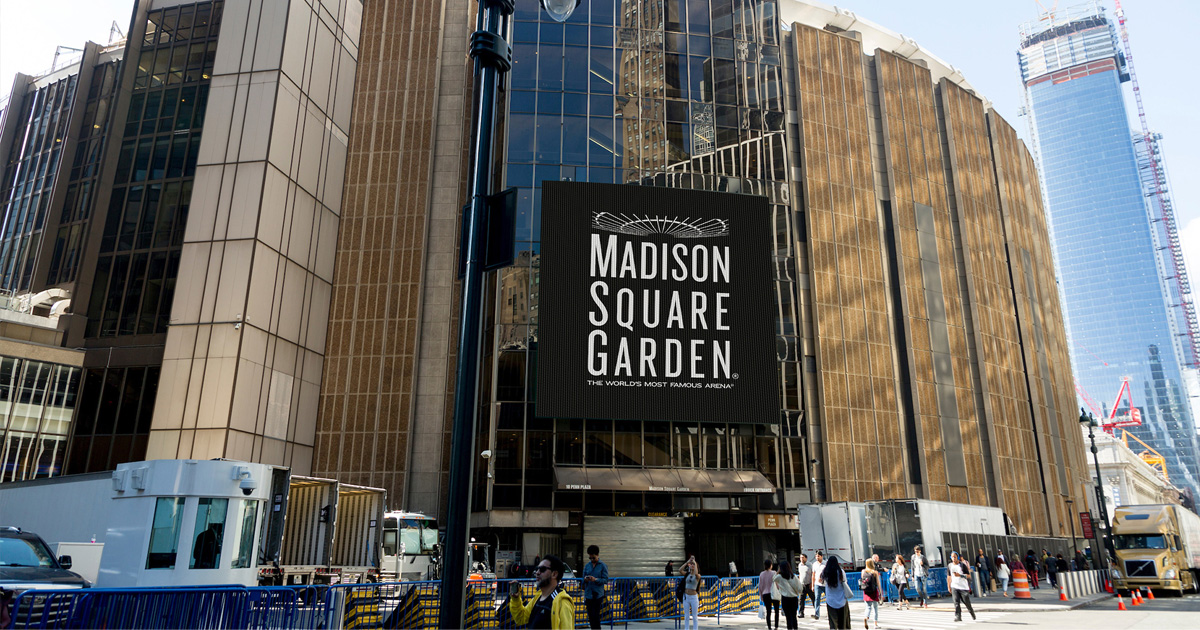
MSG sits directly above Penn Station, which makes it the most transit-accessible arena in the country — you can step off virtually any train and be inside in five minutes. For basketball, the lower bowl sideline seats offer the best combination of sightlines and proximity to the action. The upper bowl is steep but actually works well for seeing plays develop across the full court. One thing worth knowing: Knicks tickets are among the most expensive in the NBA on average. Book early for marquee matchups; prices climb fast.
Eleven subway lines serve the Atlantic Avenue–Barclays Center station, making it genuinely one of the easiest arenas to reach in the city from any direction. The arena bowl is relatively intimate for its capacity, and the lower bowl provides solid sightlines across most of its width. The Atlantic Avenue area around Barclays has a strong concentration of restaurants and bars within easy walking distance — better pre- and post-game options than you’ll find around most arenas.
Full basketball guide — Knicks, Nets, venues & planning →
Hockey in NYC
The New York metro area has three NHL franchises, which is more than almost any other market in the country, and each one occupies a distinct identity. The Rangers at Madison Square Garden are the original and still carry the weight of that — the Garden crowd for a Rangers playoff game is one of the loudest environments in the sport. The Islanders moved to the brand new UBS Arena at Belmont Park in Elmont in 2021, a state-of-the-art building with genuinely excellent sightlines and a fan base that finally has a real home again. And the Devils across the river at Prudential Center in Newark are perennially underrated as a night out — easy PATH train access from Manhattan, solid arena, and tickets that are often more reasonable than their in-city counterparts.
Hockey at MSG has a different energy than basketball in the same building — tighter, louder, more compressed. The lower bowl is excellent from almost any seat; the upper bowl is steep but keeps you close to the action in a way that works for hockey specifically. For a first-time Rangers game, lower bowl end sections often represent the best value — you see the full offensive zone twice and the pricing is more reasonable than center ice.
The Islanders’ new arena opened in 2021 and it’s a genuinely impressive building — designed specifically for hockey with sightlines that put the upper bowl closer to the ice than most arenas manage. Getting there requires the LIRR from Penn Station or Jamaica to Belmont Park, which adds a step compared to in-city venues but is manageable and straightforward. Plan for 30–40 minutes from Midtown. Worth the trip for a great hockey atmosphere in a building that actually feels built for the sport.
Prudential Center is one of the most overlooked sports nights in the metro area. The arena is modern, well-designed, and the hockey experience is solid throughout the bowl. The PATH train from 33rd Street or World Trade Center gets you to Newark Penn Station in under 20 minutes — a straightforward trip that most Manhattan visitors underestimate. Devils tickets are typically more available and more affordable than Rangers tickets for comparable games, which makes this a smart option for visitors who want NHL hockey without the MSG price point.
Full hockey guide — Rangers, Islanders, Devils & planning →
Football in NYC
The Giants and Jets share MetLife Stadium in East Rutherford, New Jersey — which means the NFL in New York technically isn’t in New York. It’s a detail that bothers some fans more than others, but the practical implication is clear: getting to MetLife requires more planning than getting to MSG or Barclays. The good news is that NJ Transit runs direct trains from Penn Station to the stadium on game days, and the experience inside the building is excellent — one of the better stadium environments in the NFL, and the only one that will host the FIFA World Cup Final in 2026.
The stadium is massive — 82,500 seats — and it’s designed to handle that scale. NJ Transit runs game-day trains directly from Penn Station, with the ride taking about 10–15 minutes to Meadowlands Station. Trains run frequently before and after games; buy your train ticket in advance to skip the post-game queue. For seating, the lower level between the 30-yard lines is where the game feels most alive. The upper deck, while high, actually provides clear sightlines across the full field — better for watching football than you might expect from that altitude. Tailgating in the lots is a real part of the MetLife experience if you’re driving; gates open about three hours before kickoff.
MetLife Stadium hosts eight FIFA World Cup matches including the Final on July 19, 2026. During the tournament it operates as “New York New Jersey Stadium.” Transit planning for World Cup matches differs from NFL game days — the Meadowlands Rail Line and a new $35 million busway from Secaucus Junction are the primary options. Our MetLife Stadium guide covers both NFL and World Cup logistics in full.
Full football guide — Giants, Jets, MetLife & World Cup 2026 →
Game Day Planning in NYC
The most common mistake people make planning a sports night in New York is treating it like going to a game anywhere else. It isn’t. The city’s density, transit system, and neighborhood variety mean that how you get there, when you arrive, and what you do around the event matters as much as the seat you’re sitting in. Get the planning right and an ordinary regular season game can feel like a real night out. Get it wrong and you spend two hours fighting traffic, eating bad concession food, and standing on a platform with 10,000 other people waiting for a train.
Every major NYC sports venue is accessible by public transit, and for most of them it’s dramatically faster and cheaper than driving. MSG and Barclays Center are both directly on major subway hubs. Yankee Stadium and Citi Field are subway-accessible. MetLife Stadium runs dedicated game-day trains from Penn Station. The only venue where driving makes real sense is if you’re coming from New Jersey for a Giants or Jets game — and even then, the trains are worth considering.
For baseball, arriving 30–45 minutes before first pitch gives you time to walk the concourse, find your section without stress, and avoid the lines that peak right before game time. For basketball and hockey at MSG, 30 minutes early is comfortable; for sold-out games or playoffs, give yourself 45. For MetLife, factor in the train ride from Penn Station and aim to be on a train at least 90 minutes before kickoff.
Concession food at most venues is expensive and mediocre. The exceptions are worth knowing: Citi Field has notably improved its food options in recent years and is genuinely worth exploring. Yankee Stadium has solid options in the Great Hall. For MSG events, the dining situation around Penn Station and the surrounding midtown blocks is excellent — hell’s Kitchen is a short walk west, with good pre-game options at every price point. For Barclays, the Atlantic Avenue neighborhood delivers better before-game dining than most arena areas.
For Knicks games especially, face value and secondary market prices diverge significantly. The same is true for Rangers playoff games and any Yankees–Red Sox matchup. For less premium games — a Tuesday night Mets game in June, a Nets game against a non-marquee opponent, a Devils or Islanders home game — you can often find strong seats at very reasonable prices on secondary platforms within a day or two of the game. Flexibility on which specific game you attend can save you a lot of money in New York.
The post-game crowd exits fast and converges on the same handful of nearby spots. Having a plan — even a loose one — helps. After a Knicks or Rangers game at MSG, the blocks toward Hell’s Kitchen (west on 34th, 36th, or 42nd) get you away from the Penn Station crush quickly. After a Mets game, Jackson Heights along Roosevelt Avenue is close and excellent for food. After a Yankees game, most fans head straight back to the subway — if you want a drink first, the blocks around 161st Street near the stadium have options, but the selection is limited.
Featured Sports Venue Guides
Each guide covers seating, transit, parking, neighborhood dining, and what to know before you arrive — the practical information that makes the difference between a smooth night and a frustrating one.
Make It a Full Night Out
A game in New York doesn’t have to start at first pitch or tip-off and end at the final buzzer. The city’s neighborhoods, bars, and restaurants are too good for that. The best sports nights here tend to involve a plan — dinner somewhere specific beforehand, a clear idea of where you’re going after, and enough familiarity with the transit to move through the city without stress.
Around Madison Square Garden, Hell’s Kitchen to the west and Murray Hill to the east both offer pre-game dining that beats anything inside the arena. Around Barclays, Atlantic Avenue and Flatbush Avenue have enough variety to make a proper evening of it. For Yankee Stadium, the play is usually to eat in the city before you go — the Bronx options around the stadium are improving but still limited compared to a neighborhood like the Upper East Side or Harlem, both of which are close to the 4 train.
For Citi Field, the overlooked move is Jackson Heights — one of the most underrated food neighborhoods in New York, right on the 7 train corridor on the way to the stadium. It rewards visitors who explore it before or after a Mets game more than almost any other stadium neighborhood in the city.
NYC Night Out Guide — neighborhoods, dining & planning →
NYC Venue Guide — all venues, seating & planning →
Start Planning Your Sports Night in NYC
Sports in New York City runs year-round, covers every major league, and spans venues from a 16,000-seat hockey arena in Newark to an 82,500-seat stadium in New Jersey hosting the World Cup Final. The city rewards people who plan ahead — right venue, right section, right transit route, right neighborhood for dinner. Use the sport guides and venue pages above to build the kind of game-day experience the city actually has to offer.
And if you’re going to be in New York this summer — the World Cup is here. Plan accordingly.